NYAFF 2026 Review: Last Night in Taipei
The cardinal rule of film being a “visual medium” is something you’d think people would understand in 2026. Go onto social media, though, and you’ll see users decrying a movie for “not having a plot” or “containing scenes that are filler,” among other extraneous complaints (don’t even get me started on how puritanical the arguments against sex scenes have become). Movies do not need to have anything other than visuals to convey a mood, and even then, I’d argue that mood doesn’t even need to be the end goal. A movie just… is.
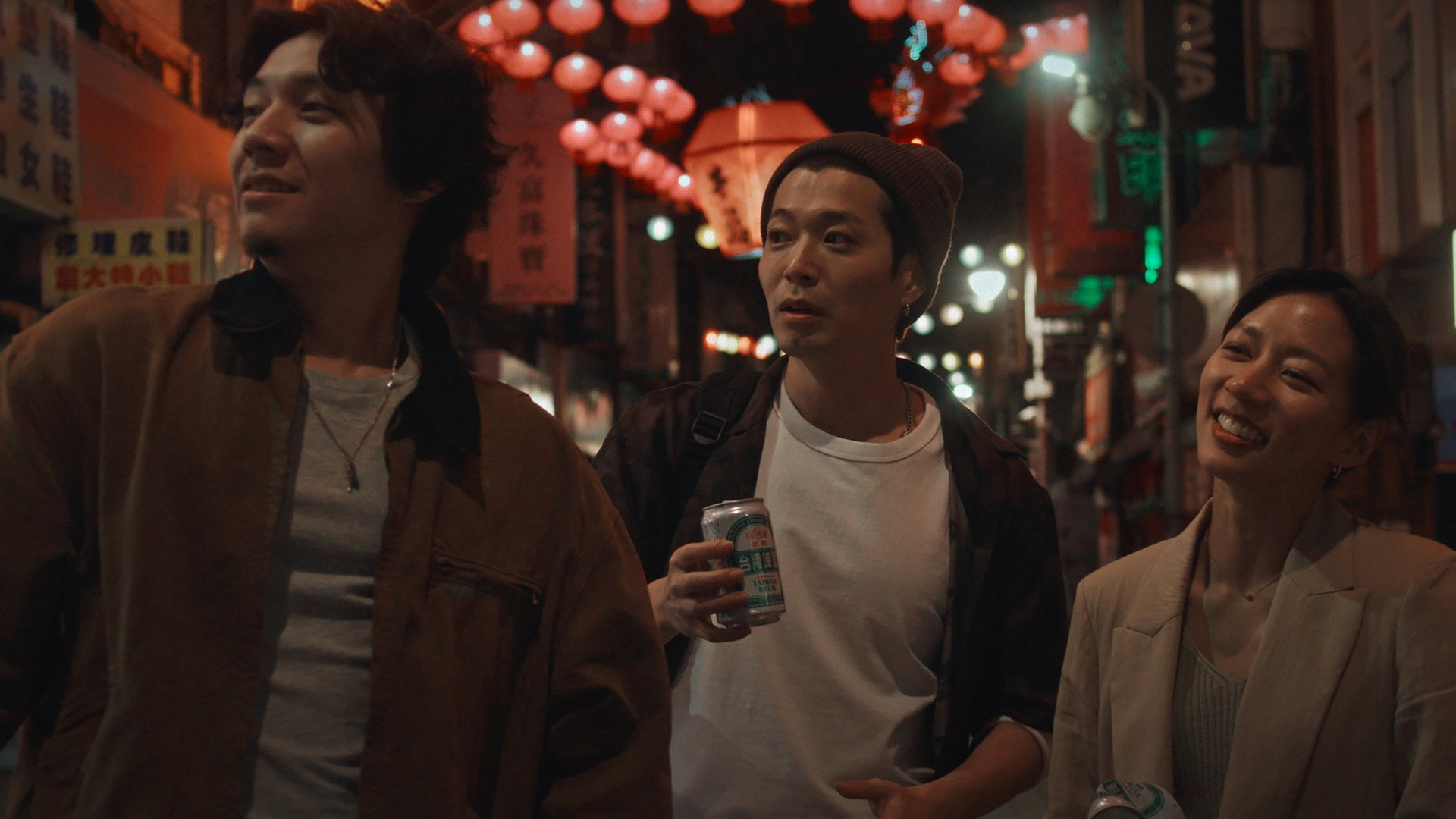
Maybe that previous paragraph is me preempting any naysayers, but Last Night in Taipei is very much a mood piece, or what some call “drifter” films. Over the course of 87 minutes, it follows a night out in the city for three friends who reunite after six years. They discuss their lives, reminiscence about the past, and attempt to drop wisdom on one another. There’s nothing you’d really call a plot. The movie is almost more a documentary than a constructed narrative.
I can’t say it is engaging at all moments, but then it reflects real-life very convincingly.
Last Night in Taipei
Director: Kuo Cheng-chui
Release Date: October 8, 2025 (Canada), July 19, 2026 (NYAFF)
Country: Taiwan, France
As the name of the film implies, Last Night in Taipei centers on a group of three friends who, finally reuniting after six years, will soon part ways once again after the sun rises. To make the most of what could be their last night together, they spend it drinking, recollecting their memories of the past, and discussing what became of their previous dream. All three hoped to become actors one day, and while Blanche (Chen Yuu) starred in a commercial, while Jake (Jeff Kuo) took some lessons, it seems Axin (Phil Hou) was nearly on the verge of homelessness a few months prior. He now works at a bar and is dating a woman named Mao Mao (Mao Chi-yun).
After roughly 10 minutes of watching, my first thought was that Last Night in Taipei bears a strong resemblance to Before Sunrise, the legendary Richard Linklater film starring Ethan Hawke and Julie Delpy. Even after 31 years, that movie still strikes a chord with audiences because of how realistic it feels. While the plot can be summed up in a sentence or two, it’s the emotions conveyed by its leads which sell you on the whole endeavor. You’re watching as two souls become entwined and forge a lifelong connection that they’ll take with them forever, even if they never see one another again.
I wouldn’t claim Last Night in Taipei is as effective as the films in the Before trilogy, but you need to have a certain mindset when approaching it. By watching the movie, you’re getting a snapshot of these individual’s lives that should speak to any shared experiences you may have had. For one, the very act of roaming around a city with your old friends and chatting about “the old days” should be familiar to anyone over 30. I don’t do it often, but I’ve had a few nights where I’ve done nothing but simply exist with friends while they go on about what they loved from the past.
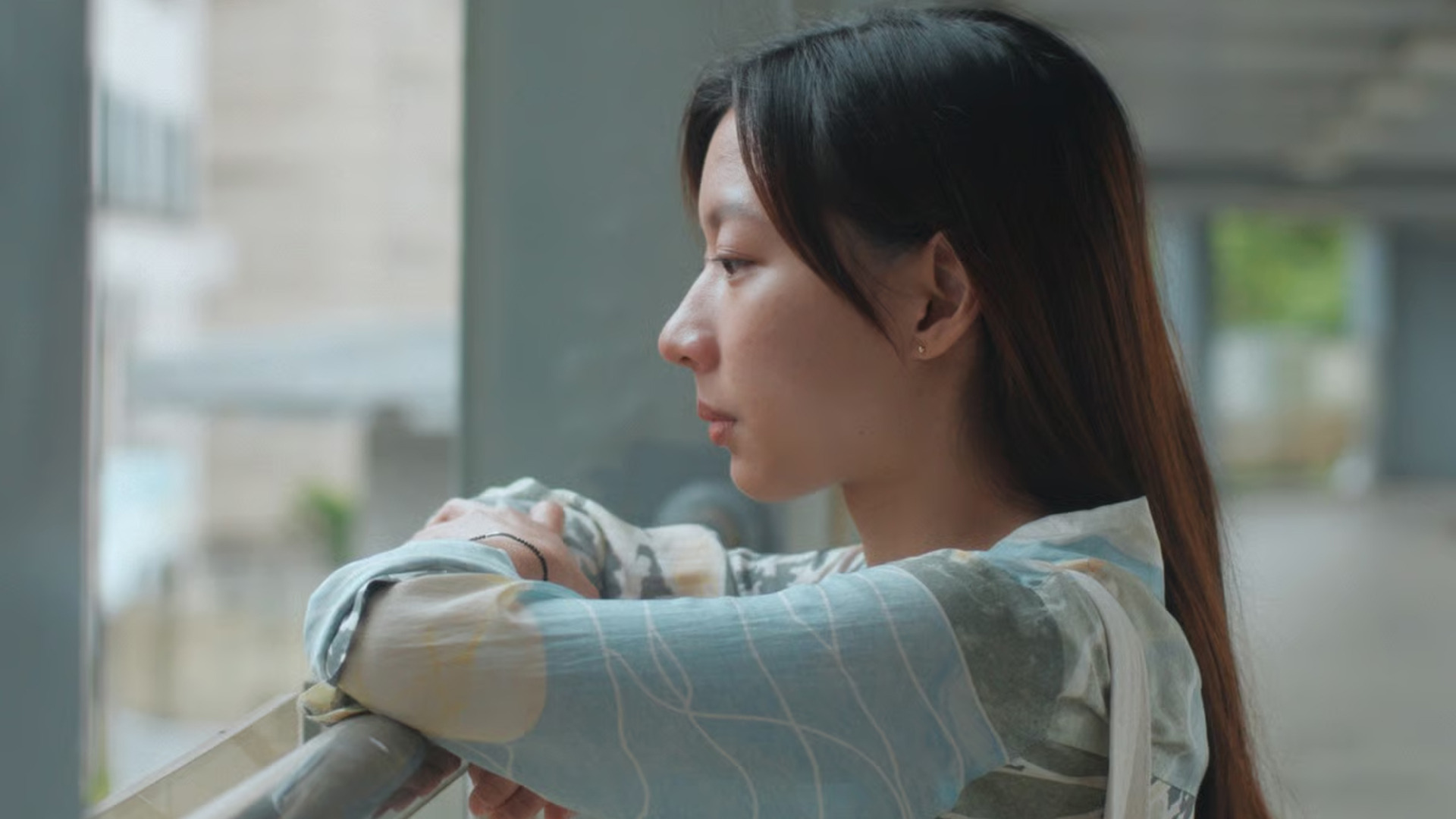
Last Night in Taipei does have a bit more going on, though. The group dynamic here was originally torn by a misunderstanding between Blanche and Jake. Their falling out wasn’t the exact reason the group lost touch (that was just life, in general), but things left unsaid start to bubble over as everyone slowly drops their armor. You see what starts as a kind of awkward night eventually evolve into a sweet embrace where everyone is laying their cards on the table in the hope of restoring the kinship they once shared.
Mao Mao is the interesting wrinkle here. She’s someone completely new to this group, so she often acts as an audience surrogate. She pries into Blanche, Jake, and Axin’s pasts and gets them to open up again. With her youthful energy, she’s also able to push the group to act like their younger selves, which in turn sees them disregarding societal standards and embracing their more carefree past. Life has a funny way of draining the vitality from you, but then it can also reignite your zest for adventure under the right circumstances.
Some of the finer details I don’t wish to spoil, because Last Night in Taipei does have some poignant moments which erupt over the course of its runtime. If you can get on board with its more lackadaisical style, you’ll find moments where each character comes to a realization about their lives and what they could have done differently. Thankfully, the movie doesn’t drift from its set style, so the “conclusion” isn’t a sudden epiphany that then changes the course of everything.
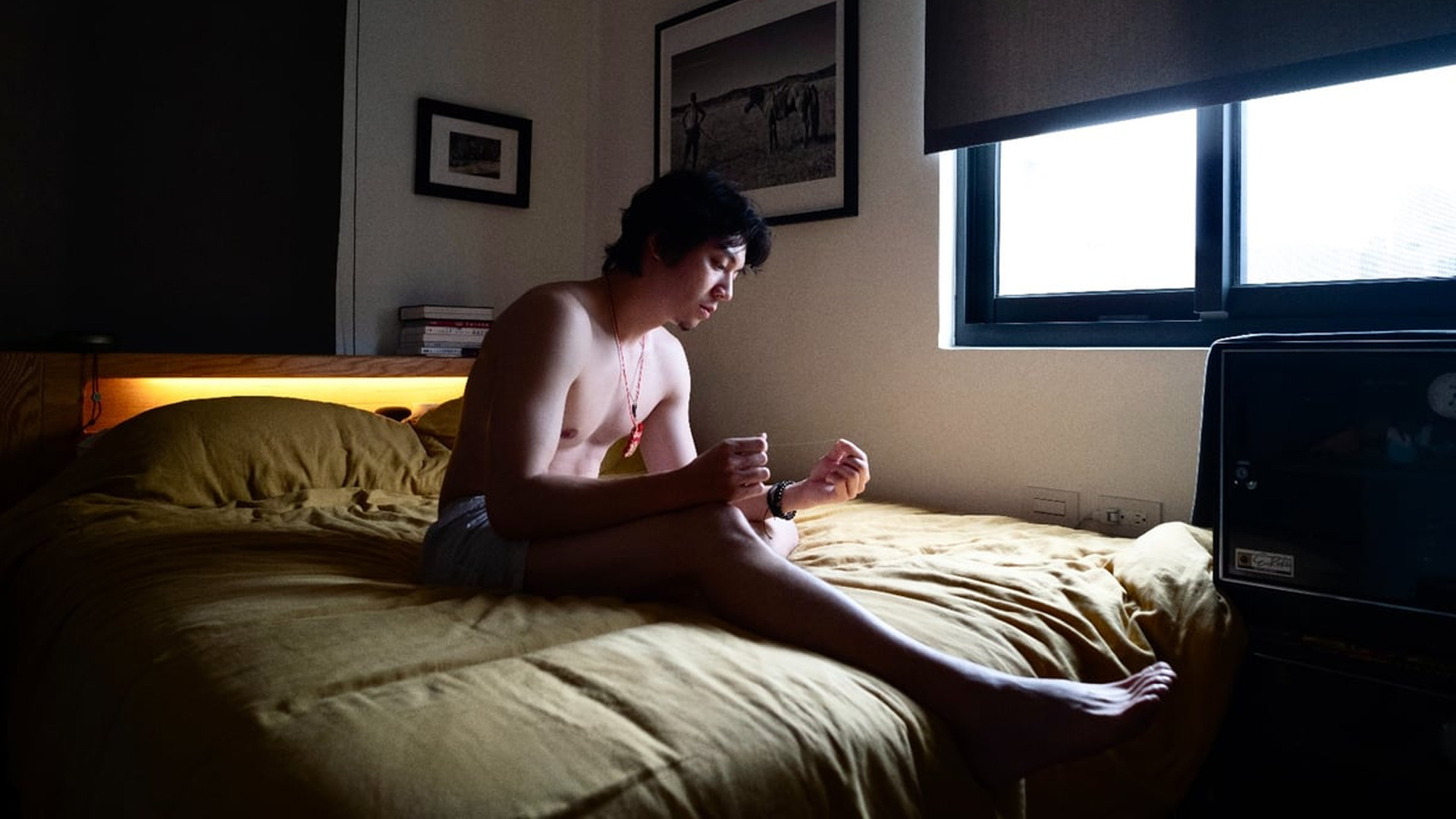
What I mean is, the main trio has basically failed to achieve their original goal of becoming famous actors. They each tried, but life had different plans, so they had to move on. One of the hardest aspects of becoming an adult is realizing the message of “you can do anything” is actually a load of nonsense. While certain individuals can become whatever they want, they are usually coming from a place of privilege that allows them to fail however many times is necessary. Average, working class people, on the other hand, can only stage a handful of attempts before they need to gravitate towards a stable job just to make ends meet. That’s what has happened to the friend group here, and the movie has them stick with that even in the end.
I must say, it is refreshing to see that on screen. In my own life, I often feel like a failure because I’m struggling to make a name for myself and promote all the work I’ve done. I’ve been a writer for 10 years, but it feels as if I have no more experience than when I began. I know this isn’t true, but in a world where so many different industries are imploding, it can increasingly feel as if your prior experience matters for nothing. To say I completely understood why Blanche, Jake, and Axin had “given up” is underselling it, but then the movie doesn’t insult them for that decision.
Some of the struggle this film’s characters go through comes from a personal place, too. Jake, for instance, is something of a foreigner in Taiwan despite being born there. His family moved to France when he was younger, and while he would come back to Taiwan for schooling, he has been living in France since graduating. He notes at several different points that so much has changed about the city that he doesn’t even know if he can call it home anymore. Reportedly, director Kuo Cheng-chui is the same, having left Taiwan to study in France for college. That autobiographical detail gives extra weight to the picture, even if it might be lost on some.
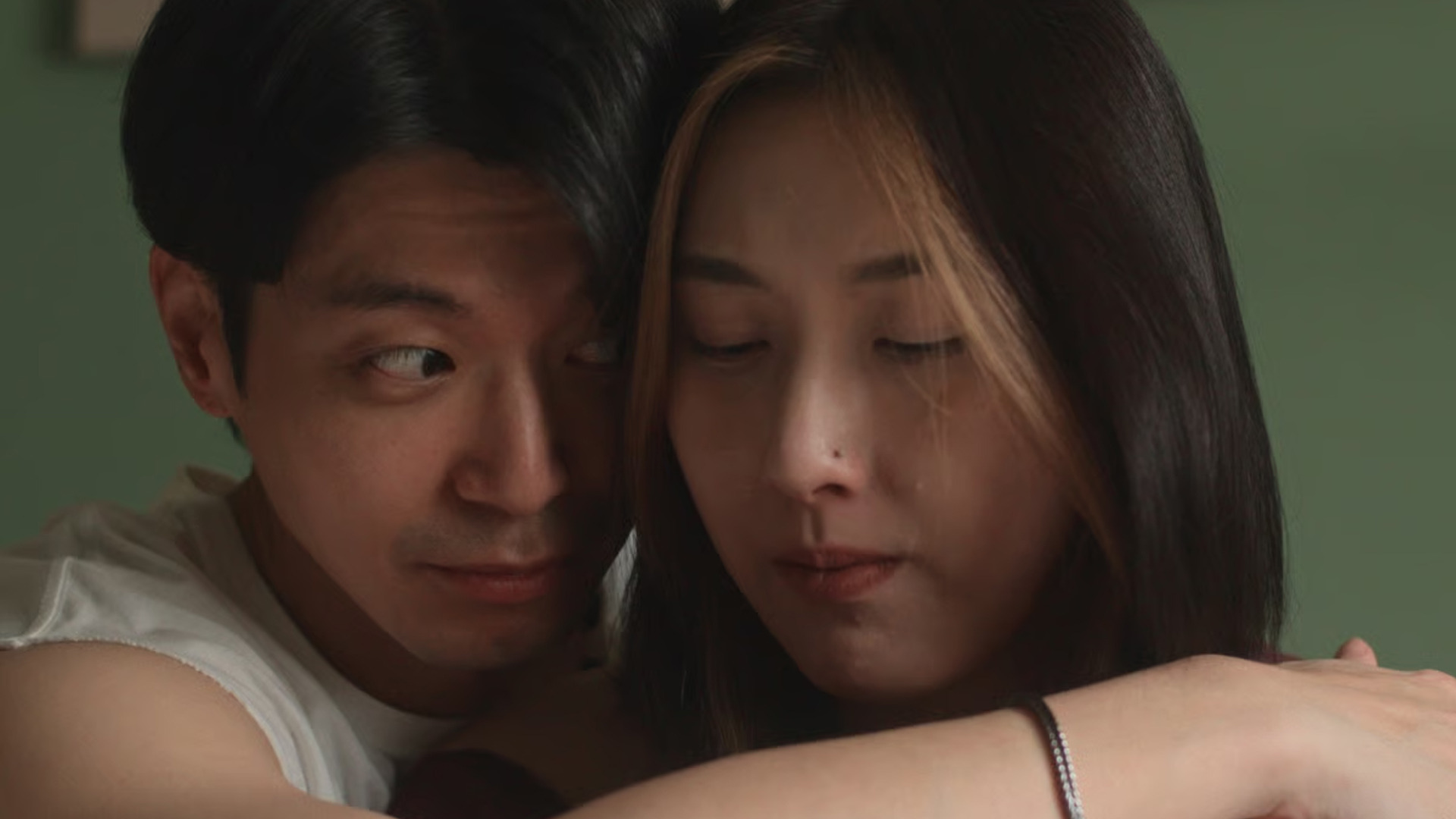
The only detracting aspect is that for a film set specifically in Taipei, I didn’t feel Last Night in Taipei really highlighted it well. The group does indulge in some local cuisine and customs, but the majority of the runtime is focused on the inner turmoil of its leads. Nothing about what this group goes through is specific to Taiwan, feeling almost universal in how it plays out. I suppose any city can look similar when cast in a specific light, but I would have liked to see how Taiwanese customs maybe led this group to drifting apart.
Either way, Last Night in Taipei is an effective film because of its very human, relatable core. Some people will be put off by it not strictly being a story, per se, but then those same people can pound salt. Film, as an art form, has many different forms, and if you can’t find something in this movie that speaks to you, maybe you need to go live life some more.
0 Comments Add a Comment?