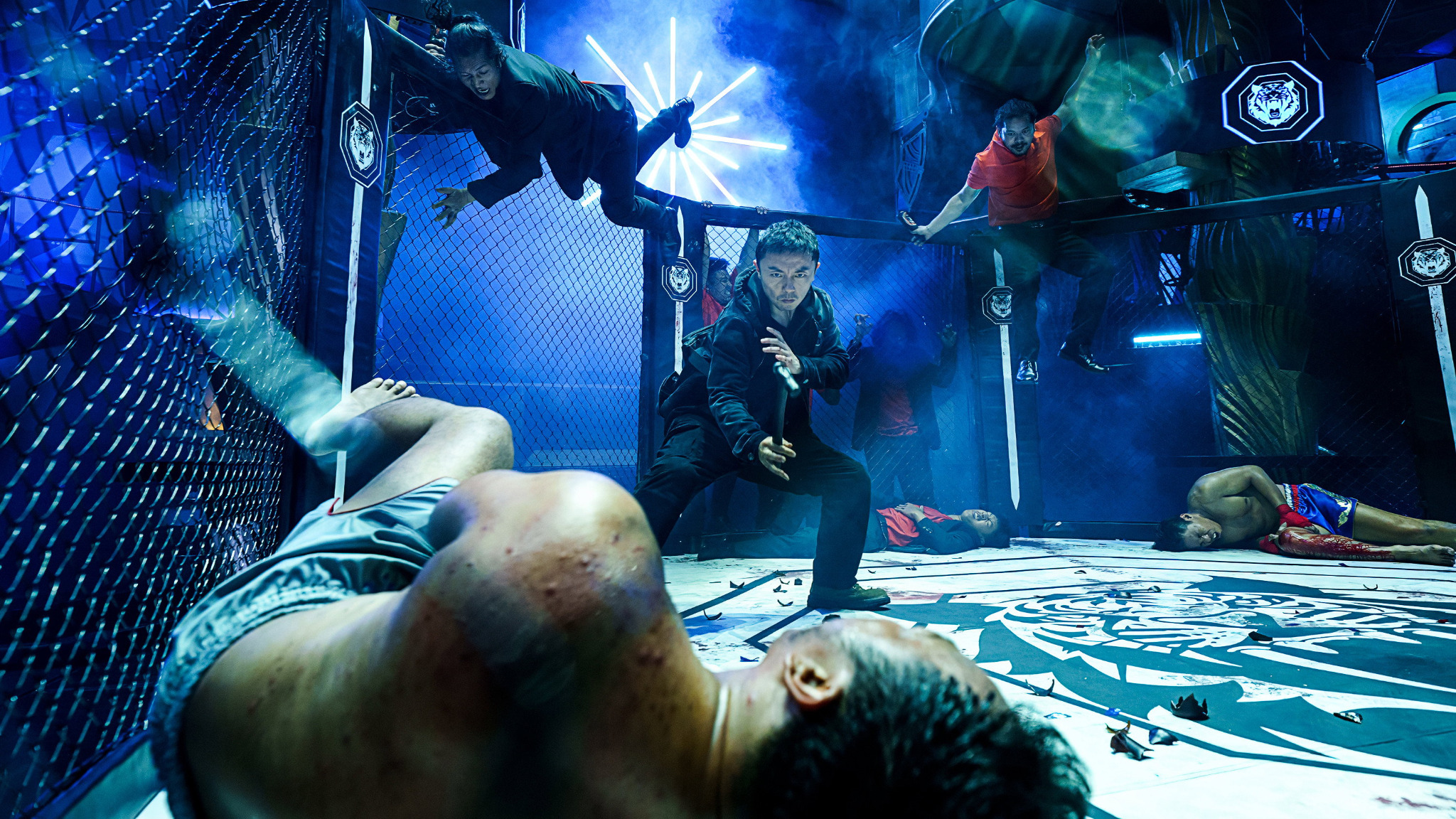
Two years ago, when reviewing Baby Assassins: Nice Days, I wrote, “Baby Assassins: Nice Days is the film I feel will put Sakamoto and Sonomura on the map.” While director Yugo Sakamoto has mostly remained in Japan doing low-key productions, it’s really action choreography Kensuke Sonomura that seems to have taken off. I assumed his work in that film would be the catalyst for international recognition, but I never expected that he’d partner with one of the leading action directors in Hong Kong to create a film that could be described as “generational.”
That’s the situation we’ve landed on with The Furious, the collaborative effort between Sonomura and director/choreographer Kenji Tanigaki. Technically having debuted last year at the Toronto International Film Festival, The Furious is one of those films that makes you reconsider what is possible with on-screen fighting. People will point to certain landmark films such as Drunken Master, The Prodigal Son, Hard-Boiled, or The Raid, but the discussion has been muted in more recent years as any truly innovative stuff gets relegated to Chinese DTV networks. With The Furious, Lionsgate seems to have finally taken notice of the tremendous work being done overseas and wants to get it out to the masses.
I can’t claim that The Furious will go down in history as the most important action film ever made. It’s too early to make that claim when there’s still so much time left in this century. What I can say is, this film is likely to be in contention for most influential action film of the 2020s and is likely something that we’ll be talking about for decades to come
The Furious
Director: Kenji Tanigaki
Release Date: September 7, 2025 (TIFF), June 12, 2026 (US)
Rating: R
Like many of the greatest action films throughout cinematic history, The Furious is less focused on a specific plot and more dedicated to delivering bone crunching, gut wrenching action at every turn. That’s not to say there isn’t a story here, but it won’t be the reason you’re engaged with what’s happening on screen. This is probably the weakest element of the film, but if you can still call a movie “generational” when it has a merely passable story, then you know it’s truly special. Anyway, the basic plot of The Furious can be summed up rather quickly: a mute Chinese man goes on a rampage after his daughter is captured by human traffickers somewhere in East Asia.
There is more going on, but similar to The Raid before it, The Furious uses its plot to give audiences a basic emotional tug before letting loose. I actually think this movie works better than The Raid in this regard because before everything kicks in, we are given snippets of background information. The film cold opens with a woman named Matia (Jeeja Yanin) infiltrating a compound where said children are being held. After dishing out several cans of whoop ass in a rather thrilling opening set-piece, she gets killed and is then missing for several months. This sends her husband, Navin (Joe Taslim), on the search for her and establishes the basic framework for this evil organization.
The aforementioned mute Chinese man is played by Xie Miao, a rather accomplished Chinese actor whose earliest work was with Jet Li in the 1993 film New Legend of Shaolin. Due to some unexplained head injury, he can no longer talk, and his causes some strain in his relationship with his daughter, Rainy (Yang Enyou). After they have a fight, she wanders off and is unknowingly tricked by another child into a kidnapping, sending our hero into a chase sequence that plays out like one of those T-1000 chase scenes from Terminator 2. It’s really quite spectacular, including the hard-hitting throws tossed around by the kidnappers’ goons, one of which is played by up and comer Brian Le of YouTube channel “Martial Club” fame.
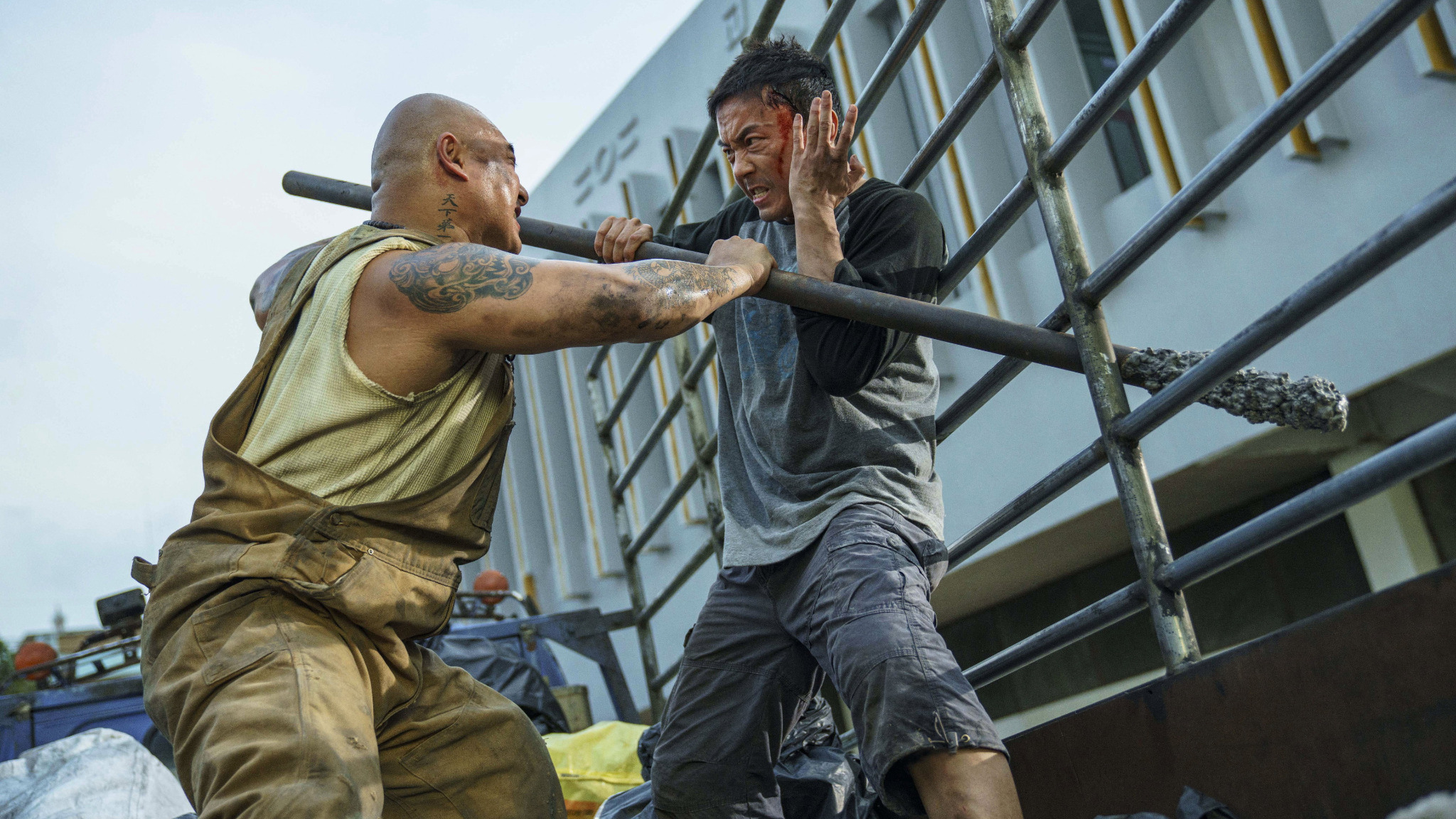
From this early moment, The Furious establishes a rule that it never breaks: each battle is a fight to the death. Xie Miao’s character (who does actually have a name, but that is saved until the finale) is quite skilled, but his assailants are on equal footing. He puts up a valiant effort to save his daughter, even getting so far as to holding her hand on the truck bed she’s on, but his adversaries are just as deadly. Brute force will get you far, but you’ll need to be smarter and more resilient to win the day. Suffice it to say, Xie Miao doesn’t leave this encounter with his daughter rescued, necessitating a visit to the police to hopefully get to the bottom of things.
In another edge over The Raid, The Furious throws in small flashbacks to Rainy’s past that helps establish the relationship she has with her father. While we never quite get an explanation for why they are arguing, at least there is a clear sense of love between the two. Xie Miao just wants her to be safe while she simply wants to spend time with him, something he seemingly can’t quite understand. When he explains the situation at the police station, he’s met with indignance from the police captain, Mr. Song (Sahajak Boonthanakit). It’s pretty clear something isn’t right with him, but Xie Miao is at a loss and returns home.
Speaking of Miao, his performance is quite excellent. While a lot of The Furious goes for an old-school Hong Kong vibe of using “dubbed” voices, forcing him to act through actions alone kind of embodies what makes action cinema so engaging. His character cannot speak, so he needs to emote like traditional 70s Shaw Brothers films, which means he utilizes a wide range of facial expressions and exaggerated stances. This is similar to what John Woo wanted with Silent Night a few years back, just executed properly as other people can speak and understand one another.
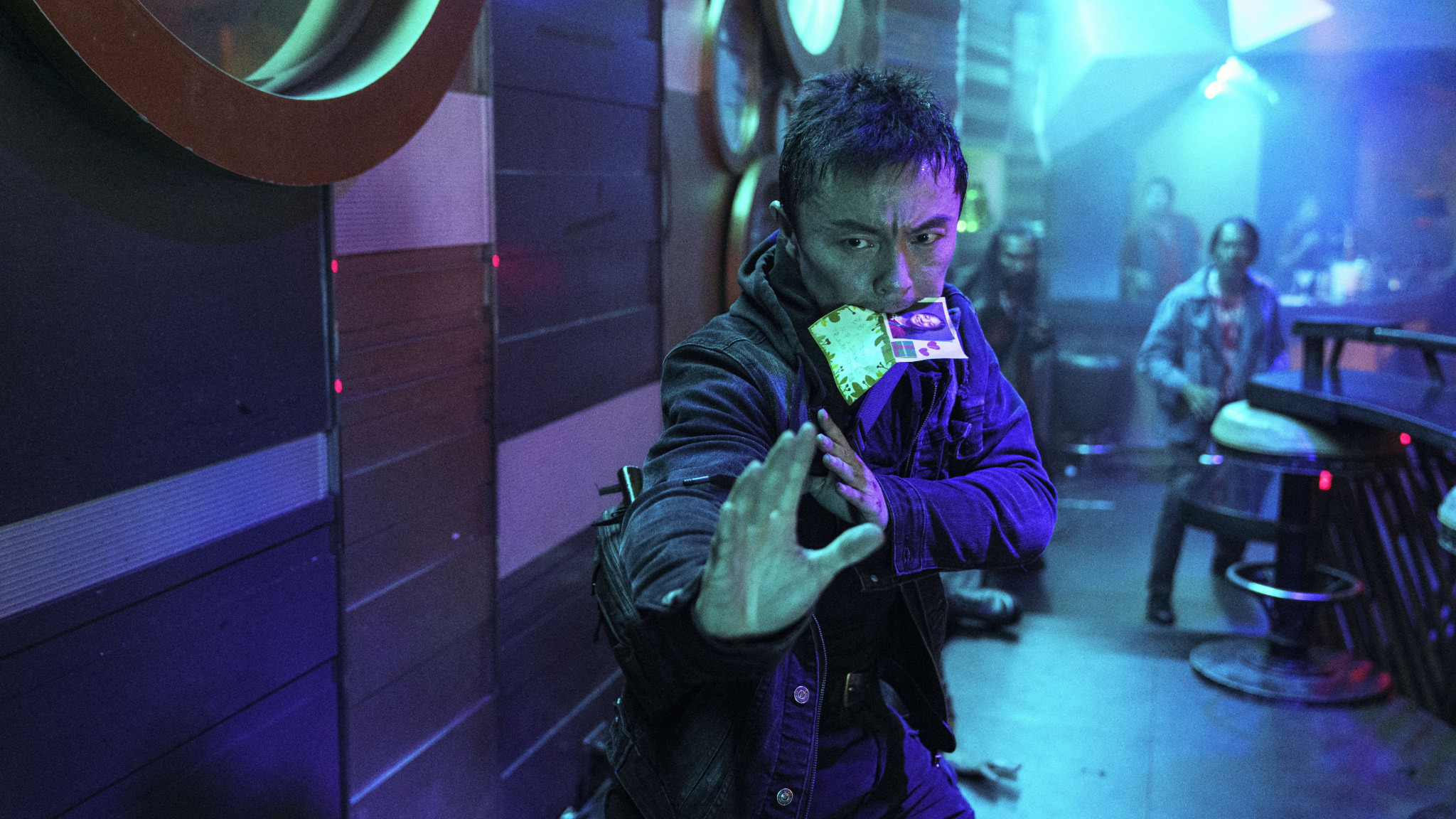
Anyway, Miao brings a physicality to his performance that is typically only reserved for action moments in other films. He’s efficient and deadly when brawls happen, but there’s a certain pain in his eyes when he gets close to uncovering a clue only to find his daughter isn’t there. It can be seen when he first encounters Navin at an underground fight club, where he mistakenly assumes Navin is against him before a brawl unveils the truth. You can tell he wants to tear the world down, but he needs to channel his rage lest he miss the forest for the trees.
Taslim, though, I’m not too sure about. Having made an immediate name for himself in The Raid 15 years ago, I kind of feel his presence here doesn’t add much. He’s a great on-screen fighter, but it seems as if the film never conceives of a way to highlight that. Sonomura’s choreography is very grapple heavy and full of close quarters dust ups, yet Taslim seems to mostly act like an older man out of his element. His verbal acting is fine, but there’s never quite the same depth of emotion that Xie Miao has despite Navin desperately searching for his wife.
Ultimately, that doesn’t matter as the first two acts of The Furious are pretty straightforward in their direction. Under Tanigaki’s careful eye, the film moves briskly between different settings and situations, constantly creating new scenarios for its leads to fight in. One early highlight will show you some new ways to wield a ball-peen hammer, not to mention channel a vibe similar to the Yakuza/Like a Dragon games. All of that work Sonomura has done for years with his team at U’den Flame Works has paid off in fights where actors will grab another person as a weapon, employ stepladders as jousting poles, and somehow find a way to incorporate an ice block into a one-on-one fight.
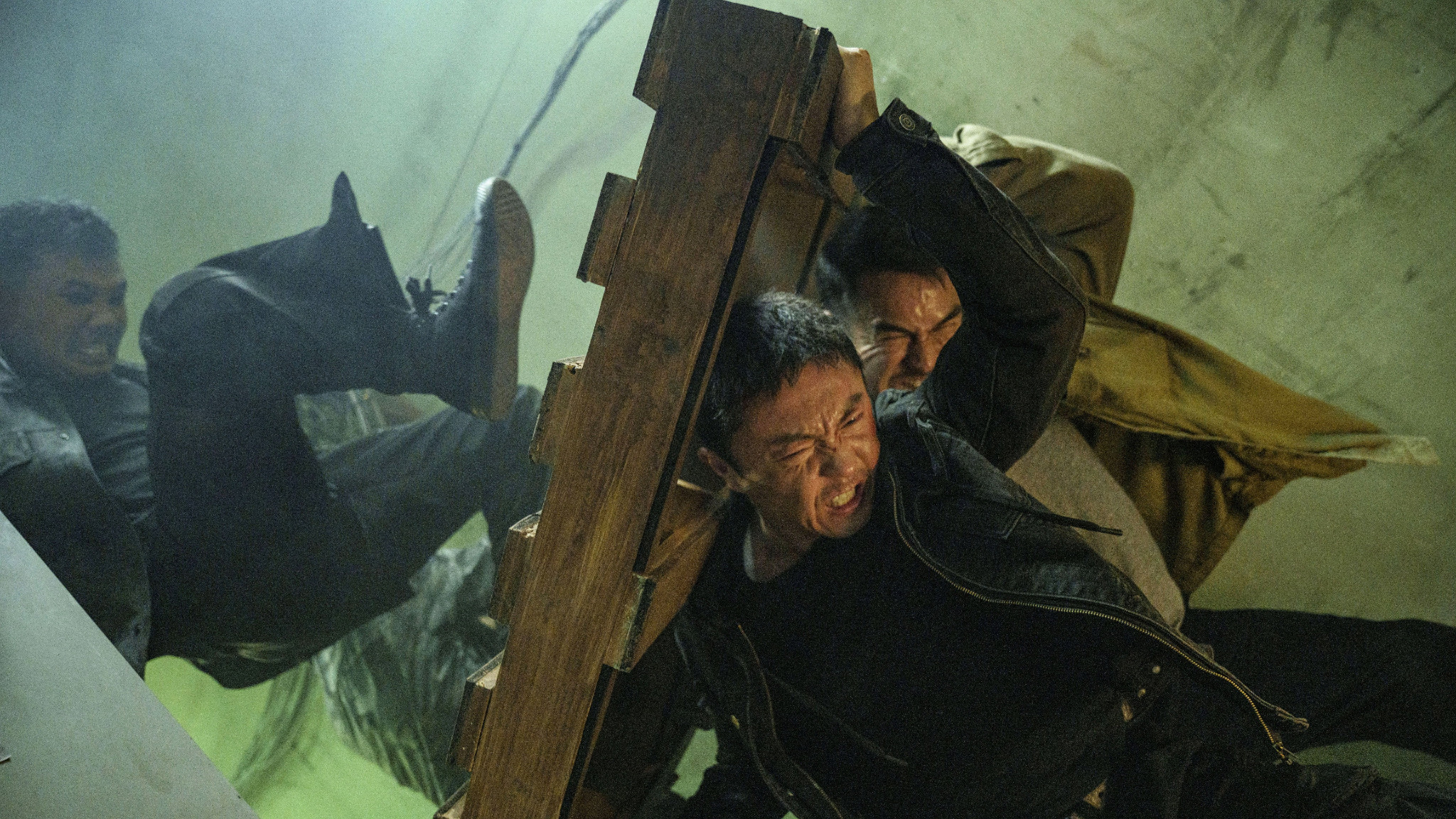
It's really in the third act where The Furious starts to lose it a bit. The film is never as serious as its action is brutal, but some leaps in plausibility begin to stretch the concept thin. There’s also the adherence to Kishōtenketsu structure that makes some late film developments feel a bit too random. The main villain, who up to that point in the film was never seen or even mentioned, steps in and becomes the final climactic showdown. He also goes on a rampage that culminates in him killing his pregnant wife, a cheap ploy to embed his villainy with explicit rage.
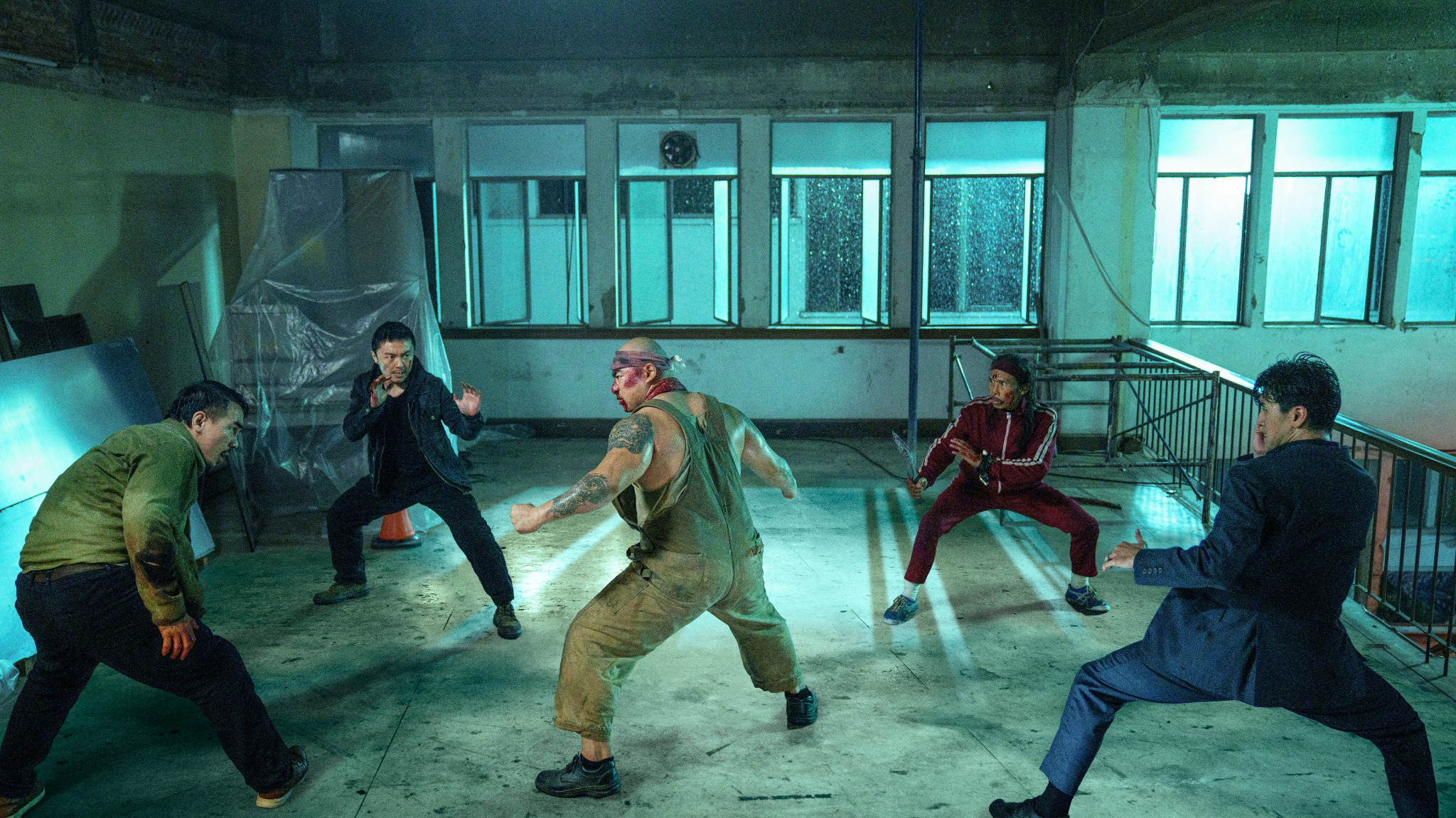
Even though the film begins to drag a little, it does result in a rather spectacular five-way brawl that is the mother of all finales. The main villain is also rather wonderfully portrayed by Joey Iwanaga, utilizing taekwondo in a fashion I haven’t seen since Angela Mao was doing whirlwind kicks in the 70s. It’s a feat of technical mastery that this battle is even legible, not to mention constantly evolving into a display of outrageous violence that will make even the strongest willed people squeamish.
Still, you can’t help but feel that the finale was an excuse to include The Raid alum Yayan Ruhian more than it was a purposefully thought-out conclusion. I’m all for having him as a villain in your film, but even his awkward inclusion in The Raid 2’s plot didn’t feel as ham-fisted as it does here. There’s also something to be said of “less is more” as an approach to action filmmaking. The Furious isn’t the longest action film I’ve ever seen, but clocking at nearly two hours, it does feel as if you could cut nearly 25 minutes, and it would arguably improve the film.
There’s no point in fantasizing about an “ideal” version of The Furious, though. What we’ve gotten is a rare example of a movie living up to its hype and even pushing the genre forward in ways I couldn’t have expected. I’m also eager to rewatch the movie, something that doesn’t happen as often as you’d think for me. So, for now, I’ll take some of those drawbacks (which are really nits more than legitimate flaws) and appreciate the display of mastery that Tanigaki and his team have delivered. It’s going to be a long time before we see another film like this.
0 Comments Add a Comment?