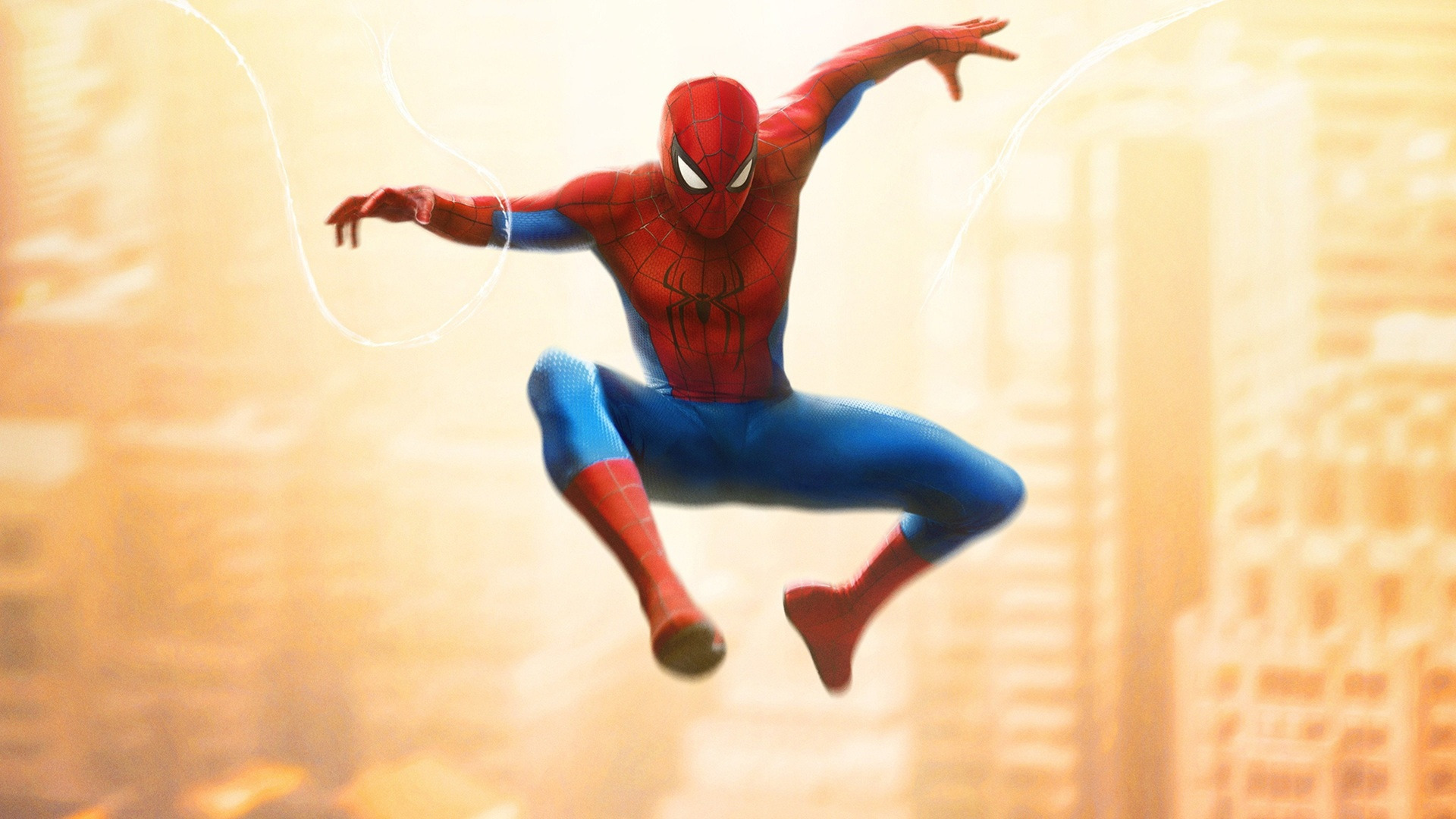
It is functionally impossible for me to review Spider-Man: Brand New Day without bringing up some kind of spoilers. The thematic depth of its film relies on the comparisons between Peter Parker (Tom Holland) and Sadie Sink’s character, who has been left out of marketing for "surprise" purposes, I suppose. While I can compartmentalize why Marvel did this, likely because it didn’t want to draw attention away from the titular hero, it means that trying to dodge spoilers would rob this review of any relevancy beyond an opening weekend.
Considering this, I’m using the intro here to give a quick recap and state that I’m taking the gloves off when it comes to explaining why I feel this is probably the MCU’s best stab at Spidey yet. If you haven’t seen the film yet, don’t continue past the trailer placement. I’m not here to ruin anyone’s fun, and I get why being surprised by something can be a joy, but it’s a one-time thing and Brand New Day doesn’t linger on it as if that’s the only trick up its sleeve.
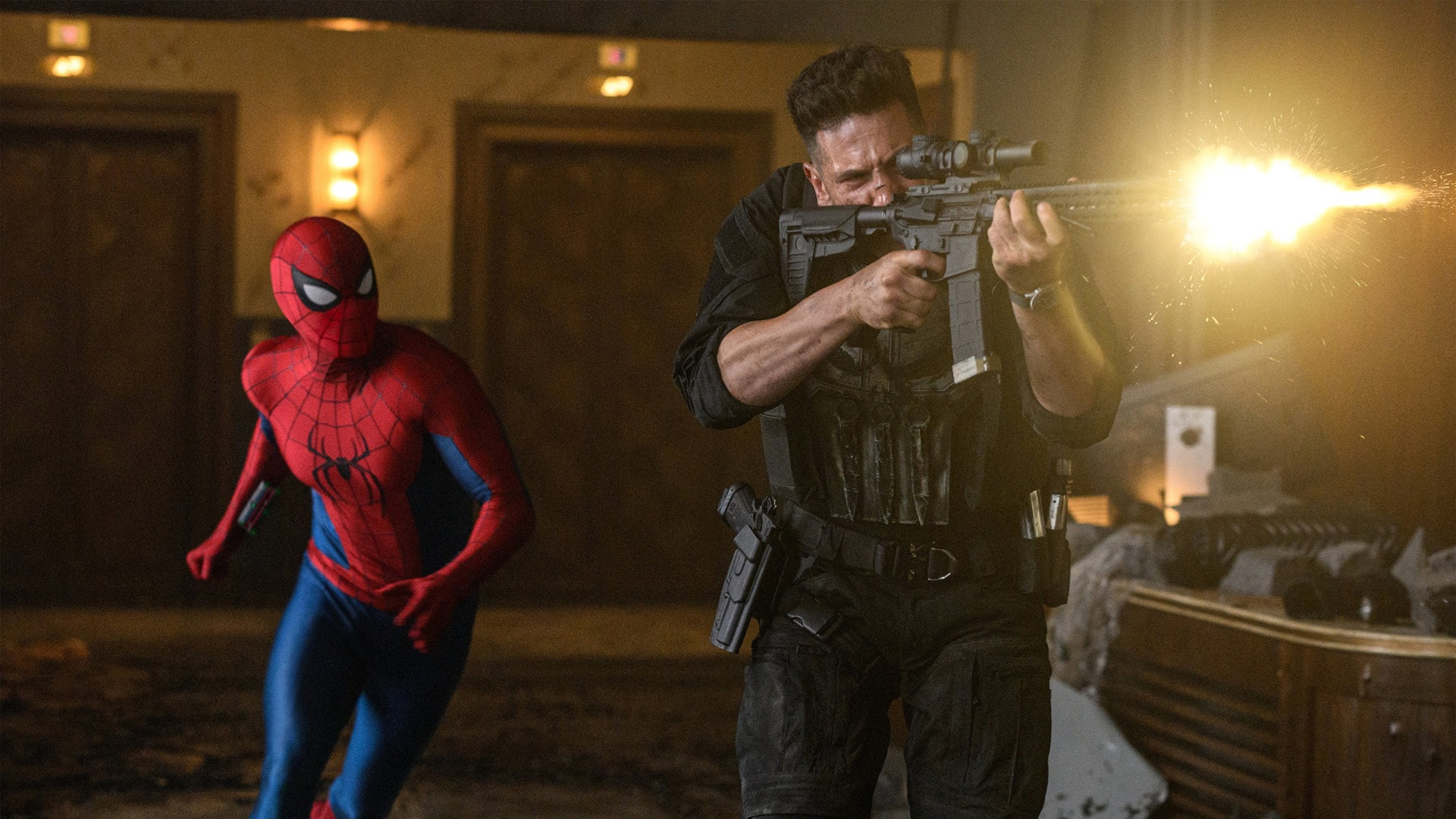
To recap, the plot of the film is as follows: after spending years in isolation focusing on being Spider-Man, Peter Parker’s body is starting to undergo a metamorphosis that he can’t explain. Wishing to get to the bottom of it, he seeks out Dr. Bruce Banner (Mark Ruffalo) to figure out a solution to suppress these changes, all while a mysterious villain with mind control powers is hopping around New York City. With further aid from Frank Castle (Jon Bernthal), Spidey seeks to get to the bottom of things so he can not only save the city, but save himself.
Spider-Man: Brand New Day
Director: Destin Daniel Cretton
Release Date: July 31, 2026
Rating: PG-13
Okay, so with that out of the way, let’s get into why Brand New Day really does feel like a brand-new start for Spider-Man in the MCU. Gone are the overbearing connections to the broader MCU, even if this film takes place in a firmly established universe. For the first time in a long time, barring maybe Fantastic Four: First Steps, the only real knowledge you would need for this film comes from the previous Spider-Man trilogy. This is a direct sequel to Spider-Man: No Way Home that picks up from the plot threads established there.
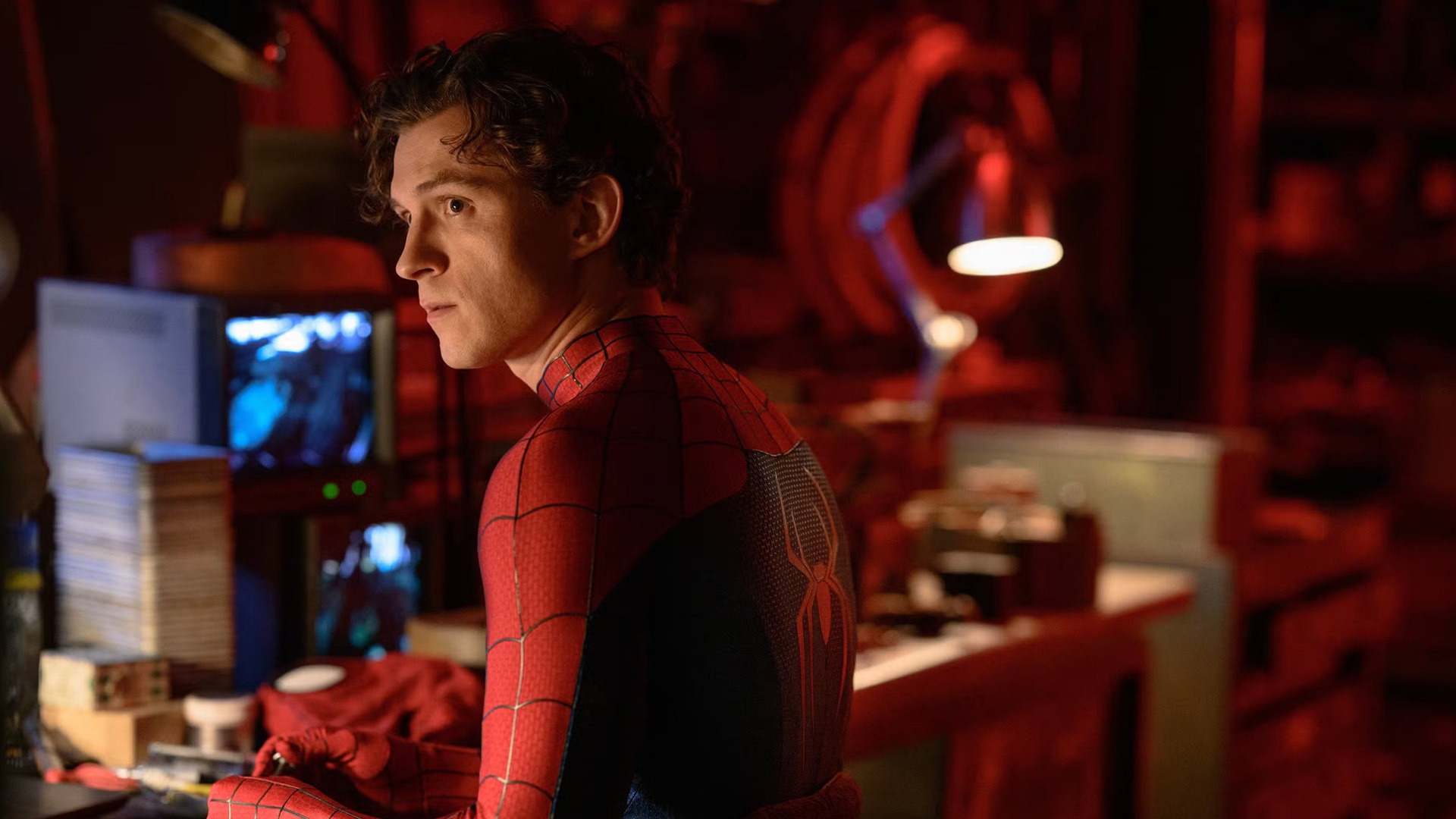
Where things get interesting is that Spider-Man is no longer working as part of a bigger team. In true comic fashion, he is a solo act who is dealing with street level crime in NYC. Peter Parker’s wealth is completely unexplained (how the hell does he have a 3D printer, multiple monitors, and a digital assistant while living in a crap shack?), but that’s neither here nor there. The gist is that he has spent years prioritizing Spider-Man over his humanity, which is starting to wreak havoc on his body. The most obvious change is that he develops organic web shooters, an obvious nod to Sam Raimi’s Spider-Man trilogy from the early 00s.
The film starts with a montage of Spidey dealing with various thugs, allowing Marvel to throw in cameos for fans while not inundating the film with blatant fan service. I do appreciate that Michael Mando is brought back from Homecoming as Scorpion, especially since Mando is a phenomenal actor. He always got something of a bum rap from Marvel, and while his appearance here is a glorified cameo, at least he gets to do some great work during a mind control sequence.
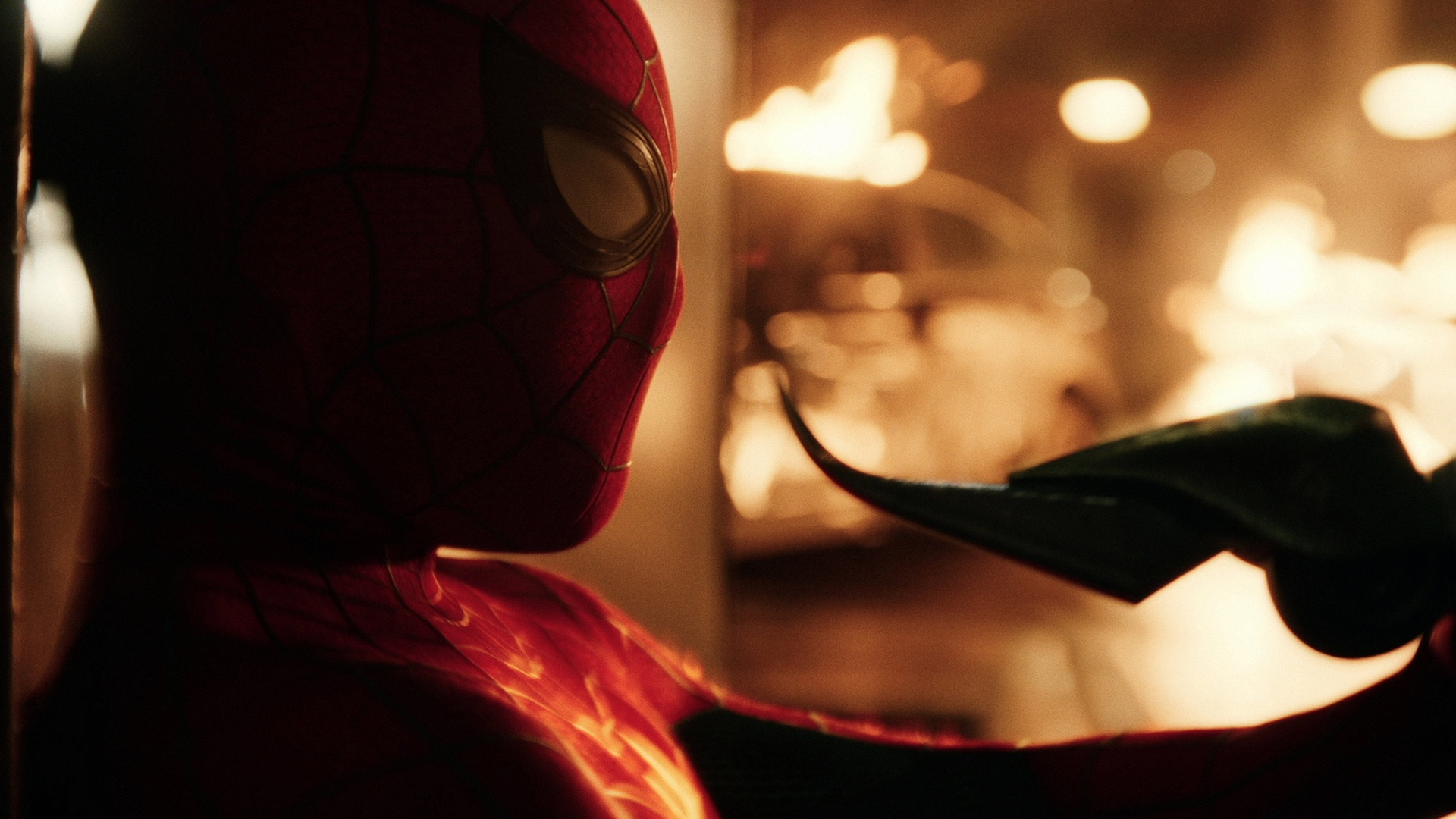
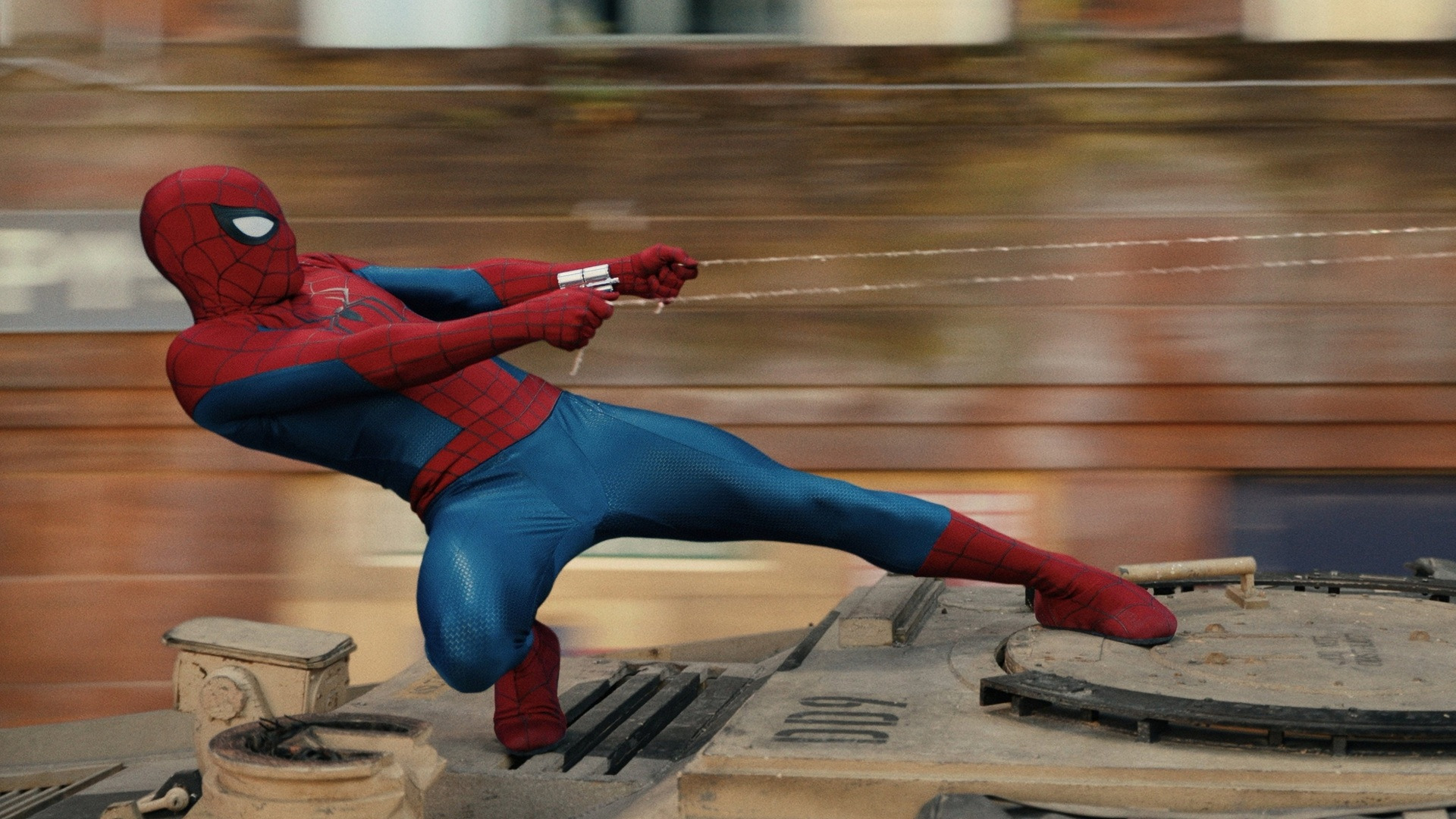
The angle of mind control crops up fairly early on when a tank starts to tear through downtown NYC. When Spidey stops it, the driver is revealed to be an elderly woman who then can’t recall what is happening. Spidey notices that her neck twitched and, essentially, jumped to another person, so he tries to get ahead of that by webbing a guard to the ground. The jump occurs again and it sets off a rather interesting mystery of who is behind this carnage. I’m stunned the film doesn’t play its hand sooner, either, because this mystery makes up the first hour or so of the movie.
The first act of the film feels a bit perfunctory following that. Things are very heavily plot focused, with Peter jumping between different investigative angles and attempts to reintegrate with his previous friend group. It can feel a bit overwhelming with how fast it moves, but I suppose the idea is that you’re meant to feel the anxiety that is running over Peter’s brain. He’s losing control of his own life and can’t even seem to keep Spider-Man in check now.
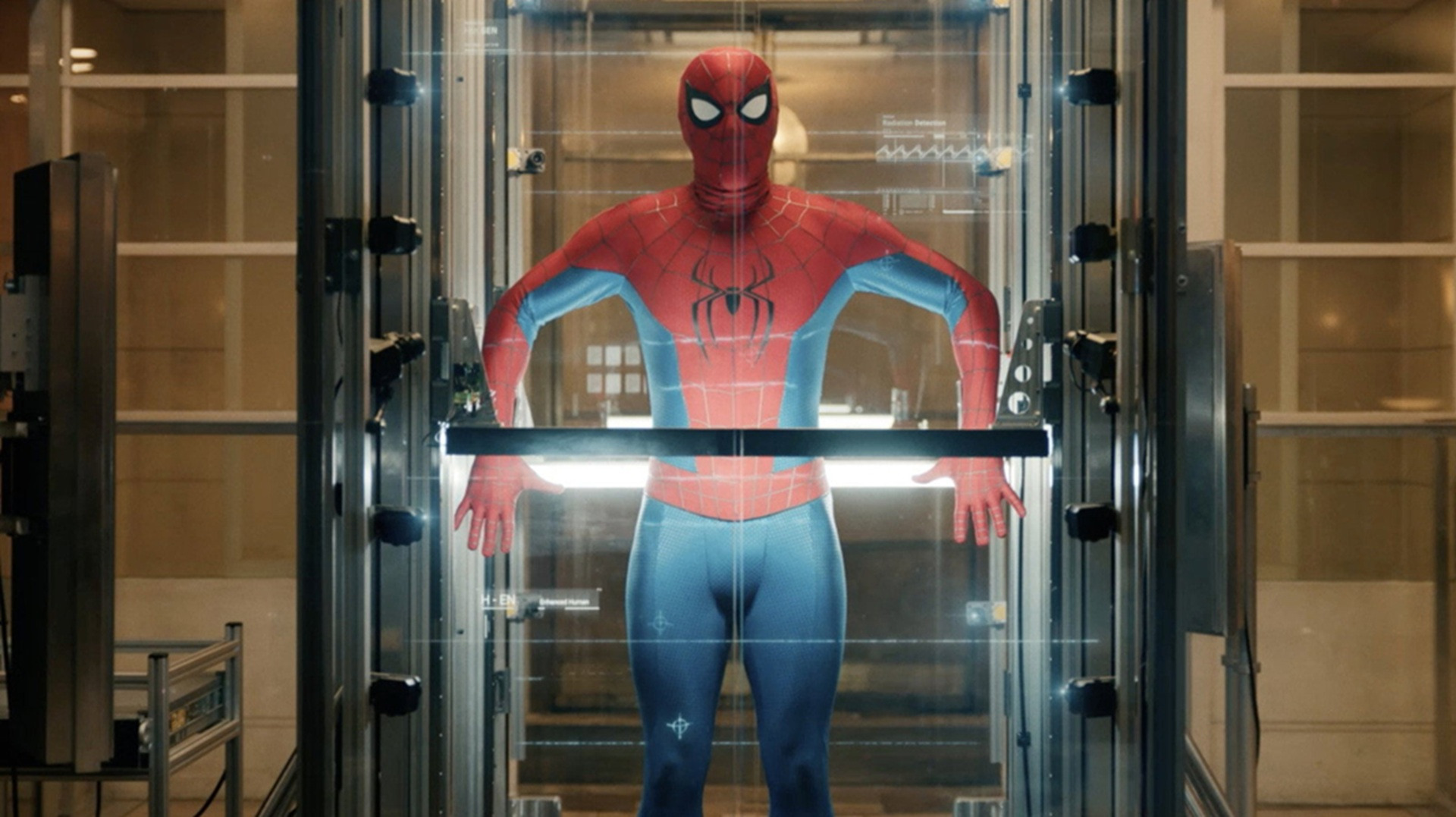
Where this starts to come into focus is when the mind controller infiltrates Peter’s apartment. After running a failed test on an inhibitor device to suppress his mutations, a random bystander accosts Peter with some very personal information. As it turns out, he’s under the control of this unseen villain, and is now threatening to endanger MJ’s (Zendaya) life. Peter brings MJ to Frank’s hideout for protection, but before that, has a run-in with the mind controller. Using a form of telekinesis to hop between bodies, she tricks Peter into revealing his identity and then nearly kills him on the street. Being mere feet away in an unmarked car, Peter catches a glimpse of her face and uses that to run facial recognition to ID her.
Now, the big reveal: Yes, Sadie Sink plays Jean Grey of X-Men fame. The needle drop, so to speak, isn’t played like a big deal in the film, which I really appreciate. It’s maybe a massive thing for fans of Marvel’s comics, especially with X-Men being one of the most famous and beloved series in the company’s entire history, but the concept of X-Men does not exist in the MCU. Instead, Brand New Day merely plays it like how it would be: insight into a person that Peter is tracking.
It builds into a rather fantastic battle between Spider-Man and the Hulk, which Jean is mind controlling to break into a DODC vault. Frank is there to lend aid, and while he is mostly useless against super-powered monsters, his showing up acts like character growth. One thing I noticed through talks of inhibitors and secret identities is that a lot of Spider-Man: Brand New Day is about suppressing your innate abilities to blend into society. It’s very obvious with Peter, who constantly wears his mask in almost every scene. A first in any MCU movie, I believe, we don’t see Peter’s face for like 75% of this movie. Marvel finally let its superhero be the damn superhero.
Anyway, Peter is masking himself to hide his identity while also using a device to suppress his new mutation. Frank, as the Punisher, is building walls around his heart to prevent himself from suffering the pain he did on the day he lost his family. Bruce has built a suppressor cuff to lock away the Hulk so that he can reintegrate into society. Jean was previously hiding herself from the DODC because her powers were deemed too dangerous. All of these characters are feeling the ramifications of hiding for years, which has disrupted their normal lives.
It's truly magnificent how well Peter and Jean are used as reflections of one another. While not an original story by any means, the most recent analog I can give is between Johnny Lawrence and Daniel LaRusso in Cobra Kai. Johnny’s life turns to shit over the years because the people who were caring for him utterly failed him. Daniel, meanwhile, had strong support from his mother and Mr. Miyagi, which allowed him to deal with strife in a more positive manner. Peter is Daniel and Jean is Johnny.
In a tragic reimagining of her origin story from the comics, Jean’s character in Brand New Day was abandoned by her mother at a young age alongside her sister, Sara (Olivia Booth-Ford). Sara showed strong telekinetic abilities early on that their parents believed were inside Jean. While Jean hadn’t unlocked them yet, I suppose the two were deemed undesirable and left to rot. The duo somehow made it to their teenage years by themselves, but the DODC gets wind of Sara and captures her. Jean’s entire motive throughout the film is that of revenge because it’s the only thing she knows. She is reacting in the same manner that the DODC did to her sister, which is abduction and disappearance.
Peter, however, was raised with strong moral support from his Aunt May (Marisa Tomei). In a flashback sequence, she explains to Peter that no matter how hard things can get, he is surrounded by people who love him not because of his abilities, but because of his personality. It’s a good spin on the “great power, great responsibility” shtick that has permeated throughout Spider-Man media for decades. Peter forgets it for a bit, but eventually it comes back to him and allows him to overcome his new mutations.
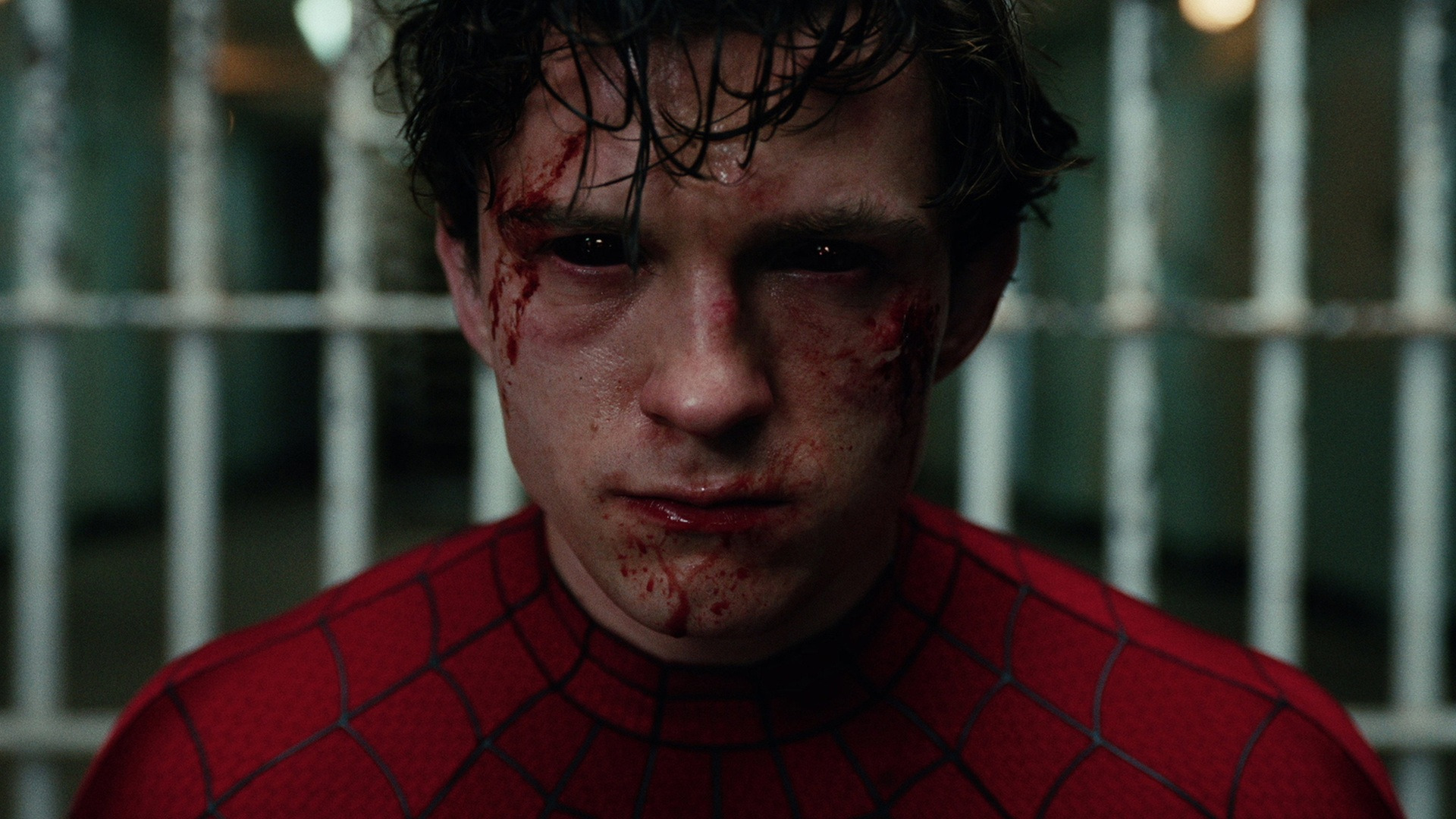
Overcome, though, is actually the incorrect term to use. I should say accept, which is another major theme of Brand New Day. You have this selection of characters who were all dealt terrible circumstances and have been running away from the consequences of it for too long. Peter’s is more recent with him shunning civilian life, but Jean couldn’t accept that her powers are a benefit. Frank claims at one point that his lifestyle is a sentence rather than a choice, but in his quest to completely destroy his own humanity, he somehow manages to bond with Peter and treats him almost like a brother. He accepts that he can’t live this life alone. Bruce, too, even asks Peter earlier in the film if what he is trying to suppress is something meant to be expressed, which relates directly to the Hulk. I think you could write a dissertation on how badly the MCU has fucked up Hulk, but his film seemingly gets it. Hulk is destructive, sure, but he isn’t a monster meant to be hidden away.
The fact that I can talk about all of this from an MCU movie is pretty astonishing. It’s not like Marvel has never produced thematically rich films, but its movies over the last decade have been different shades of fan service, memes, and CGI third-act garbage. I do like Shang-Chi and the Legend of the Ten Rings, of which Brand New Day’s director also directed, but even that movie can’t overcome broader connections to the MCU and an unfocused character arc. It works mostly because it had quality action design and an actor playing a villain who was way better than everyone else in the movie (Tony Leung is the GOAT). Brand New Day, conversely, avoids all of that by having its central characters suffer from similar dilemmas that then get examined with care.
I do think the third act gets a little messy here, with Jean using an explosive bit of telekinesis to freeze a 1 km block of NYC while Peter fights The Hand. The Hand is mostly just here, though I do love that the Jackie Chan stunt team was given a spotlight (Ed Note: Post release, director Destin Daniel Cretton told The Wrap that Jackie Chan's stunt team was not involved. I've left the review as is, but it's a shame to see marketing latch onto a falsehood before release). It’s easily the best fight in the movie, utilizing some interesting choreography and even some new spider abilities that look great. There’s an emphasis on practicality in Brand New Day that elevates its action moments, even if some of the backgrounds and cinematography are let down by weird digital tinkering.
I would also say that the character of William Metzger (Tramell Tillman), the head of the DODC, is kind of weak. Tillman does a good enough job, and it’s not like he isn’t sufficiently villainous, but his ultimate plan makes no sense. It’s never clear if he’s capturing Jean to reverse mind control her or to steal her powers. Maybe the idea is his hubris gets the best of him, but I would have liked to see more parallels to something like ICE or The Department of War, etc. Hell, it might have even made sense to bring in the Anti-Vigilante Task Force from Daredevil: Born Again, which is a direct analog for ICE. I suppose that is asking for too much from a Marvel film in 2026, however.
Even with some issues, I can’t help but enjoy Spider-Man: Brand New Day more and more when I look back on it. While the runtime of two hours and 25 minutes is certainly long, and the film could maybe do with spiffier pacing, this is a surprisingly good MCU film after years of drek. I’ve always had a fondness for Holland’s take on Peter Parker, but he now feels like classic Spider-Man. A lot of critics have been making comparisons to Raimi’s Spider-Man 2, and while I don’t believe this nails the character quite like that, it does feel similar.
More surprising is that despite not being an X-Men movie or even uttering the word mutant, Brand New Day completely understands the role that the X-Men play. Jean’s dilemma sums up why the series became such a driving force in Marvel Comics for years: it speaks to people on the outskirts. Be they LGBTQ individuals or people of color, the X-Men have always represented individuals who were "othered" by society.
I hesitate to call Spider-Man: Brand New Day the best MCU film in the franchise's near 20-year existence, but it definitely is the best one of the 2020s. It’s disappointing that the next major release is some Avengers nonsense banking on nostalgia, because I would like to see more movies in the vein of this.
0 Comments Add a Comment?