Review: Dragon Ruins II: Aftermath
Dragon Ruins and my YouTube channel have a storied history at this point. For each year that my channel has been active, there has been a new Dragon Ruins release from indie developer Graverobber Foundation. Some of the most popular videos on my channel, I almost feel obligated to cover each new Dragon Ruins game because I not only enjoy these dungeon crawlers for tired people, but because my videos have had a tangible impact on spreading the word of these games.
Introduced to the original by a random Tweet from New Blood founder Dave Oshry, I was blown away by the first for its incredible art style and straightforward approach to dungeon crawling. The second, however, really grabbed my attention for how much more in-depth it was. When lead developer Romanus Surt announced he was creating a standalone expansion in late 2025, I wondered what else he could possibly improve. Dragon Ruins 2 felt like a soft reboot of the series with a stronger foundation, so what was next?
Well, Dragon Ruins 2: Aftermath doesn’t quite answer that question. As the name would imply, this is more like an expanded version of the previous game rather than a radical reinvention or even a continuation. If you thought Dragon Ruins 2 needed more, than Aftermath’s got you covered. If you wanted more varied skills to adorn your characters with, that’s here too. In some ways, that is disappointing, but Aftermath represents the most polished and expanded take on the “game for tired people” idea yet.
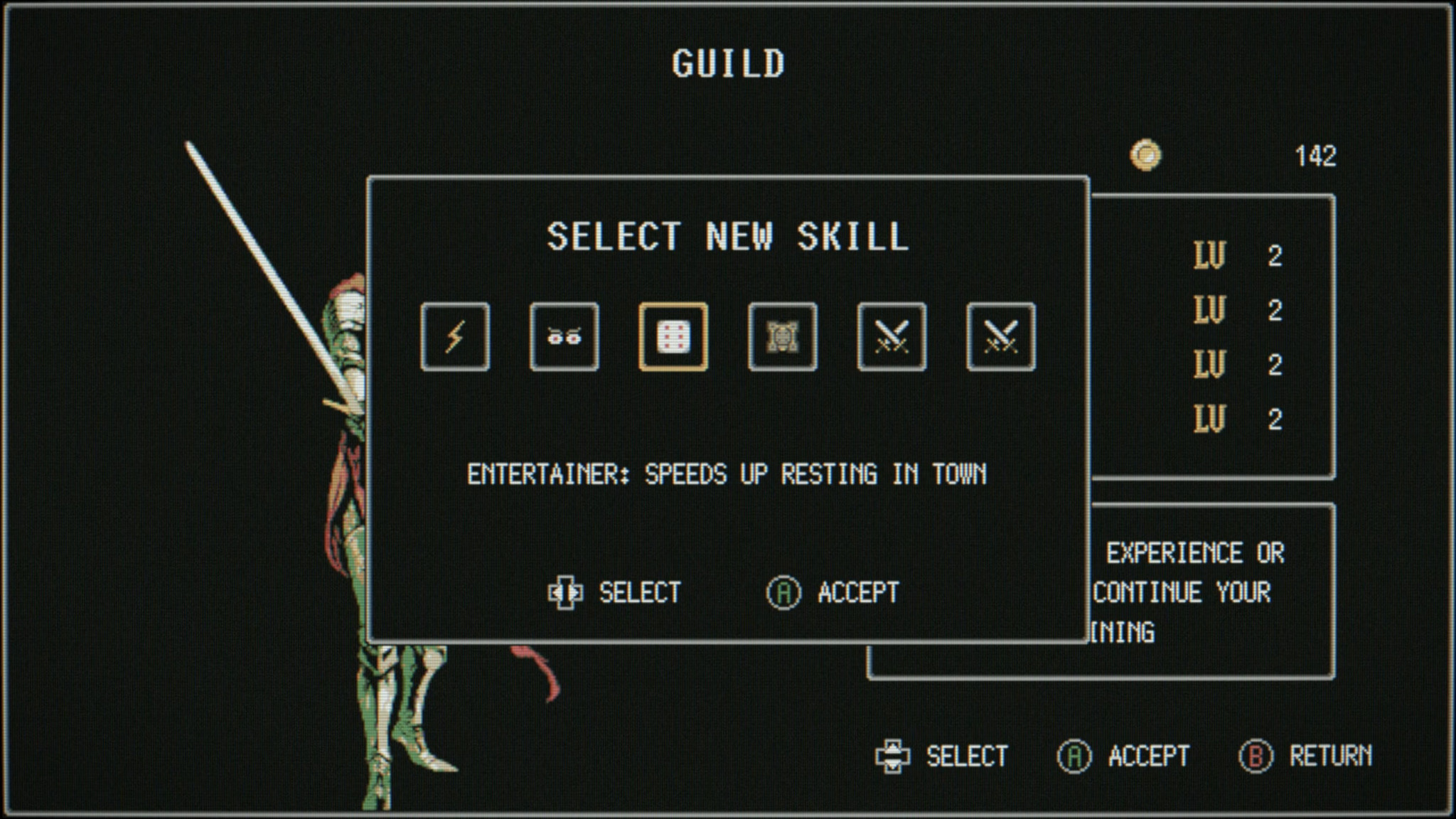
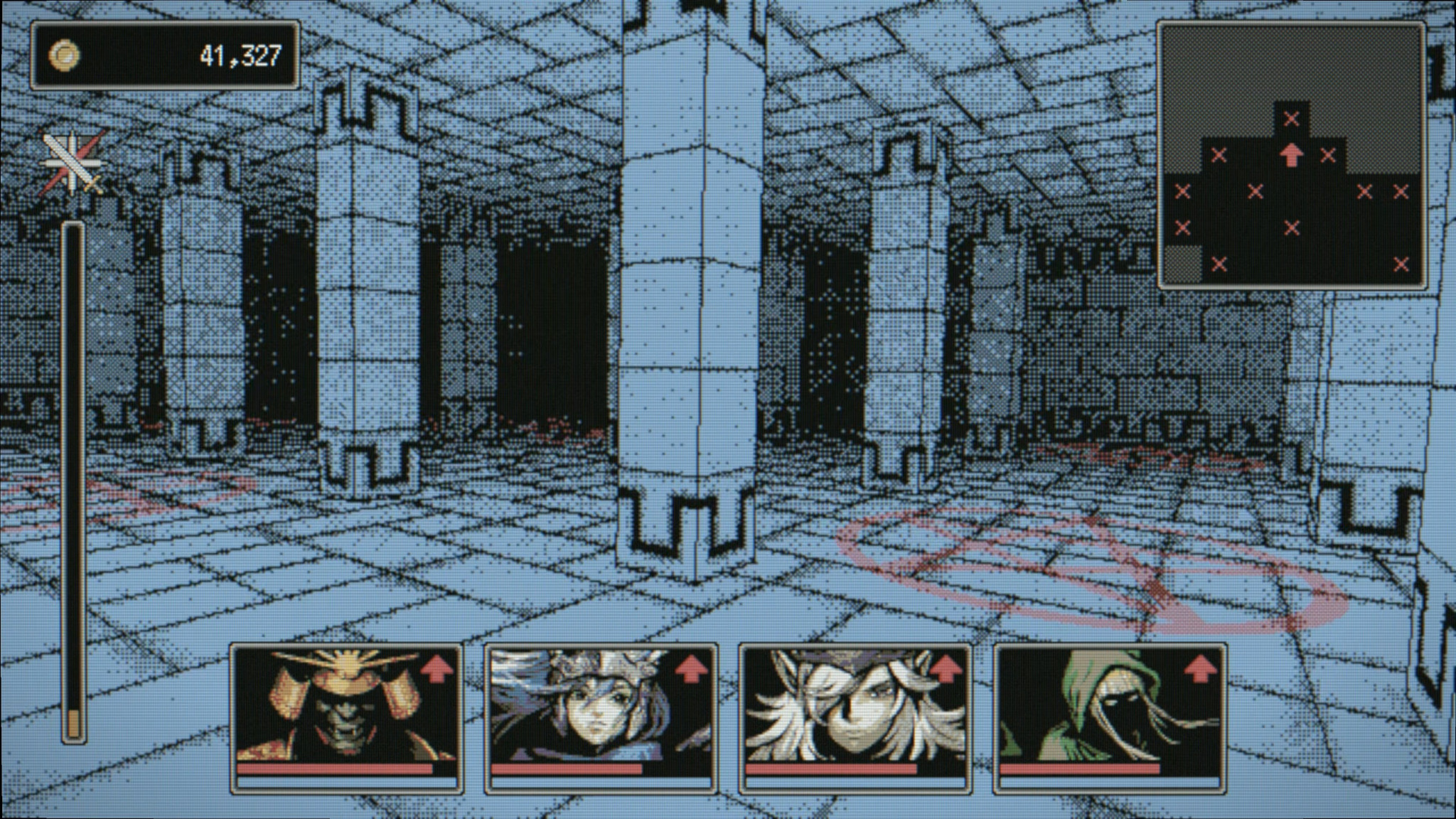
There isn’t much sense in me reexplaining what Dragon Ruins is at this point. As you can likely tell from the video clips playing, it’s a retro throwback dungeon crawler where combat is completely automated, and you merely control movement through different rooms. Stemming from the idea of being a “game for tired people,” the charm of Dragon Ruins is that it boils down old-school RPGs to their basest elements and delivers that experience in bite sized chunks. The original game was a 90-minute experience crafted around a single dungeon layout whereas Dragon Ruins 2 introduced different quests, new dungeons, new characters, and a whole host of additional RPG mechanics beyond simply walking and hoping for the best.
Dragon Ruins 2: Aftermath is so similar to the previous game that I could practically re-read that script and swap the game name and no one would be the wiser. It’s not like Graverobber Foundation hasn’t changed things here, but being that it is marketed as a standalone expansion to Dragon Ruins 2, Aftermath really does feel like more of the same. There’s new music, additional monsters, and a plethora of new skills and characters, but Aftermath largely follows the expanded blueprint from the previous sequel.
At first, I was a bit disappointed because I thought I was just repeating everything I had done a year prior. The very first dungeon is actually quite the ball-breaker, but despite some bizarre difficulty scaling there, the rest of the experience is eerily similar. You start by creating a party of up to four characters, then you select a quest from a list of increasingly difficult challenges before setting off to explore some ruins. The first notable change is that you can now take a blessing with you on each quest. These are an attack bonus, a defensive bonus, or a speed bonus. The three require gold to imbue on your party, but can help if you come up against enemies that just won’t die.
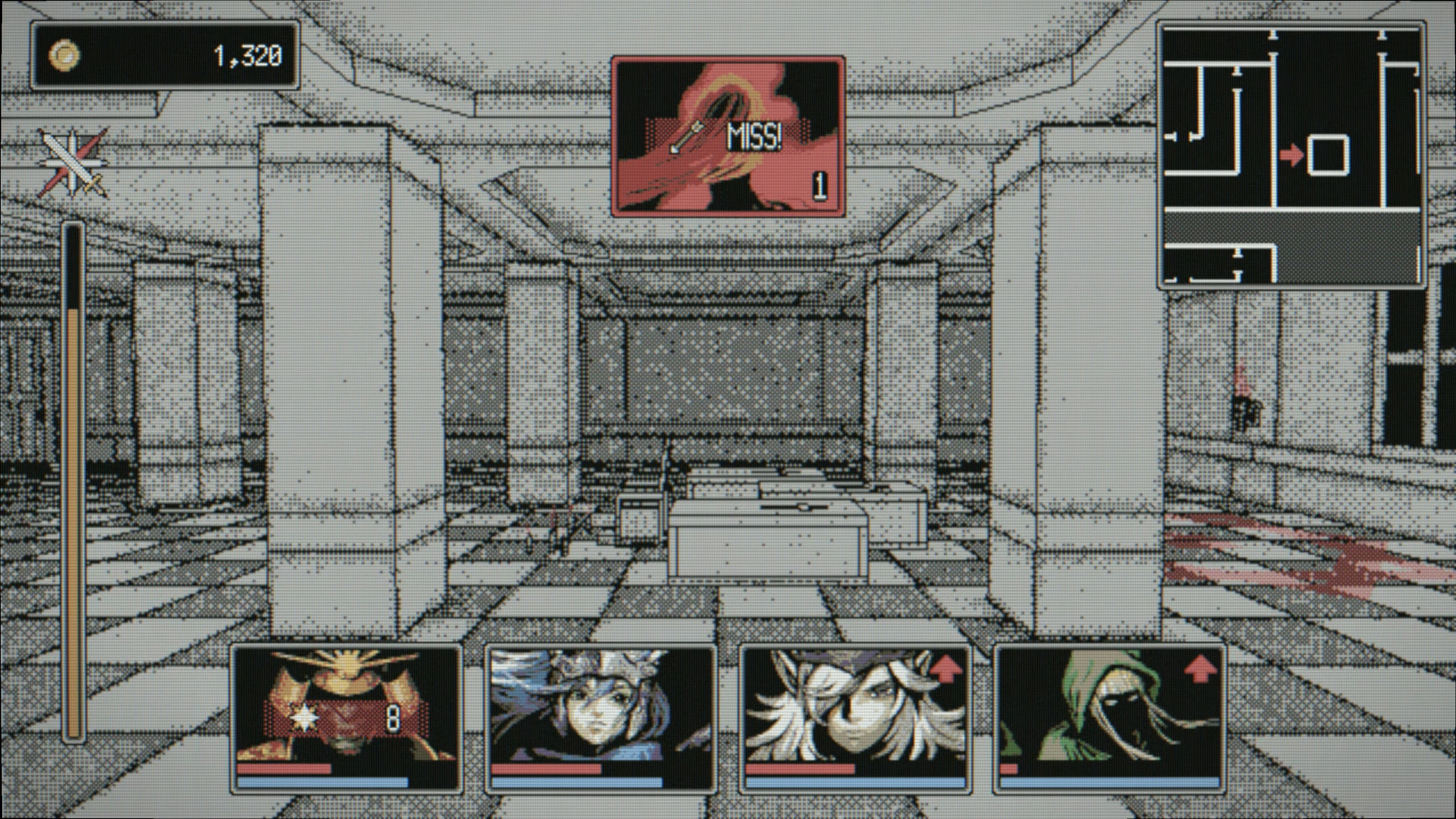
For the first couple of hours, that’s really the only difference I noticed. Where Dragon Ruins 2: Aftermath sets itself apart from Dragon Ruins 2 is with its character skills. I won’t claim that this is a radical reinvention of what came before, but new skills such as having your ultimate attack restore some health or movement revealing tiles surrounding you do speed up your progress through each quest. Despite being a game for tired people, Dragon Ruins 2 could drag a little by the end, so I did appreciate how Aftermath’s new skills made quests feel spiffier.
The way armor and weapons work has also been retooled a bit. You’re still going to collect increasingly stronger gear as you explore, but the game eventually starts to level off how much better gear can be, necessitating you visit the blacksmith to upgrade. While you’d think that would mean you can pick whatever you like and stick with it, the upgrades eventually become so prohibitively expensive that you’re incentivized to look at lower-level gear with stronger base stats and tinker with them. It’s cool to have a Dragon Sword +10 with 50 Attack and Speed, but when your newly found Shadow Axe starts with 38 Attack and 40 Speed, it’s clear that just a couple of upgrades will have it surpass your beefy blade.
The quests work similarly to Dragon Ruins 2 in that they will increase in difficulty to a certain point before looping back around in a +1 fashion, etc. I’m not sure why it took me until Aftermath to realize this, but you can enter the boss room, defeat it, then warp back to town to collect your reward. Since you used a warp scroll, when you select the next phase of a quest, it will place you right back in the boss room, meaning you just need to exit and re-enter to fight the boss again. It cheeses out questlines, which winds up making exploration kind of redundant, but it does mean you can clear out lower-level quests faster.
Saying all of that, I’m really out of things to talk about with Dragon Ruins 2: Aftermath. I struggled with writing this review simply because this standalone expansion is so similar to the previous release that it would feel silly repeating myself. In the time since I uploaded that video, Dragon Ruins 1 and 2 have wound up on consoles and are available to a much wider audience than before. Since more people likely know what the deal is, why should I sit here and give an in-depth breakdown of its gameplay systems? The game is marketed as being for tired people, so they probably won’t care anyway.
What I can contribute is my own personal feelings towards this series of tired dungeon crawlers. In a break from the bloat of triple-A game design, Dragon Ruins in all of its incarnations is a reminder of why I got into gaming in the first place. Sure, this medium can deliver deeper experiences with greater stories, more advanced mechanics, and a larger diversity of content, but I was happy as a kid playing Super Mario Bros. That game has hidden depth to it, but it is a ludicrously basic platformer on the surface. The mere act of movement, of running and jumping over obstacles, of grabbing the flagpole was enough to entertain me and turn me into a lifelong gamer. I certainly like more complex games, but complexity isn’t the only blueprint for making a memorable and successful game.
Dragon Ruins 2: Aftermath dials up the complexity a bit, but it’s still an overall simple game. I can get into other RPGs, but I start to lose interest when tinkering with gear, worrying about stat distribution, and exploring excessively large dungeons becomes the most important part. Dragon Ruins keeps that to a minimum while expanding the number of places you can explore rather than the depth you explore them with. It’s like returning to Wolfenstein 3D after playing modern shooters: it’s fun to strip everything away and bask in the pure joy of shooting a digital gun.
Aftermath is the best take on this idea yet, even if it can sometimes feel redundant after two previous games. I wouldn’t blame anyone for feeling burned out on Dragon Ruins, even if I happen to enjoy trekking through these each year. At times, I was left wondering if maybe this idea had been stretched too thin. I eventually remembered that a game can be an improvement while also being disappointing simply because of fatigue. I believe dipping into the same well too many times has resulted in Dragon Ruins losing a little of its luster.
Still, Dragon Ruins 2: Aftermath retains everything from its predecessors with some smart tweaks that make it the perfect entry point for newcomers. I do hope that for Dragon Ruins 3, Graverobber rethinks what is possible with the whole “dungeon crawler for tired people” concept. It would be a shame to cap off a trilogy with another safe, workmanlike installment.
0 Comments Add a Comment?