Rated PG Newsletter - Issue 10
State of Disarray
As a lifelong gamer, it’s been particularly difficult to watch Sony tear down the PlayStation branding it built up over 30+ years. What was once a story of triumph after being snubbed by the biggest giant in gaming has now become a tale of the top dog ripping its toys apart because it has no self-control. Players flocked to the PlayStation in 1994 for… well, mostly the cheaper games, but also because it was the first genuine shakeup to Nintendo’s dominance on a global scale. Nintendo may have lost some ground in the US to Sega in the early 90s, but the company had been dictating what home consoles were for more than a decade when the PlayStation finally released. Soon after, the iron grip of The Big N loosened, and history was never the same again.
My thoughts here were kicked off by the recent release of Wolverine, which seemingly feels like a game designed by committee to attract an audience that isn’t into video games. I cannot personally speak to the quality of it, so I will refrain from making assessments or declarative statements, but I’m not sure how else to explain a 15-hour title that is so afraid of letting the player get lost that it introduces multiple path-finding measures to ensure you stay on track. One of the great joys of video games is how player-directed they can be, even in the face of linear corridors or overly restrictive encounters. Removing that element doesn’t result in more fun, but a product that feels ashamed to call itself a video game.
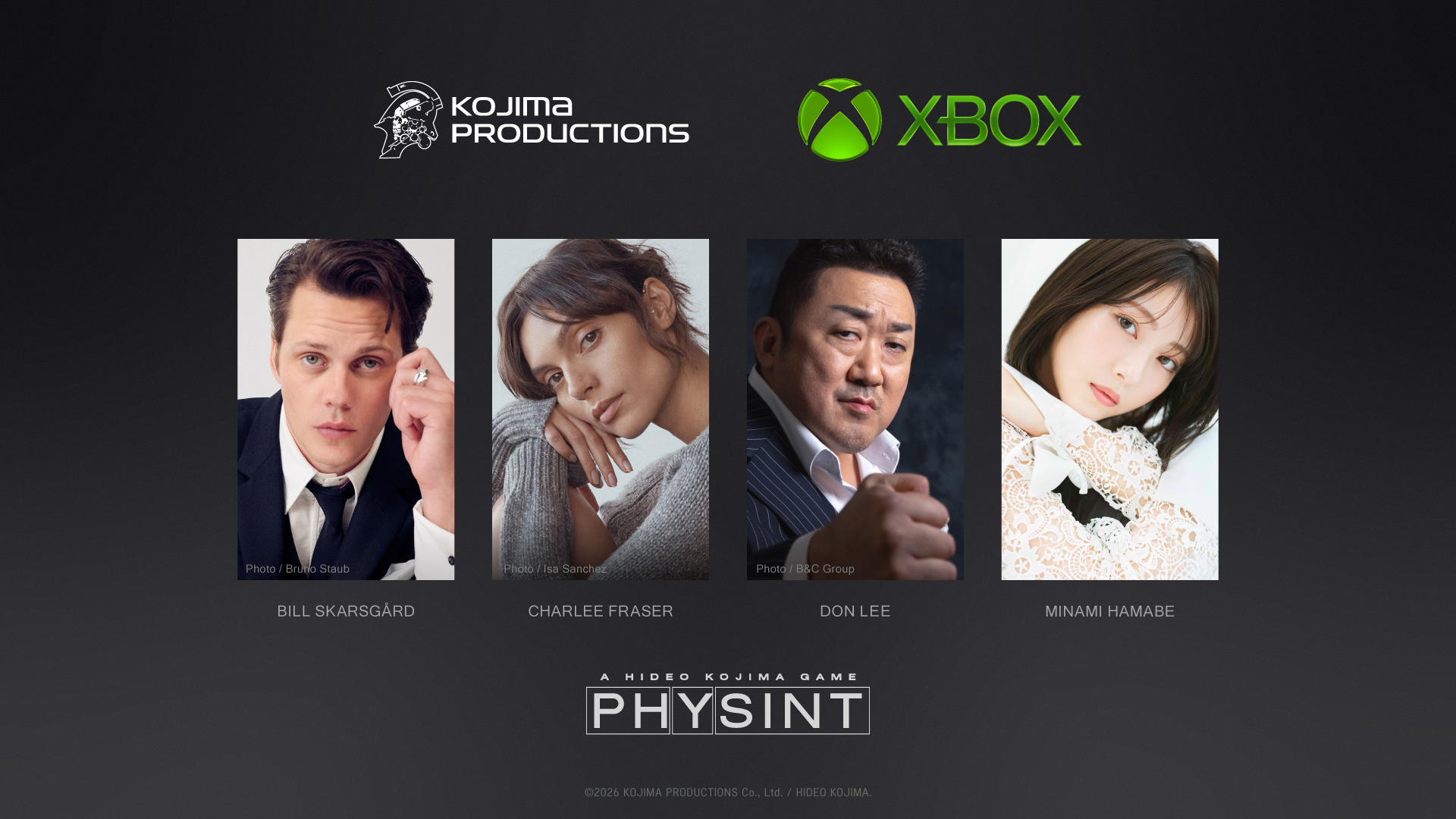
If you’re out of the loop on Sony’s recent company decisions, let me give you a quick refresher. In just 2026 alone, Sony has announced it will be ceasing production of physical discs for PlayStation games starting in January 2028, declared in a legal case that “reasonable consumers” know they don’t own digital games, removed over 500+ digital movie purchases from users accounts, and pulled out of its publishing deal with Kojima Games for the upcoming stealth-action title Physint. This isn’t even considering all the other bizarre decisions it has made since the start of the PS5 generation, which dates back to November 2020. To say I’m dismayed by all this would be putting it mildly, but I’m not going to devolve into a sprawl of curse words and euphemisms for bashing my head into the wall in this article. Maybe another time.
In discussions with my friends, there is one conclusion that continually comes to mind: Sony wants out of gaming. It’s the only answer I can think of when you consider everything the company has been doing to dismantle the PlayStation brand. While the PlayStation 5 has done particularly well on a global scale, Sony has practically abandoned its Japanese routes in favor of catering nearly exclusively to the Western market. Not only that, it has homogenized its in-house game design philosophy to something approaching films, pushing for “cinematic” experiences over purely gameplay ones and closing studios which delivered the opposite of that. I’m still not happy over the closure of Japan Studio, but I was truly baffled when Sony announced it had shuttered Bluepoint Games (which, coincidentally, happened this year) despite acquiring the company to specifically make exclusive titles.
Maybe some of this doesn’t add up to those out of the know, and for people with knowledge, it might seem like I’m overreacting to a game design philosophy that doesn’t interest me. While not 100% true that every Sony game is shooting for filmic ambitions, aping Hollywood has been a major part of what set Sony’s titles apart dating as far back as Uncharted in 2007. Even if we ignore that and focus solely on modern productions, Sony’s “video game” titles are full of winks and nods to cinema. It’s become so much of a core part of the brand’s identity that Sony opened PlayStation Productions in 2019 to adapt its games into films, which has now seemingly become the primary focus.
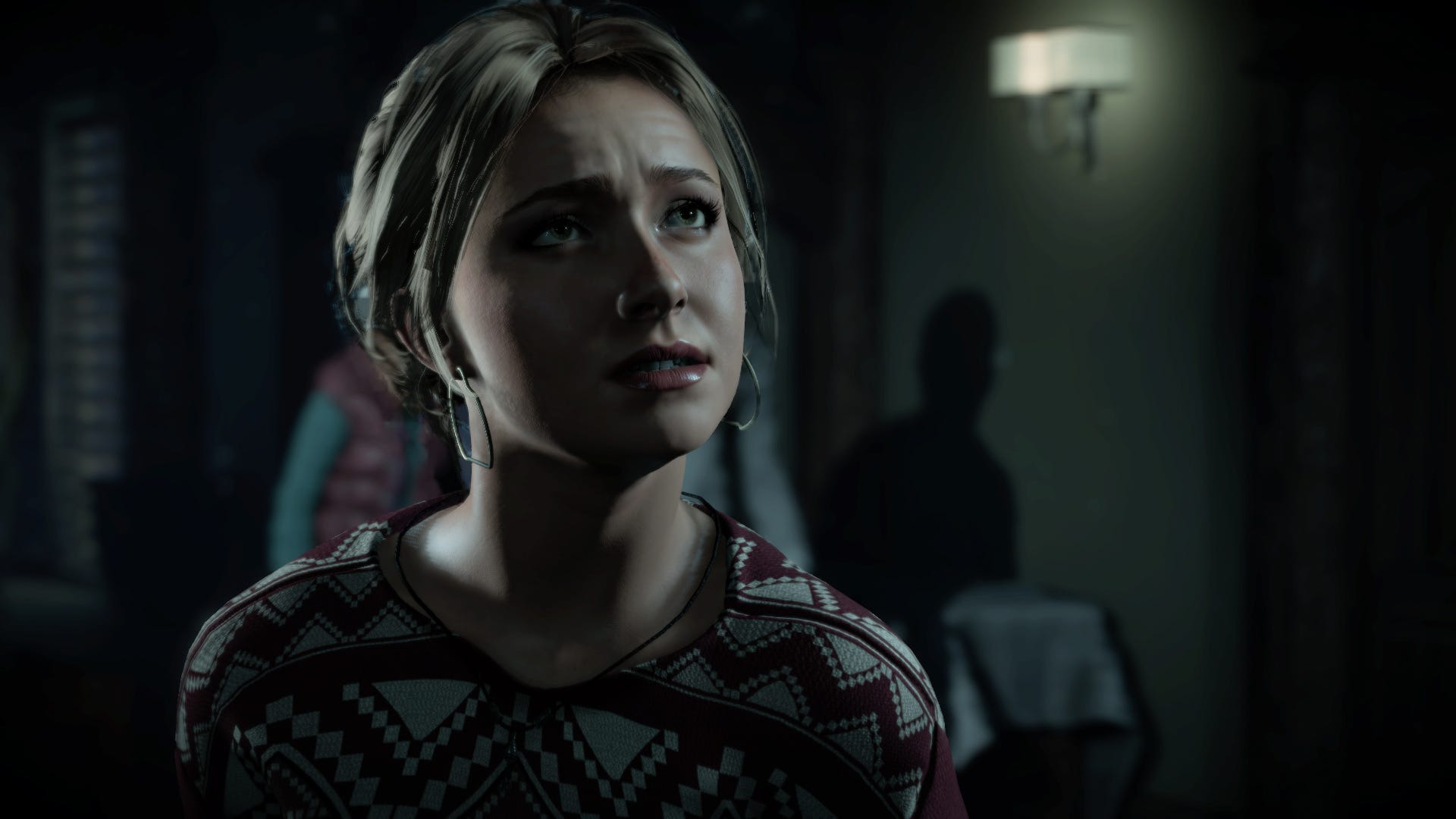
On its own, I don’t feel that opening a film production company with the sole intent of transposing video games to the silver screen is a bad idea. Even Nintendo has its own production studio, Nintendo Pictures, that it purchased in 2022. The difference here is that Nintendo’s company primarily works on the cinematics for use in games rather than trying to appease “adults” who feel games are for children. Sony’s company, meanwhile, has produced exclusively live-action movies which try to amp up the realism of its counterpart series to cater to crowds that feel animation is beneath them. Zach Cregger’s recent Resident Evil is a welcomed exception for embracing zaniness, but its other pictures include Uncharted, Gran Turismo, and Until Dawn. That last one is especially strange since the game not only featured a star-studded cast (including the late Hayden Panettiere, Rami Malek, Jordan Fisher, and Peter Stormare), but was created with the sole purpose to make an interactive horror film. The movie actually removes the one element which made Until Dawn unique.
This is a path that Sony has been going down for years now. In 2017, former PlayStation executive Jim Ryan made the claim that older PS1 and PS2 games “looked ancient” and questioned “why would anybody play this?” He would later attempt to apologize for those comments, but wound up putting his foot in his mouth by telling Axios, “I guess my big learning from all of this is that when Kazunori Yamauchi unveils the next Gran Turismo side by side with its history, that I will keep my mouth shut.” He may claim he’s not trying to be disrespectful to Sony’s heritage, but his words say otherwise. Sony’s refusal to acknowledge its own past doesn’t help, either, but then it brought Twisted Metal back … as a streaming TV series.
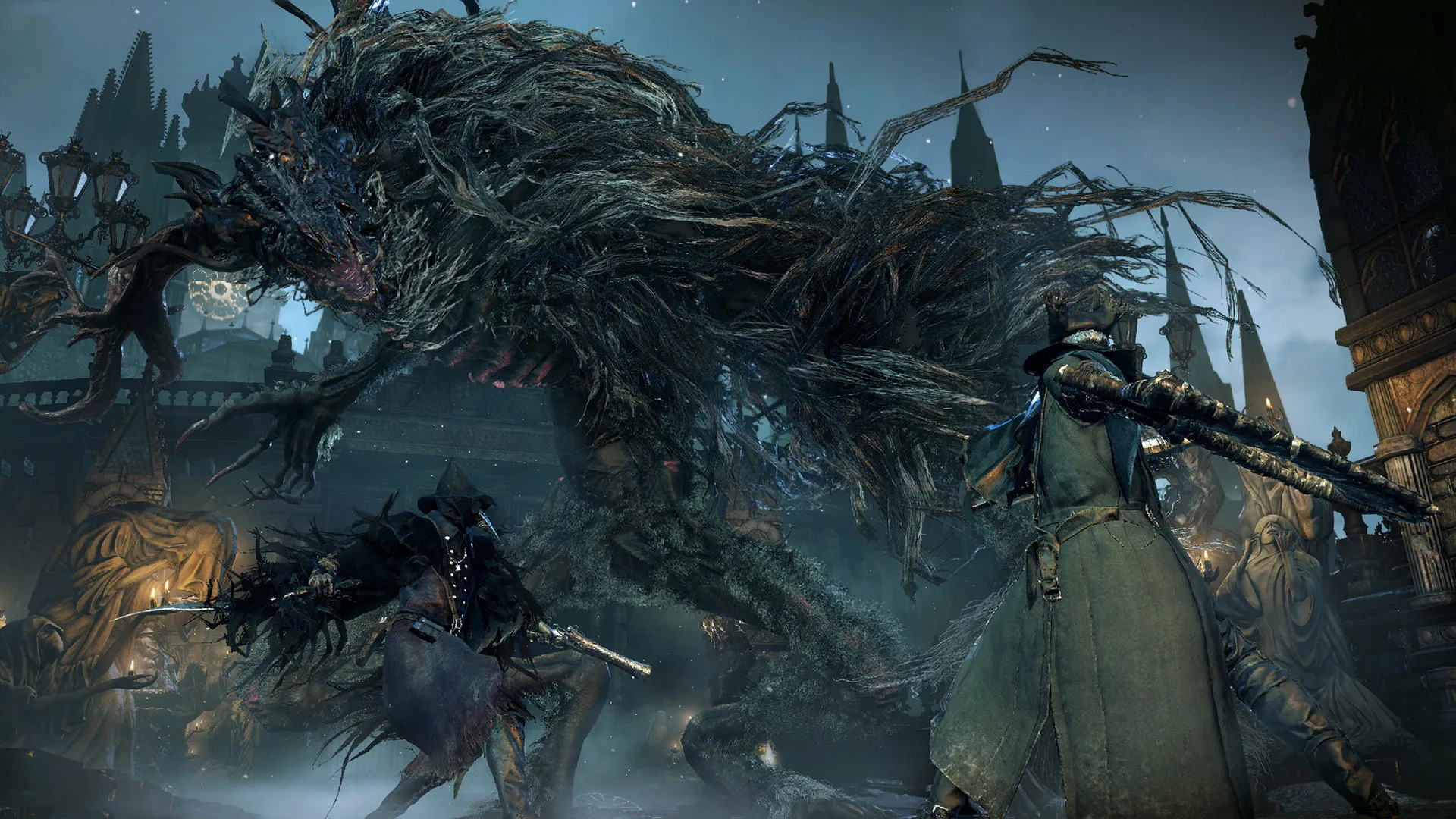
You see what I mean when I assert that Sony seemingly doesn’t want to be in games anymore. If you look at the productions it has going on with film, you see cult-favorite Bloodborne (a title Sony refuses to do anything with despite fan clamoring), Jak and Daxter, God of War, two different Ghost of Tsushima projects, Gravity Rush, and Days Gone. I’m really surprised by that last one, too, as the first game was basically buried by Sony for some unexplained reason. While that game’s co-director, John Garvin, has caused all kinds of controversy for blaming “woke” reviewers, getting pissy about tributes to Days Gone in Astro Bot, and blaming fans for not buying the game at full price, the other co-director, Jeff Ross, was correct that it initially sold better than Ghost of Tsushima (though his claim of eight million copies was proven false by an Insomniac Games leak in 2023). Still, Sony acted as if Days Gone was poison because … well, I guess it wasn’t cinematic enough. I wish I could give you an explanation as Garvin’s nonsense started a few years post release, so it’s not like Sony was distancing itself to avoid bad PR. Hell, it can’t even claim that anymore with how lousy this year has been for promotion.
If we look at the projects I mentioned as being adapted to film or TV, why is a legacy series such as Jak and Daxter included? Does Sony not believe creating a new game in the series would do more to excite PlayStation faithful than another streaming show? Why has Bloodborne been consistently overlooked for a remaster, but was chosen for a movie? How did God of War’s 2018 sequel, which was specifically modeled after war movies and Coen Brothers projects, get fast tracked for a TV series instead of its PS2 trilogy? I know some of this is spurred by the recent success of projects such as The Super Mario Bros. Movie and Amazon’s Fallout, but both Nintendo and Bethesda are still making games … well, Nintendo is anyway. Bethesda won’t be releasing The Elder Scrolls VI until 2028 at the earliest.
I have my issues with other gaming companies and publishers, but I chose to focus on Sony for one main reason: it was a brand I used to love. Going into the PS4 generation, there was an optimism that the failures of PlayStation’s previous leadership were ironed out completely. Sony really fumbled the PS3 reveal, and despite how it later would pass overall sales of the Xbox 360, everyone remembers the dreaded $600 launch price announcement. It was such a headstrong, ridiculous ask that was followed up by comments from former Sony CEO Ken Kutaragi stating the goal was, “for consumers to think to themselves ‘I will work more hours to buy one.’” Arrogance, thy name is Sony.
Still, I have such fond memories of the PS1 and how monumentally mind-blowing the PS2 was. Those two consoles nearly ensured I would be a PlayStation faithful over my love for Nintendo, but the company had such a seismic shift in the PS3 generation that it has never recovered from. The PS4 at least proved Sony wasn’t completely money hungry, but the shift away from iconic, legacy brands into newer series with a focus on realism pushed me out. Where is Ape Escape? Syphon Filter? MediEvil? Lemmings? Wipeout? Hell, even more recent stuff, what happened to Killzone or Resistance? It’s nice that Sony hasn’t driven these brands into the ground, but completely abandoning them to the past somehow feels worse.
With talk of the PS6 happening despite the ongoing global RAM crisis and inflated prices of PC components, I can only feel that Sony wants to shift the PlayStation brand into films since it knows that the future isn’t going to be bright. I don’t foresee a PlayStation 6 being a total bomb at retail, but with a potential launch price of $1,000, Sony is going to cut out a large chunk of potential players. It doesn’t help that its decision to axe discs entirely means players will only have one option for buying games, which is bound to turn off even more potential buyers. Sony needs to make up the difference somehow, and a shift into film production is a logical escape route. It just truly sucks as a fan of what PlayStation used to be to see this become the future that is most likely.
0 Comments Add a Comment?