Rated PG Newsletter - Issue 09
Twilight of the Warrior: The Golden Years
Operation Scorpio (Kit ji jin si, 1992), an early 90s throwback kung fu film directed by David Lai, is notable for a myriad of reasons, but one sticks out in my mind. It’s probably the most extensive role that legendary cinematic figure Lau Kar-Leung has ever had in a film. When most action fans talk about Lau Kar-Leung, they typically don’t bring up his screen presence or this movie, in particular. Lau is known for directing some of the best martial arts films Shaw Brothers ever produced, redefining action cinema for decades to come, and that is what has stuck out in the minds of viewers. Even to me, I recall his name more because of his work as a director and choreographer than a physical star despite his acting credits breaking 100 films.
He and his father, Lau Cham, were instrumental in cementing the legacy of actor Kwan Tak-Hing’s portrayal of folk hero Wong Fei-Hung, but he never played anything other than bit villain roles in the 50s and 60s. I won’t rehash his history as it’s been well documented for a while now. Everyone knows how he was a protégé under Cheng Cheh, helping give the influential director an edge against his contemporaries in terms of fight choreography. Whenever you recall epic battles from The One-Armed Swordsman (Du bei dao, 1967) Boxer from Shantung (Ma Yong Zhen, 1972), or Heroes Two (Fang Shi Yu yu Hong Xiguan, 1974), that’s all thanks to Lau. Chang Cheh may have put in a fatalistic, brutal edge, but Lau gave those movies believability amidst the bloodshed. Their eventual falling out put Lau behind the camera to realize his own vision of martial arts cinema, and it seems he felt more comfortable there. Despite continuing to appear in films until 2005, Lau mostly helped push others into the spotlight while honing his craft off-screen.
That doesn’t mean he gave up on appearing in front of the camera. In his second directorial film, Challenge of the Masters (Liu A-Cai yu Huang Fei-Hong, 1976), Lau portrays the film’s antagonist opposite his adopted brother, Gordon Liu. While the role is more a display of his physical talents than any kind of complex writing, it’s maybe the first time that audiences saw Lau for more than five minutes at a time. His character’s raison d'être ties into the film’s themes, which is that of martial virtue. While Lau’s Chen Erh-fu is villainous and ultimately deserves a decisive fate, Liu’s depiction of Wong Fei-Hong recalls the decade plus that Lau put into creating the definitive portrayal of the character. Just because a man has committed great evil doesn’t mean he can’t be rehabilitated, which plays out with Wong showing mercy and allowing Chen to turn himself into the authorities.
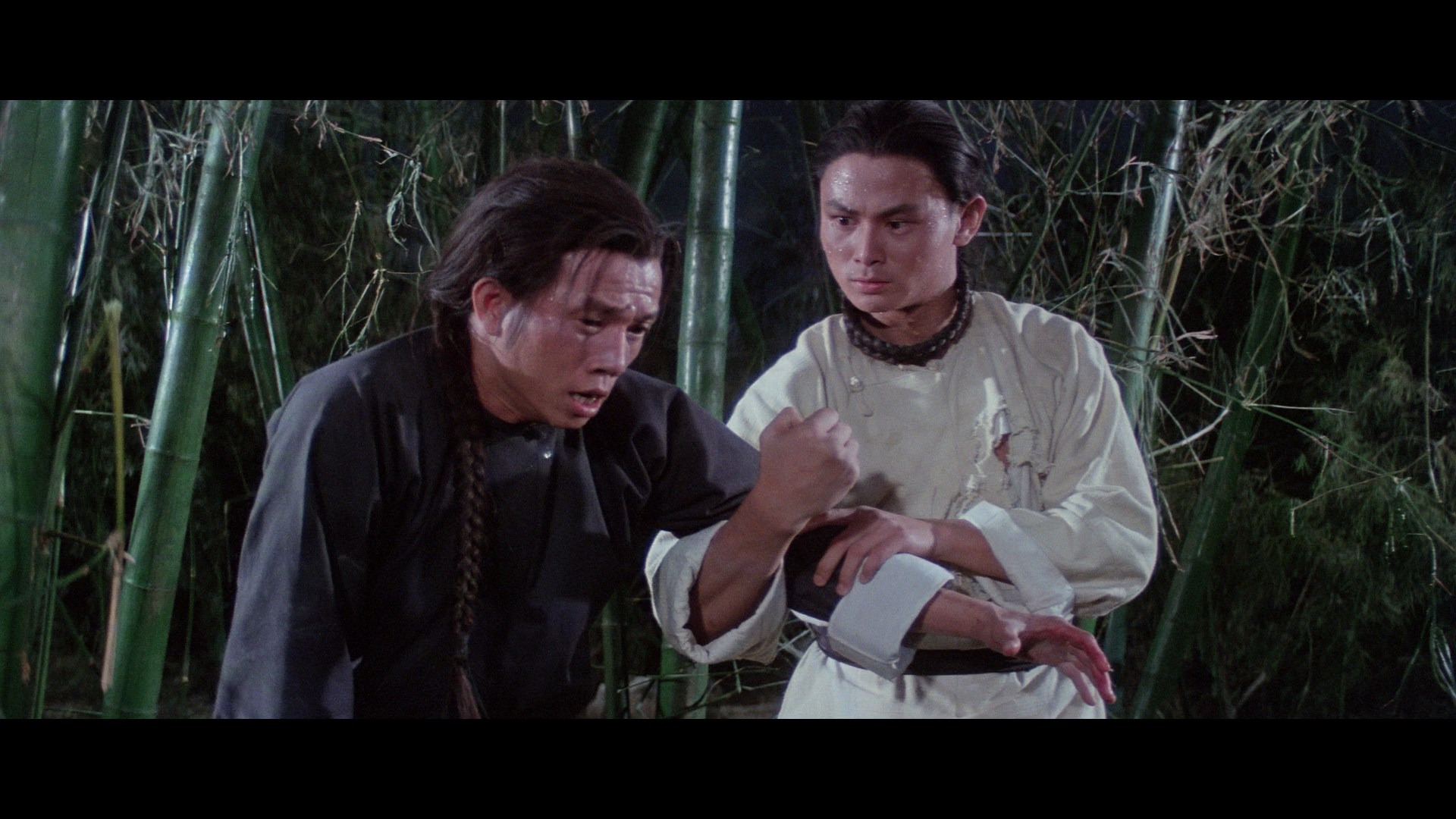
His next appearance is an uncredited cameo in Executioners from Shaolin (Hong Xi Guan, 1977), but it’s so blink-and-you’ll-miss-it that I don’t necessarily even consider it a performance. Lau was likely filling in for the stunt actors, or at least helping direct the flow of action from within the scene. It’s not until Heroes of the East (Zhong hua zhang fu, 1978) that he returns to an actual screen presence, here depicting a version of Beggar So in an extended cameo the same year that Jackie Chan wowed audiences with Drunken Master (Jui kuen, 1978). In a role eerily similar to one he’d play in a later Sammo Hung joint, Lau pops into guide Gordon Liu’s main character with a healthy dose of drunken boxing. Neither antagonist nor even teacher, Lau is primarily there to extol his philosophy on fighting and help get across to audiences that this film is wildly different from the current crop of action movies. Not a single character dies in Heroes of the East, with the entire moral being that both Chinese and Japanese martial arts are honorable methods of combat.
For the next few years, Lau would continue to place himself in front of the camera, making you wonder if he originally had aspirations of being an actor. Mad Monkey Kung Fu (Feng hou, 1979) sees him step into the role of a mentor to Hsiao Ho’s character, mimicking their real-life relationship as master and disciple, and this becomes the blueprint for most of his screen presence to follow. My Young Auntie (Zhang bei, 1981) bucks that trend a little, with Lau playing a significantly older nephew to Kara Wai’s titular auntie, but then he guides her through city life while she adjusts from country living. In a way, he’s a different type of mentor, though a more modern version. In Legendary Weapons of China (Shi ba ban wu yi, 1982), he is specifically an older master hiding from the martial world, a coincidence when relating to his actual relationship with audiences.
That archetype is where Lau stays for the rest of his career, save for brief cameos in films like The Thiry Million Dollar Rush (Heng cai san qian wan, 1987) and Twin Dragons (Seong lung wui, 1992). Perhaps it’s his own ego that wouldn’t allow him to portray anything else, but I’m not quite convinced of that. By all accounts, Lau was known to be humble. It was really others who propped him up on the pedestal he rests today. When you look at how Sammo Hung cast him in Pedicab Driver (Qun long xi feng, 1989), Lau’s character contributes nothing to the plot and simply exists to demolish Sammo in a fight before Sammo moves on. The Hong Kong film industry had a habit of typecasting actors to appease audiences, and it seems everyone within in the industry recognized the immense martial arts prowess Lau held. In real-life, Lau would beat you, so why not maintain that on screen?
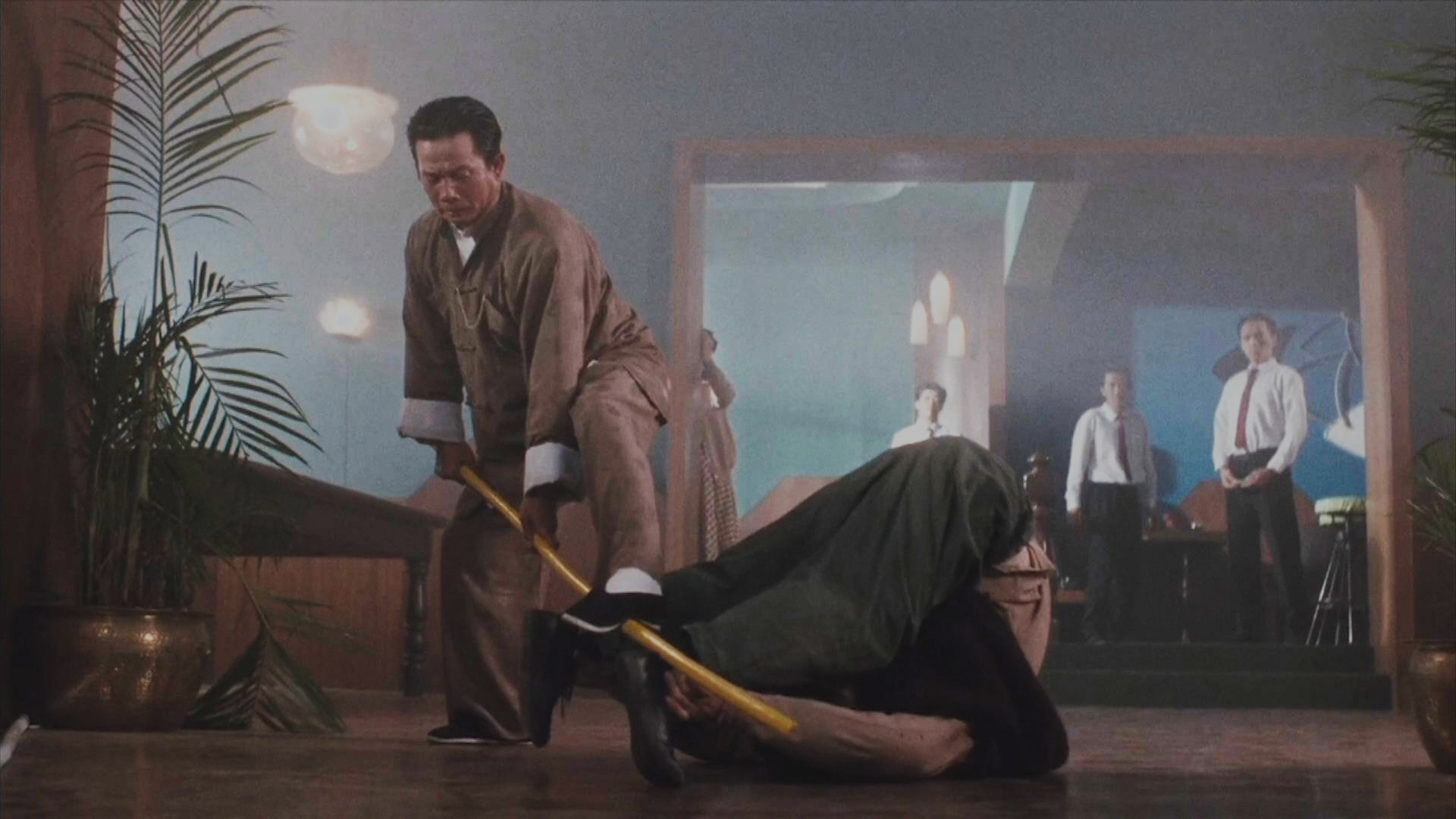
I think that is what makes his appearance in Operation Scorpio so special. As Johnny Burnett (aka The Fanatical Dragon) states in his essay for 88 Films’ recent Blu-Ray release, Lau’s performance is one of his “most heartbreaking” in terms of his entire career. Once again, he is playing an older master in self-imposed retirement, but Won Jin’s villain has Lau’s character crawling under his legs and eating food off the ground at one point. Knowing how proud Lau was of his martial arts legacy, not to mention how venerated he has become over the years, it’s an incredibly difficult scene to watch in retrospect. I didn’t have most of this context the first time I saw the film some 20+ years ago, but I get teary-eyed seeing it now.
That sentimentality comes from knowing Lau’s post-Shaw Brothers: he never seemed to recapture the magic he was once capable of producing. The late critic Tony Rayns documented how Lau despised working on Martial Arts of Shaolin (Nan bei Shao Lin, 1986), failing to get along with the cast and generally finding mainland China a difficult environment. I’m not sure if the downfall of Shaw Brothers really hit Lau hard, or if it was a mixture of a changing cultural landscape, the passing of one of his closest pupils (Alexander Fu-Sheng), and his propensity for traditional martial arts that sank him. A lot of people are fond of Tiger on the Beat (Lo foo chut gang, 1988), his first post-Shaw film, but there is nothing in that movie that even feels like a classic Lau Kar-Leung picture.
Druken Master 2 (Jui kuen II, 1994), his long-awaited collaboration with Jackie Chan, could have been an absolutely glorious return to his golden days, but on-set disagreements between Lau and Chan saw him completely exit the picture and quickly throw together an unofficial sequel in retaliation. Drunken Master 3 (Jui kuen III, 1994) was released in the same year and, by all accounts, is Lau Kar-Leung’s worst film. It has a solid enough finale, but the film is so unfocused, so devoid of depth and stakes, that it comes off like a pale imitation of what Lau typically nailed so well in the 70s. There’s no interrogation of gender politics or a passing on of the oral tradition of martial arts. It just transposes what Jackie Chan was doing to Willie Chi, but with terrible comedy stitching together story beats.
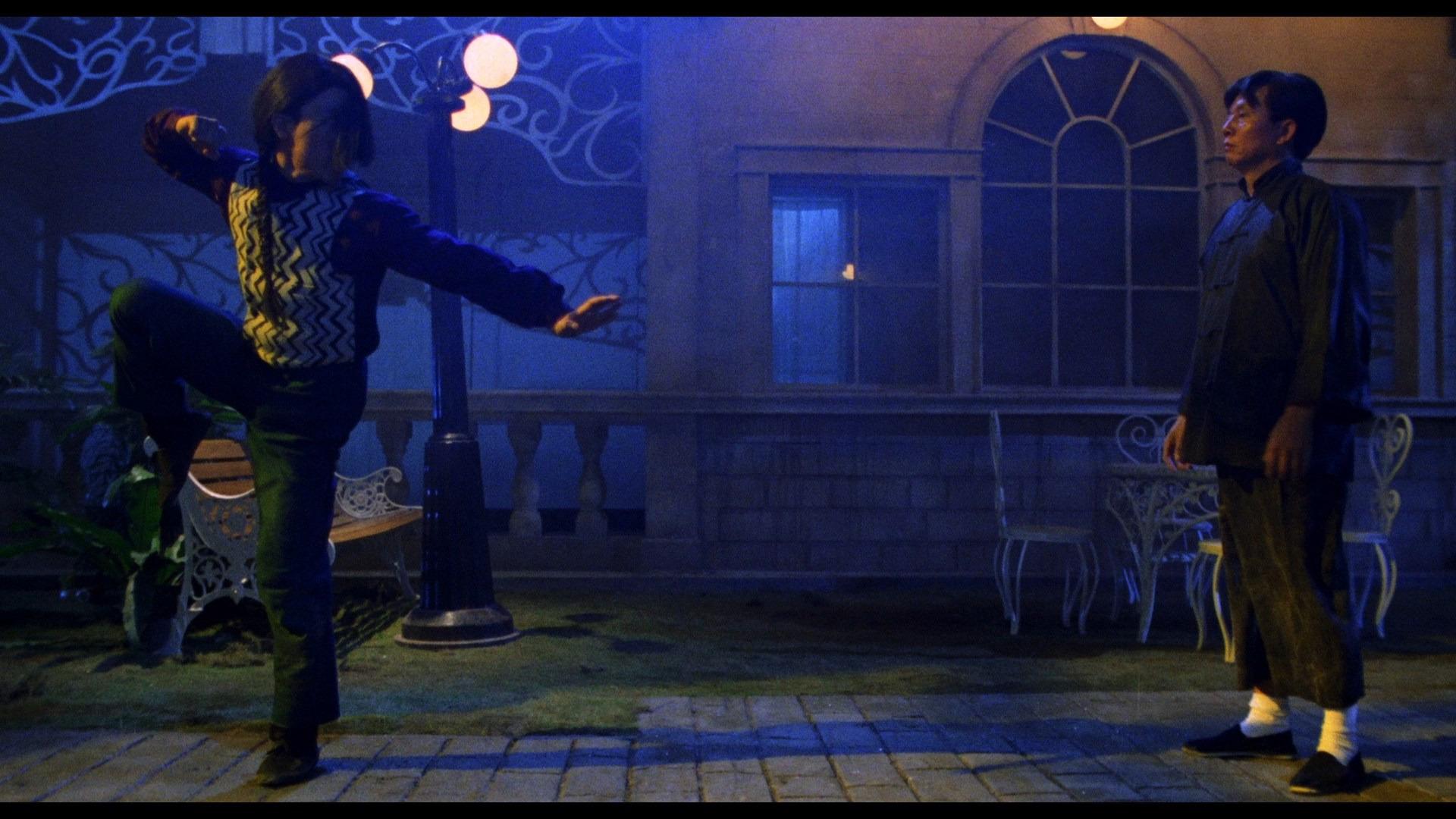
What’s interesting about these two movies, however, is that Lau’s character in them is once again an older master passing on his knowledge to younger students. Despite finally freeing himself from the studio system and even appearing in modern-day films, Lau never shed his on-screen identity of being a kung fu master. There aren’t many roles post Drunken Master 3 to point to, but both Drunken Monkey (Zhui ma lao, 2003) and Seven Swords (Qi jian, 2005) see Lau playing the hits to audiences. By 2005, Lau was 71 years old, so there likely wasn’t any other role he could convincingly portray, but he never even tried. To him, martial arts was his life, so why should he change that despite being an old man?
If I were to ask myself why audiences and fans of classic Hong Kong cinema never bring up Lau Kar-Leung as an actor, maybe the answer is simply because his on-screen range was so limited. No one is ever going to take away the achievements he did for both HK cinema and global action cinema at large, but despite being immensely talented behind the camera, he never quite translated that to an on-camera persona. That’s why I believe Operation Scorpio stands as a must-see for fans of his work: it’s the one time you get to see Lau not only flex his prowess as a combatant, but also stretch his acting chops to their limit. It shows us how capable he was in both positions, which winds up also being a reminder that we never got to see him do this more often.
0 Comments Add a Comment?