NYAFF 2026 Review: Night King (Director's Cut)
You’d think that as I slowly approach my 40s, my love for nostalgia would grow to all-consuming proportions. Instead, I’m experiencing the reverse of that sensation. Maybe it’s from my gaming background, but we have enough love of the past going around to sustain even the most incurious players/viewers for the rest of existence. Rewatching classics is more accessible than ever, so there’s no need to constantly view life through backward facing lenses. We need to push forward and create new experiences that the youth of today will remember rather than try to reheat stuff we grew up with.
I didn’t realize Night King was a nostalgic throwback when I decided to watch it. I was mostly intrigued by the fact that it has become the third-highest grossing Hong Kong film of all time (at a staggering HK$113,000,000), beating out a bunch of modern successes and every classic film ever released. The closest classic film to Night King would be Kung Fu Hustle, which is not only not that old, but earned roughly half of what this film has.
This movie has to be special, right? Well, I suppose it is in one way, being that it isn’t afraid to look forward after dipping into the past. It also avoids a lot of the issues I brought up about Twilight of the Warriors: Walled In a few years back (which, coincidentally, is the fourth highest-grossing HK film of all time), which is nice. I just would have preferred if this new Director’s Cut got to the damn point faster.
Night King (Director's Cut)
Director: Jack Ng
Release Date: February 17, 2026 (HK), February 20, 20206 (US Limited), July 19, 2026 (NYAFF Director’s Cut)
Country: Hong Kong
It must be noted up top that the version of Night King available at this year’s New York Asian Film Festival is the “Director’s Cut.” The original film runs 132 minutes, which is certainly a hefty film. This Director’s Cut, however, is a staggering 161 minutes and has likely contributed to why I’m not so hot on it. Supposedly, a rough cut was nearly four hours long, and I am begging editors to understand that less is more. Anyway, some of my complaints aren’t in the original cut, and I kind of wish I watched that instead.
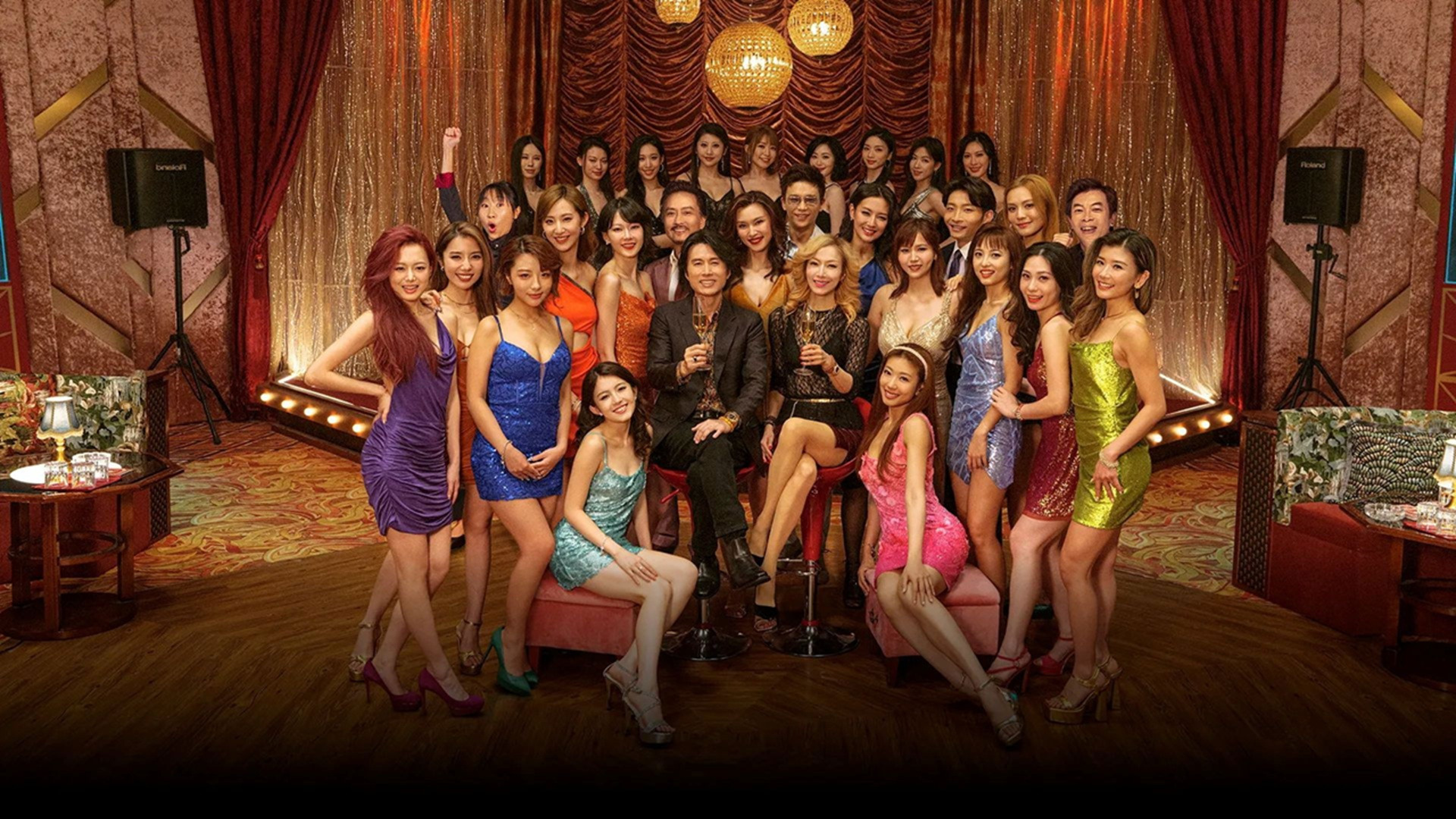
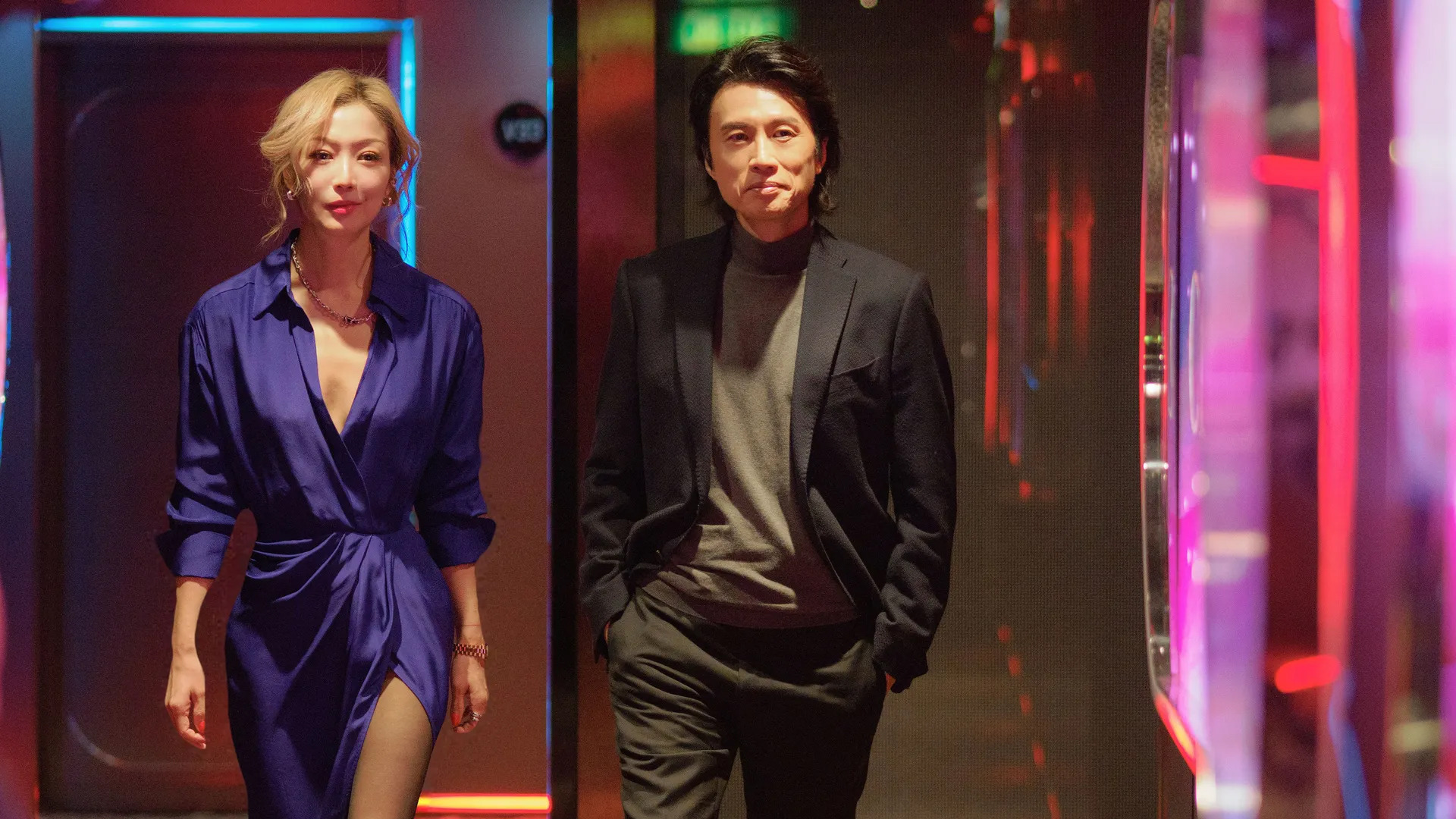
Night King is set in 2012 at a fictional club called EJ. One of the last grand hostess clubs in East Tsim Sha Tsui, the club is run by Foon (Dayo Wong) with a “talent-first” policy. While business is tanking a little, Foon won’t fire anyone because he believes the people are what make EJ special. That doesn’t fly when his ex-wife, Dame V (Sammi Cheng), comes into the picture as the new CEO of EJ. She gives Foon 30 days to improve things before she starts axing under-performing hostesses.
While painted in a nostalgic glow, the basic plot for Night King is surprisingly relevant to modern society. Across the globe, capitalism has ravaged otherwise decent businesses because “number must go higher.” If you know anything about the games' industry, you’ll have seen it in full force over the last six years. Just a few weeks back, Microsoft laid off 1,600 employees from its gaming division with a further 1,600 set to be laid off over the remainder of 2026. To executives, money is the only thing that matters. Upending someone’s life just because it might save $0.02 is preferable to not having two pennies.

The push and pull between Foon and Dame V is compelling, too. Both Dayo Wong and Sammi Cheng give great performances that cut to the very root of why the couple originally separated. While the first hour can be a bit slow (likely because of added scenes), when it eventually settles on this couple’s feud, it hits on some very raw emotional content. Foon is a bit too sentimental, but then Dame V is overly surgical. The duo couldn’t reconcile despite having each other’s back before.
Eventually, the story progresses to where the two reconnect and attempt to fight off a potential buyer. A rich playboy with a chip on his shoulder, Prince Fung (Siuyea Lo), is out to prove his father that he is smarter and more capable than his sister, forcing the couple to come together once more. Foon and Dame V team up with their line-up of workers to stop this, which plays out almost like a spy thriller. It’s a fun story, but the director’s cut introduces so many extra wrinkles that it bloats out what is otherwise a simple story.
I’m skipping a lot here, but clearly a hostess club is nothing without its workers. There is a roster of some up-and-coming Hong Kong stars here, including Renci Yeung as Bobo, Amy Tang as Yui, Mandy Tam as ChiLing, Sumling Li as Crystal, Louise Wong as Coco, Fish Liew as Mimi, and Kay Choi as Kwai “Franchesca” Fong. I’m not quite sure how the theatrical version handled this, but the director’s cut introduces character specific plot lines for each of them that, while appreciated in giving depth, ultimately distract from the overall theme of the movie.
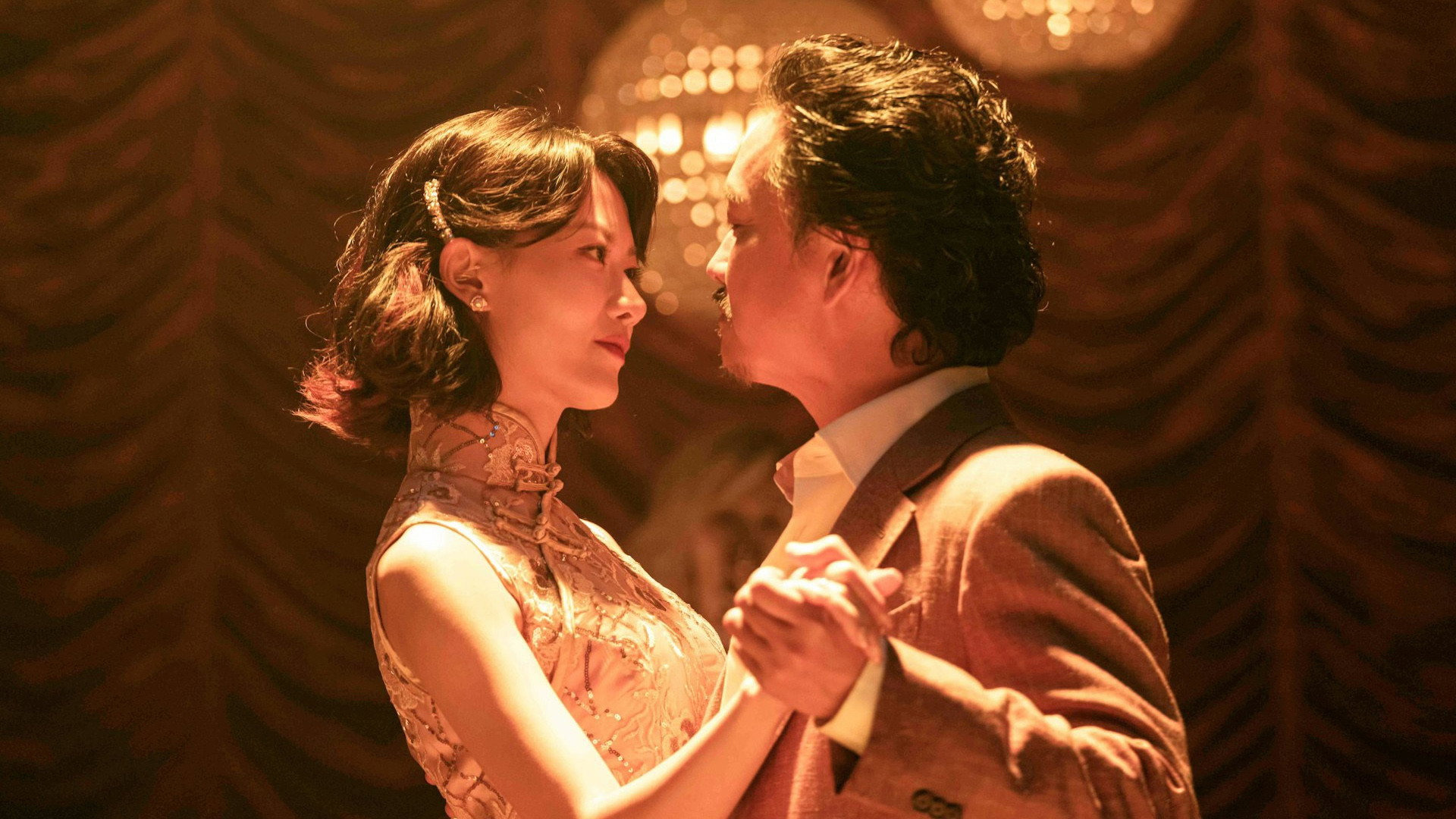
As should be evident to people familiar with Hong Kong’s history, Night King is a metaphor for the economic decline the country is currently facing. Despite being a throwback to the “good old days,” it hits on how the entertainment industry has been fading due to hostile takeovers from outside players. Prince Fung is more than just a jackass rich kid; he represents foreign influence manipulating Hong Kong to fit its needs (i.e. China). He doesn’t care about what EJ represents more than proving he’s better than a woman. He also wants to leverage EJ’s staff to expand into other parts of Asia, namely Vietnam, to capitalize on their growing economies. It simplifies things, clearly, but Fung is capitalism personified.
With nearly 30 extra minutes, though, Fung doesn’t feel as strong of a threat as he should. The extra plot lines are more about the societal problems the girls face, which can somewhat be related to economic decline, but are more about women’s rights. Crystal, in particular, reveals to Dame V that she was sexually assaulted at a young age, which destroyed her self-worth. Dame V then tells her become a mama-san to regain some control, not to mention help other girls from suffering the same fate. That’s touching, but I’m not sure how it plays into Fung’s hostile takeover, especially since Crystal is otherwise not present in the story.
Bobo also has an expanded presence, and it winds up going nowhere. Bobo becomes involved with Ace (Dee Ho), a stockbroker who feeds her information to cheat the stock market. While he does eventually plot with Foon and Dame V to prevent Prince Fung’s takeover, him double-teaming Bobo with his friend seems more vulgar than anything. Sure, the nightlife leads to romantic trysts, and a good portion of Night King highlights the struggles hostesses face with divorcing their emotions from clients, but Bobo’s sexual encounter doesn’t build to anything. Maybe I’m sounding prudish, but I fully understand why this was originally cut.
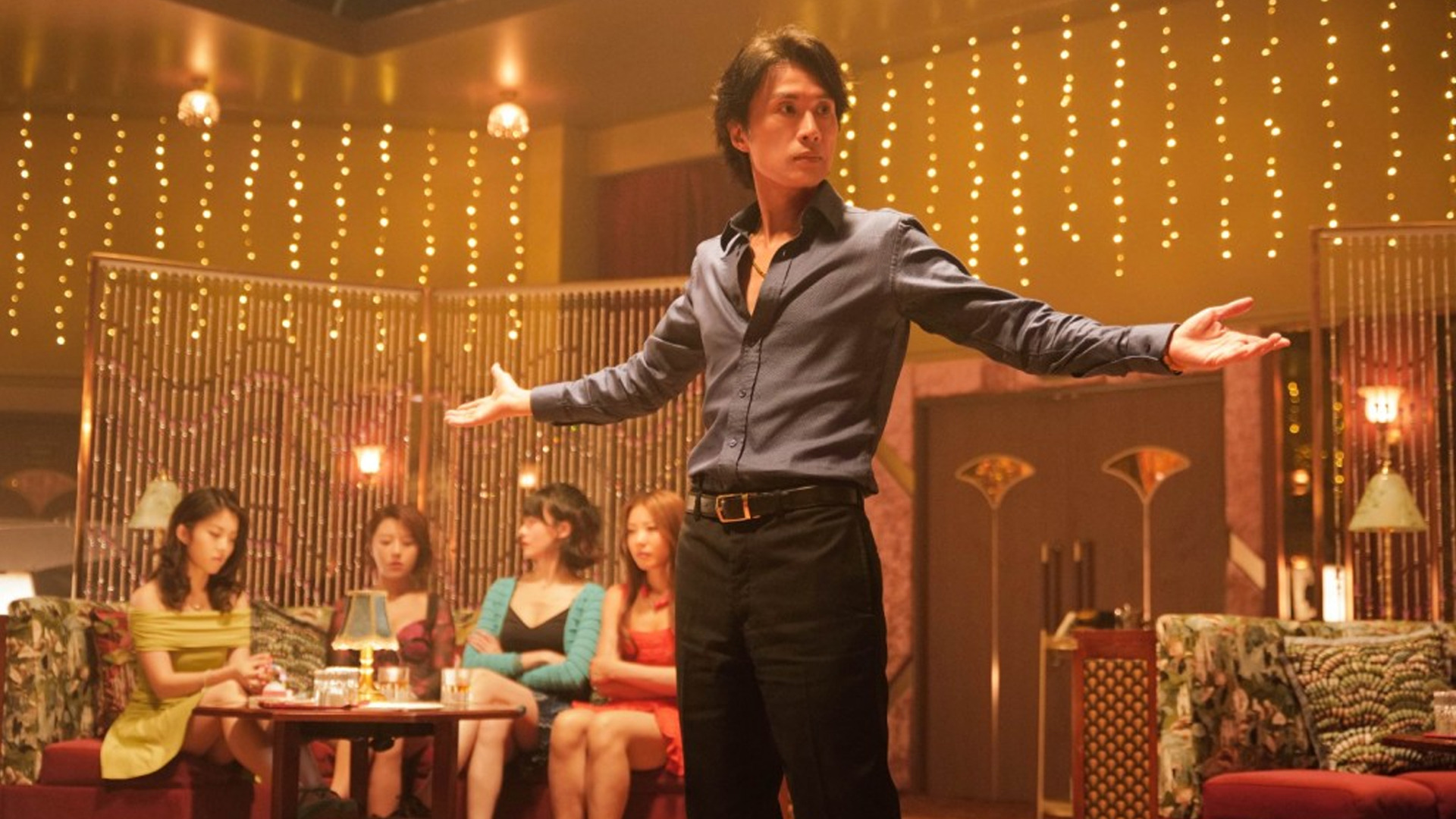
On a more positive note, I really do love that Foon is very much in favor of worker’s rights. That’s more of a global concern, but the working class has been fighting back for years now in retaliation of lower wages. Foon can’t necessarily provide higher pay to his workers, but he understands the value they bring to the company. An early conversation with some girls has Foon tell them to leave because another club will pay them more. He then states he wishes they wouldn’t because no other club will respect them like EJ.
There’s also this beautiful conversation Foon and Dame V have when Prince Fung pulls the rug out from under her. Staring into the Hong Kong harbor, the two reminisce about why they got together and what they hoped to achieve in their youth. While time isn’t on their side, Foon points to some of the high rises and notes that other people have things worse, but they aren’t giving up. Figuratively, it’s a call to action for Hong Kongers to continue persisting in the face of oppression.
But then Foon has a subplot with Mimi where she’s sexually involved with her. As I said before, parts of Night King hit directly on the mixture of work and pleasure and the emotions that can arise, but Mimi’s one-sided love is spread out too far because of all the additional scenes. Taken in a shorter format, I could see this subplot having an almost Wong Kar-wai quality to it, especially with how it ends. When Foon and Mimi don’t interact for over an hour, though, it almost seems like a one-time thing that then grew into an obsession instead of being a legitimate love triangle.
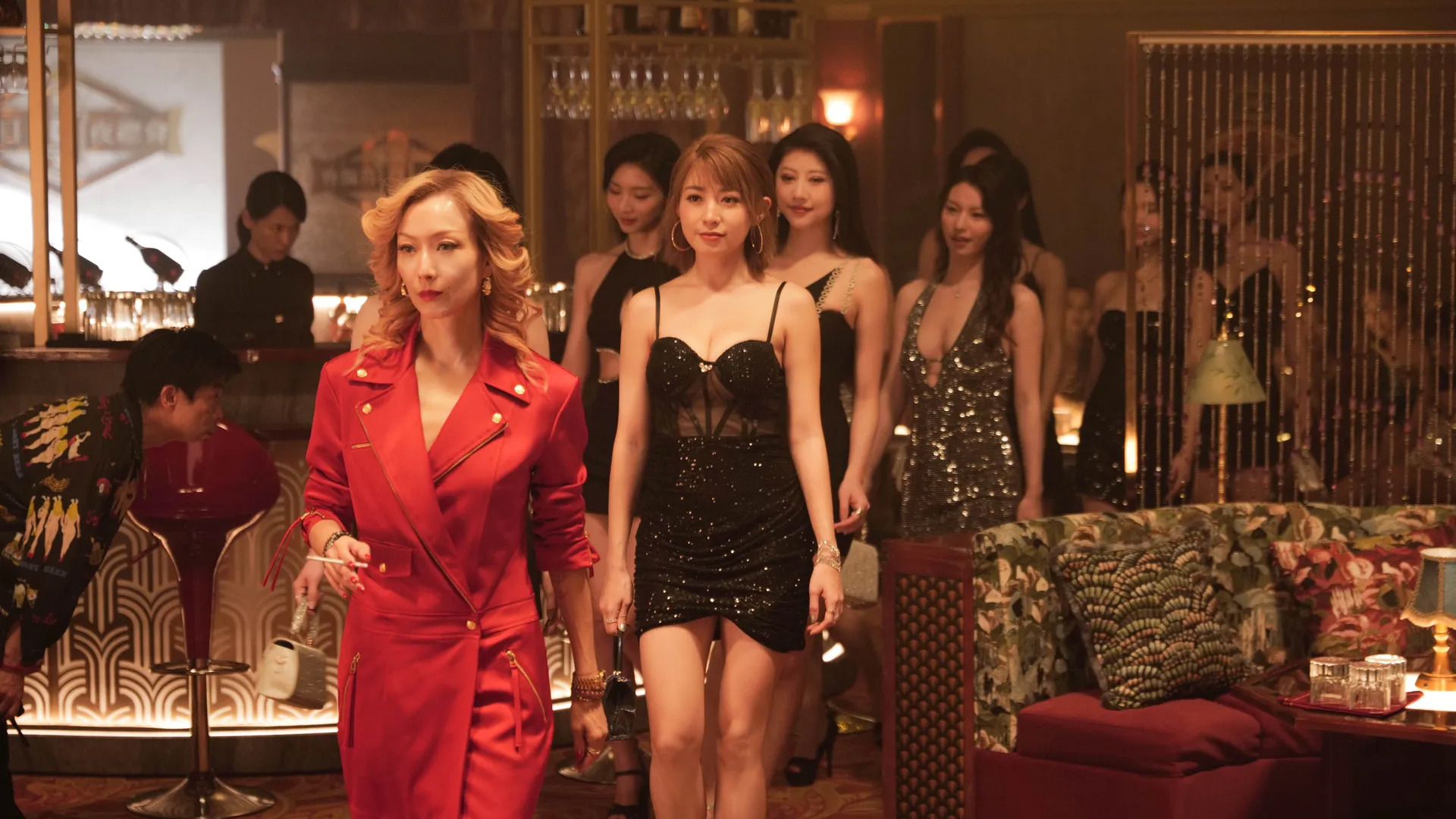
A lot of this review is me picking things apart, but I do believe there is a good movie buried within Night King. Hell, I’ll compare it to Gladiator since I’ve recently rewatched that. Initially a long film (Gladiator is two and a half hours long), an Extended Edition added 16 minutes and inched the movie closer to three hours. It’s not awful, but every addition is unnecessary and detracts from the otherwise tight, considered pacing of the theatrical cut. I feel like Night King has suffered that with this Director’s Cut. Mega fans will appreciate the extra footage, but almost all of it is not in favor of the story. It mainly exists to be more.
I can’t speak to the veracity of Wikipedia’s plot summary, but it seems the ending is even different in the theatrical version. There’s almost a sequel baiting quality to how the Director’s Cut concludes, though the ultimate message is that Hong Kong will prevail through any kind of hardship. For a retro love letter, Night King does impart that looking forward is how we’ll regain the quality of the past, which is refreshingly modern. I’m just not sure if the movie originally closed with a surprise second villain who usurps control at the eleventh hour.
The question I posed in the introduction to this review was, “This movie has to be special, right?” In a tighter format, I can see why people enjoyed the nostalgic charm of EJ’s design while resonating with the message that people are worth fighting for. I’m not surprised to see critics cling to this movie, even if some of it can be described as popcorn entertainment. Where my confusion mostly arises from is this Director’s Cut, which extends the film with scenes and plot lines that feel disconnected from the main narrative. Not every moment in a film needs to be story related, but it should work in favor of a theme or message rather than just existing. Put another way, there is a reason why editors remove sequences when preparing a film for a theatrical run.
Night King is probably a very good movie in its original format. With this staggering Director’s Cut, though, I’m left a little dumbfounded. It suffers too much from disjointed pacing and bloated subplots to feel like more than a failed experiment. I am not surprised to learn that a bunch of those subplots were cut before release, which likely contributed to strong audience reactions. One day, I will track that version down to see how it compares. As for this version, however, I would say it’s unnecessary in the grand scheme. Not a total disaster or anything, but it comes off as a film that clearly needed editing.
0 Comments Add a Comment?