NYAFF 2026 Review: Mr. Hero
One of the most common moral quandaries in film is the test of a parent’s love for their children. Countless stories have been told about the lengths individuals will go to provide for and protect their offspring, which often results in someone stealing from or killing another person. It’s such a prevalent trope because it’s simply effective at setting up stakes without much backstory. Anyone with a beating heart and conscience doesn’t need to be told why a parent wants to defend their kids.
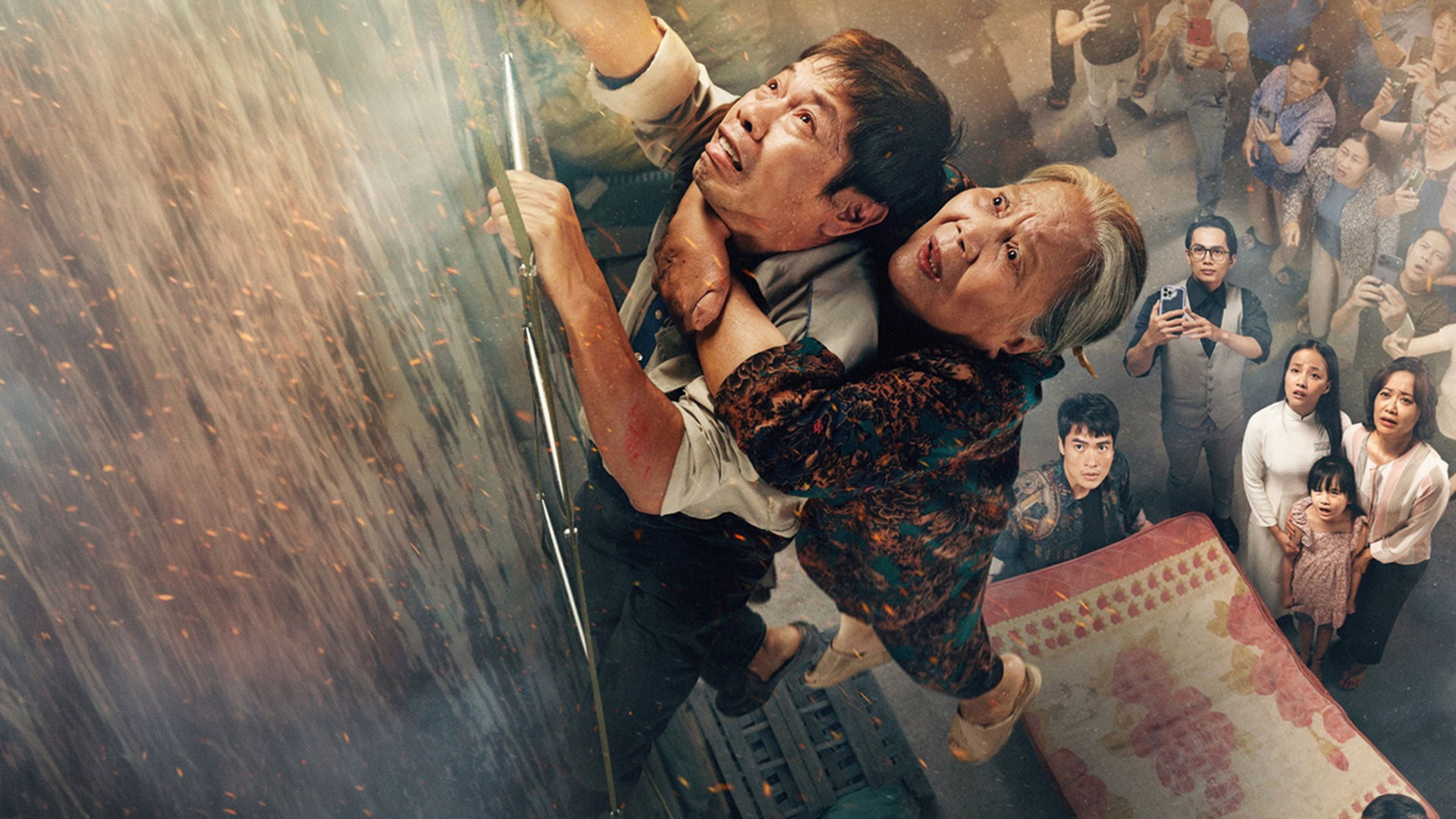
That dilemma is the central conflict at the heart of Mr. Hero, the debut feature film from director Võ Thạch Thảo. If your child was dying from an ailment, would you stage a fake rescue to garner internet fame, and thus fortune? Seemingly inspired by the real-life story of Nguyễn Ngọc Mạnh, a man who saved a baby falling from the 12th story of a building, Mr. Hero ponders about how internet culture warps our perception of heroism into something memeable.
Apart from some hand wringing done to get to the conclusion, Mr. Hero nails it, too.
Mr. Hero
Director: Võ Thạch Thảo
Release Date: April 24, 2026 (Vietnam), July 13, 2026 (NYAFF)
Country: Vietnam
There’s a lot of set up in Mr. Hero’s first act to really establish the overwhelming situation that main character Anh Hùng (Thái Hòa) feels in his life. A rather poor taxi driver in an unnamed Vietnamese slum, Hùng is a single father desperately trying to make ends meet in an economy that completely overlooks him. Caring for his teenage daughter, Hân (Phương Thanh), and six-year-old Bé My (Gia Tuệ), there’s an extra layer of bullshit added to the pile in that My is sick with liver failure. The film begins with Hùng driving to the hospital before getting stuck in some traffic. The crowd is watching as a man courageously saves a child falling from a building. While Hùng wants nothing to do with it, Hân lets the man in their taxi, an act of kindness that Hùng has become jaded to.
Through a series of events that sees Hùng eventually gambling his money away, and thus jeopardizing Hân and My’s futures, he winds up concocting a plan to stage a fake rescue like the ones becoming a trend on social media. With the help of his friend, Tuấn (Võ Tấn Phát), and young neighbor Vinh (Đoàn Thế Vinh), they conceive a plan of pretending to burn down Vinh’s grandmother’s apartment, and then rushing to the scene to miraculously save her. Hùng just needs to get into shape over the course of a few weeks to ensure he can pull it off.
There is more going on in Mr. Hero, but that plot summary should give you a sufficient understanding of how effective the drama is here. Set across two distinct halves that highlight the buildup to the daring rescue, then the aftermath of the event, Mr. Hero shines a light on how social media has tarnished our idea of heroism. The aforementioned Nguyễn Ngọc Mạnh from the intro didn’t save a child so he could become famous, but supposedly what resulted was a public wishing to shower monetary rewards upon him, not to mention the media twisting the story into a potential setup to scam citizens.
There is a rather brilliant essay I found on Letterboxd about Mr. Hero written by a user named Lam Le. It contains story spoilers, but it helped to put into context how I was feeling about the film. While I’m unfamiliar with some of the Vietnamese background he pulls from, he makes a comparison to the 1992 film Hero with Dustin Hoffman. That film is a bit of a jumbled mess when it comes to its conflict, but it centers on a pickpocket who inadvertently saves people after a plane crash. He regales this tale to a homeless Vietnam veteran who then steals the story when he hears about a $1 million reward for the identification of the “Angel of Flight 104.”
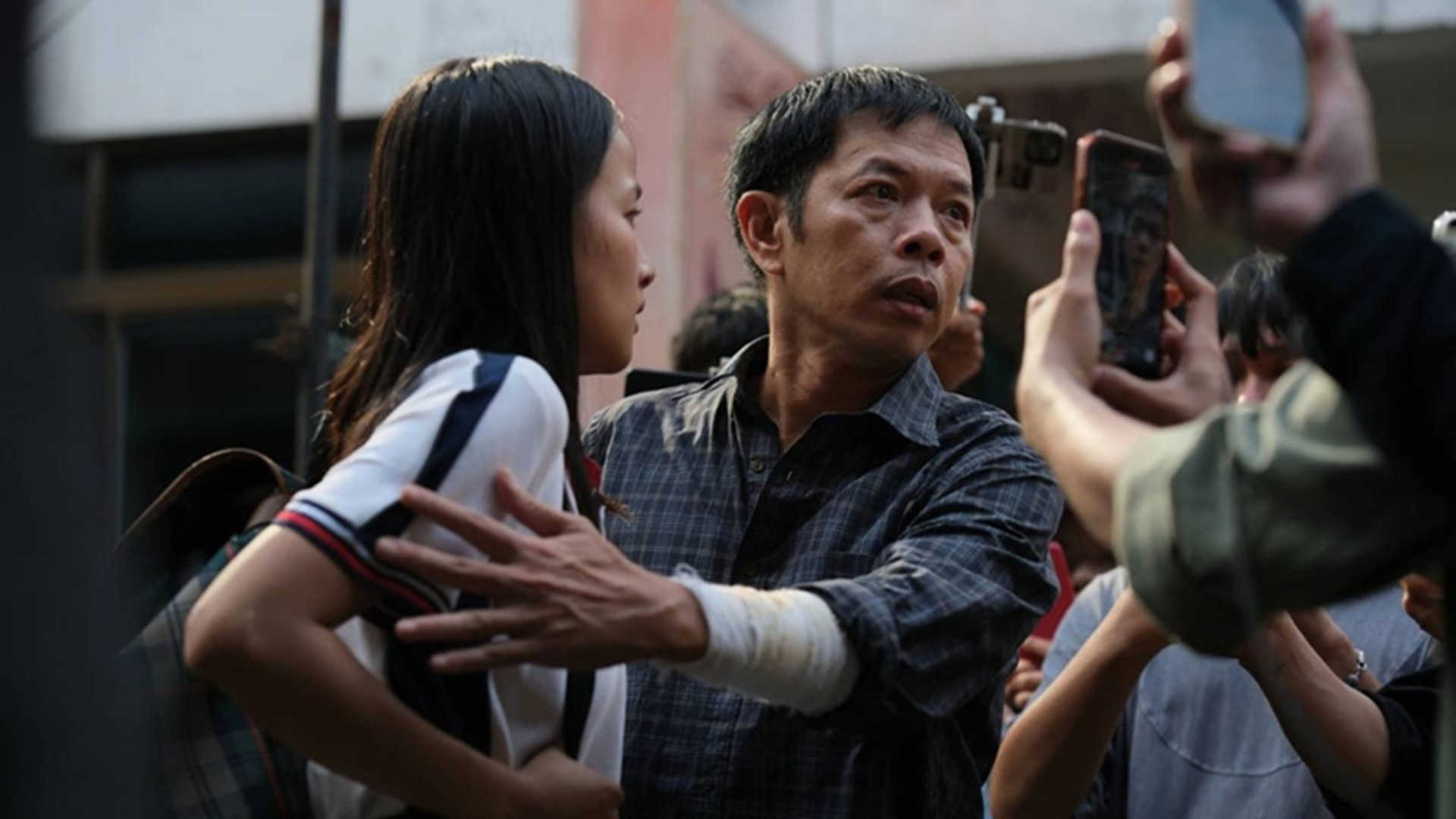
While that film is more like an act of stolen valor, Mr. Hero does share some similarities. Hùng sees how people are becoming rich off of their deeds on social media, decides he can perform that effectively, and puts into motion a plan to scam the public. As Lam Le writes, Hùng has become an “accidental hero.” Some complications when pulling off his stunt do inadvertently turn him into a real hero, but if he had never cooked up the scheme, no one would have been in danger.
What is always apparent throughout the movie is the shady nature of Hùng’s plan. Why would someone willingly step into the line of fire just to achieve fame? In a world where social media can make or break your livelihood, one can’t claim they haven’t thought of similar schemes. Most people don’t put those plans into motion, but who among us hasn’t wondered if they could copy a viral sensation simply to get rich? If some jackass from the middle of nowhere did it, why can’t I?
I love the complexity that Mr. Hero sells before the plan even happens. It maybe drifts into melodramatic territory, but if your child’s life was on the line, would staging a rescue really be the worst crime to commit? While not advocating for it, I would personally say no. There are far worse ways to make a quick buck, but then what else are you supposed to do in a world that would rather grind you into dust then lend a helping hand? Across the world, people are saving one of the worst economic crises in history, and most people are becoming desperate.
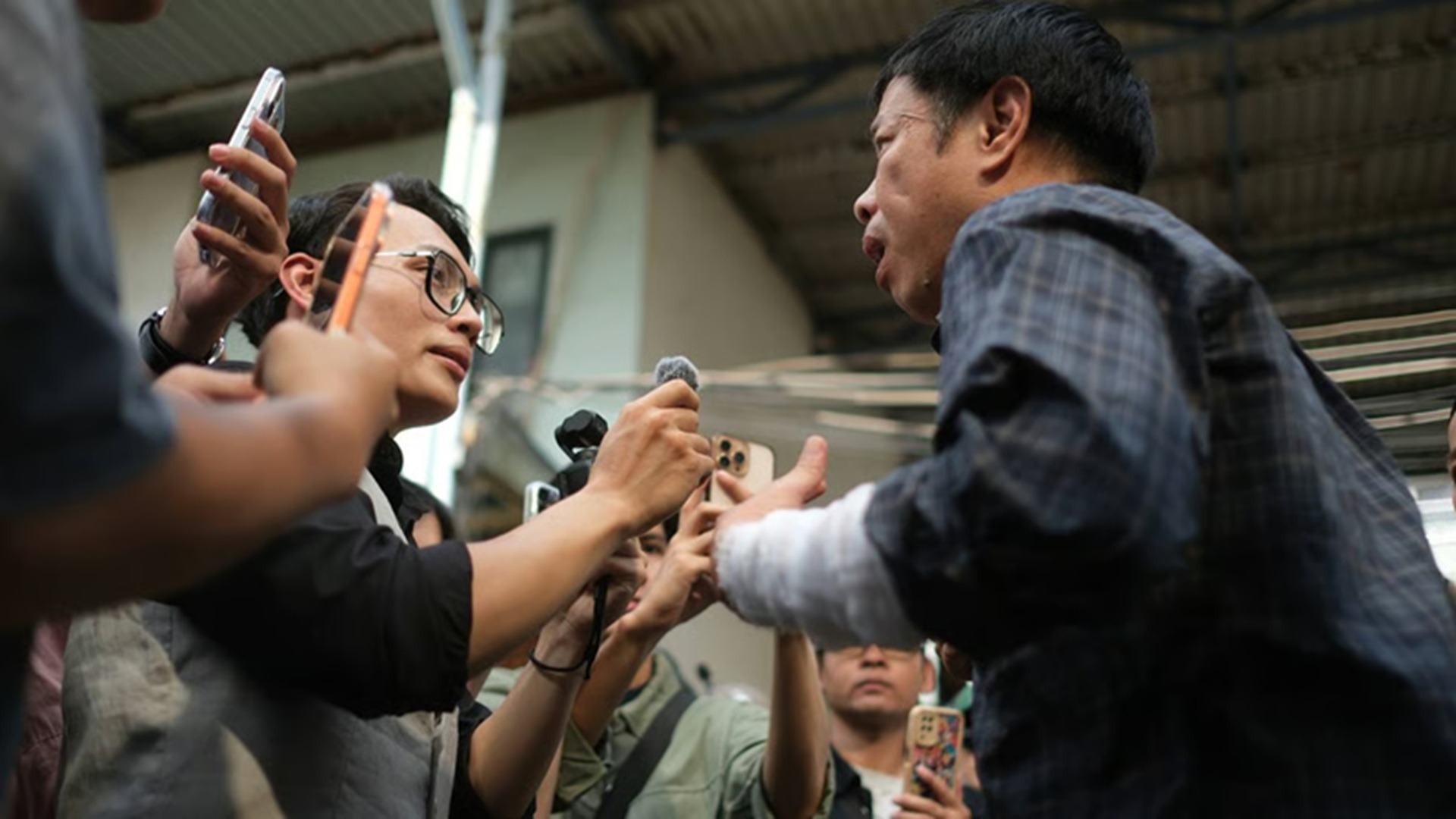
That struggle is sold beautifully by Thái Hòa, a veteran actor from the Vietnamese film industry. Boasting an unexplained scar (at least until the final act), Hòa portrays a disillusioned man broken by the hand that life has dealt him. Having missed the death of his wife, he clings to the only thing left while shunning the rest of the world around him. Hòa is mostly restrained, though certain moments push him to express strongly. There is a deep sadness expressed in his eyes, which will likely break you in the final act.
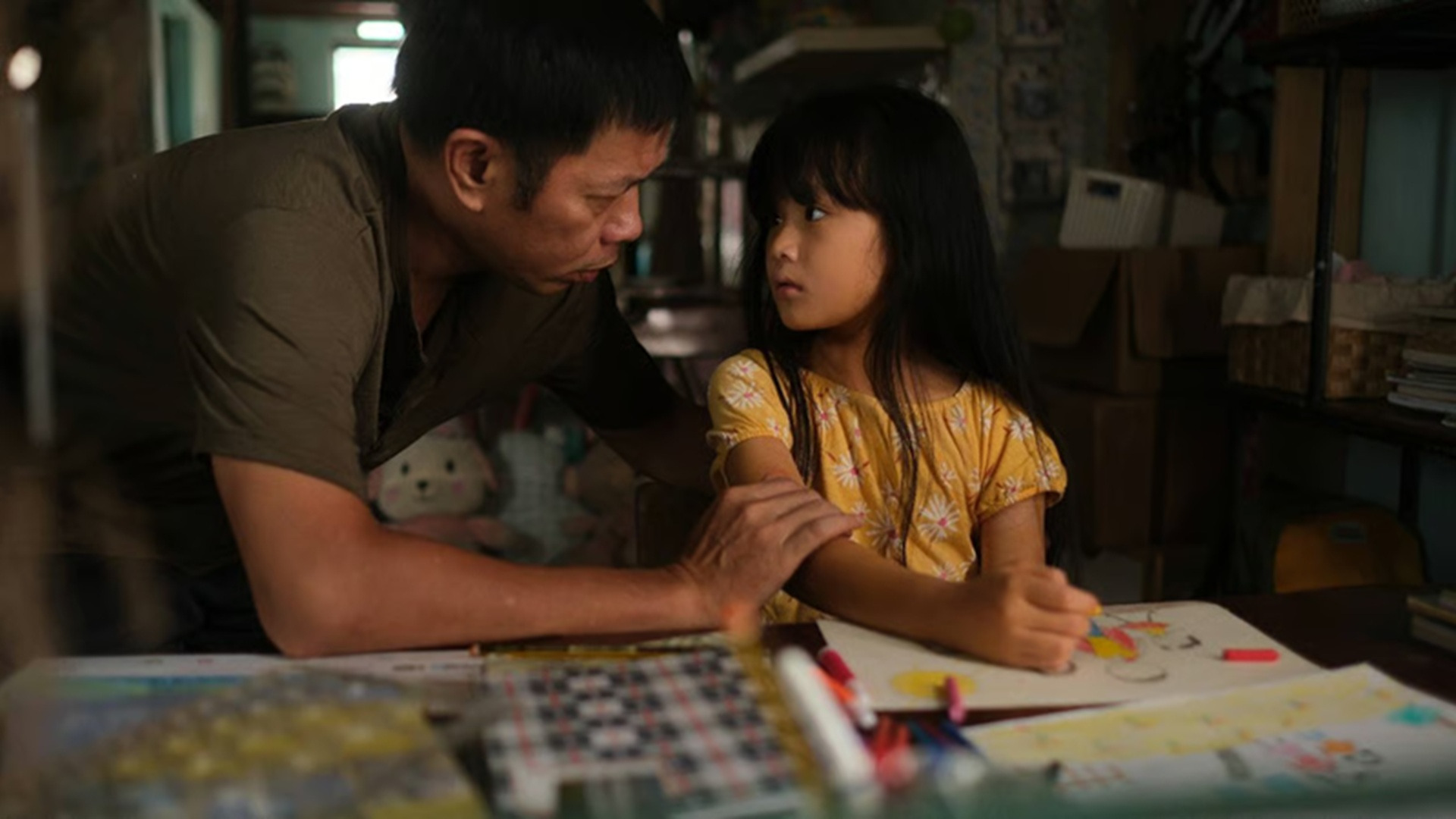
I was pleasantly surprised by Gia Tuệ’s performance as My. Kids in films can be hit or miss when it comes to conveying emotion, but Tuệ feels effortlessly childlike. There is a naivety to her understanding of the world that makes the moments in the hospital hit like a ton of bricks. The supporting cast, in general, is great, which overcomes some of the budgetary constraints Mr. Hero clearly has.
Another strong aspect of Mr. Hero is that it does not portray Hùng’s actions as morally correct. While his friend and neighbor are along for the ride, all three know they are committing what could charitably be called petty theft. The second half of the film then shifts into the societal blowback, putting a focus on how cruel it is to defraud the public at large for personal gain. I would explain more, but that drifts into spoiler territory. The film’s narrative takes a few shortcuts, but never feels like it shies away from the ugly truth at its core.
The conclusion, then, feels a little bit too hopeful. I suppose director Thảo didn’t want Mr. Hero to come off as overly judgmental, but I struggle to believe that society is that understanding of others. Maybe that’s the American in me speaking, but running a scam like this and getting caught would likely result in complete ostracization from the public. Then again, Vietnam is a much more communal place, with a subplot involving Vinh’s grandmother highlighting how filial piety still plays a strong role in family dynamics. It could be possible that Hùng would be given a second chance.
Story specifics don’t derail what is a fascinating look at how social media and the hunt for fame has warped our moral compasses, however. That Thảo then lets the viewer draw their own conclusion really propels Mr. Hero into the realm of must-see cinema. I could nitpick about cinematography or plot contrivances, but that feels like a pointless endeavor. A film doesn’t need to have meticulously staged props or design to effectively convey a meaningful message.
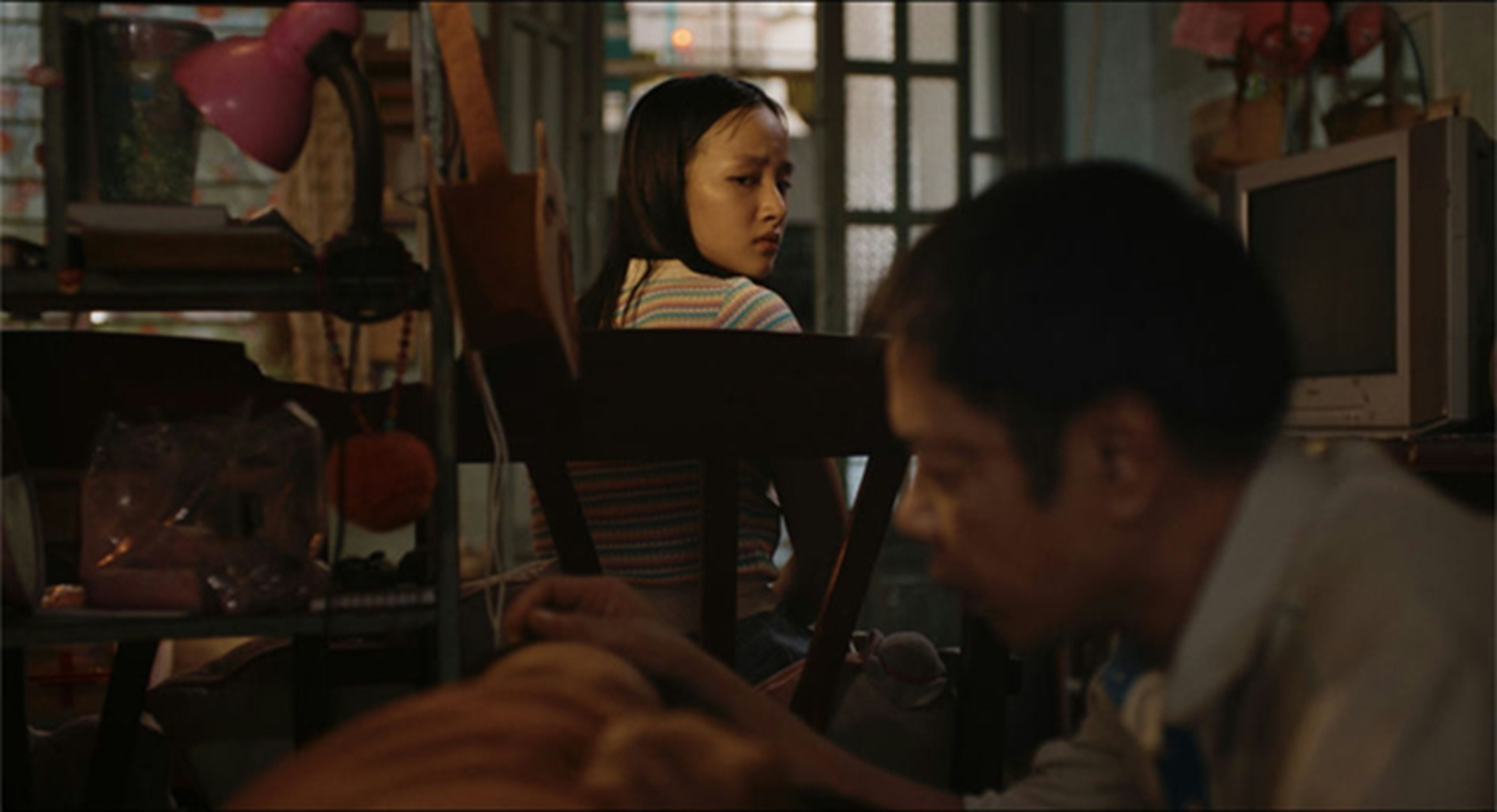
Mr. Hero is a film that surprised me on a multitude of levels. I didn’t expect much from its premise and lower budget trappings, but walked away compelled by its performances and lost in thought about the questions it raises throughout. Hopefully, the film can open up a dialogue around the dangers of social media and the growing inequality that average citizens face across the world.
0 Comments Add a Comment?