NYAFF 2026 Review: Fujiko
I remember one day, roughly two decades ago, when a friend and I took the train into the city to catch a double feature of Once and Waitress. Growing up in a modestly sized North Eastern town, we never really had access to indie, art house, or limited release films growing up. We were eager to see both, so we made the trek and had a blast exploring different parts of Stamford.
Anyway, after watching Waitress, my friend made a statement of the effect of, “Any film where a woman is down on her luck and defeats oppression gets an easy win from me.” I’m paraphrasing here, but that sentiment has stuck with me. As a white cisgender man, I’ve never experienced the type of oppression women have constantly been subjected to. It might be hard to imagine for younger individuals, but women have only recently gained more autonomy over themselves… which has then started to get stripped away again by the people in power.
I bring this up because Fujiko is a film about confronting that oppression and seeing the struggle one woman will make when push comes to shove. Set during the late 70s and early 80s in Shizuoka, Japan, the movie is less about a specific plot and more a highlight reel of how one mother will go to extremes to ensure her child can survive happily. It can be a tough watch at points, but is otherwise given levity from the charm of its lead actor.
Fujiko
Director: Taichi Kimura
Release Date: June 5, 2026 (Japan), July 24, 2026 (NYAFF)
Country: Japan
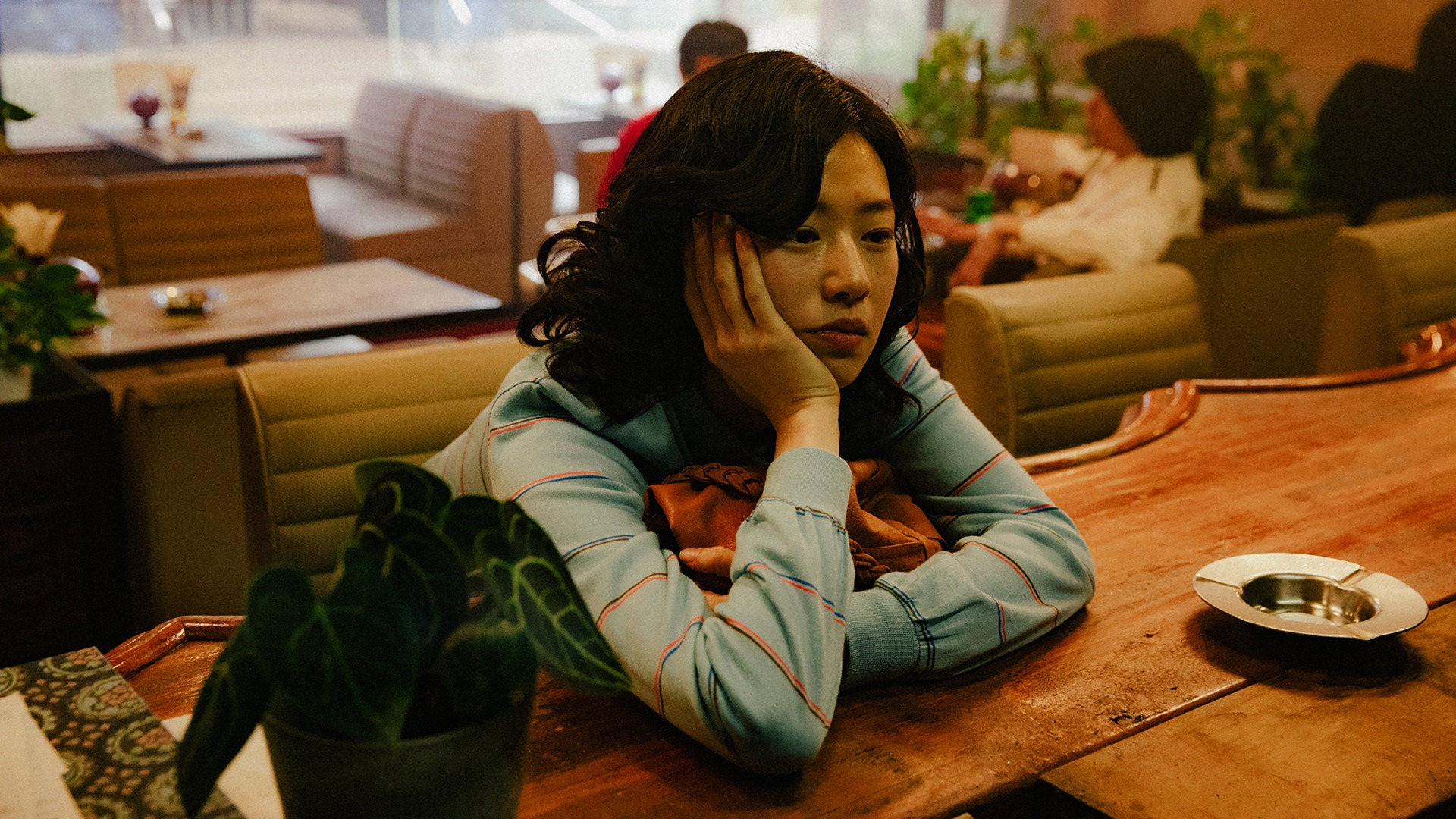
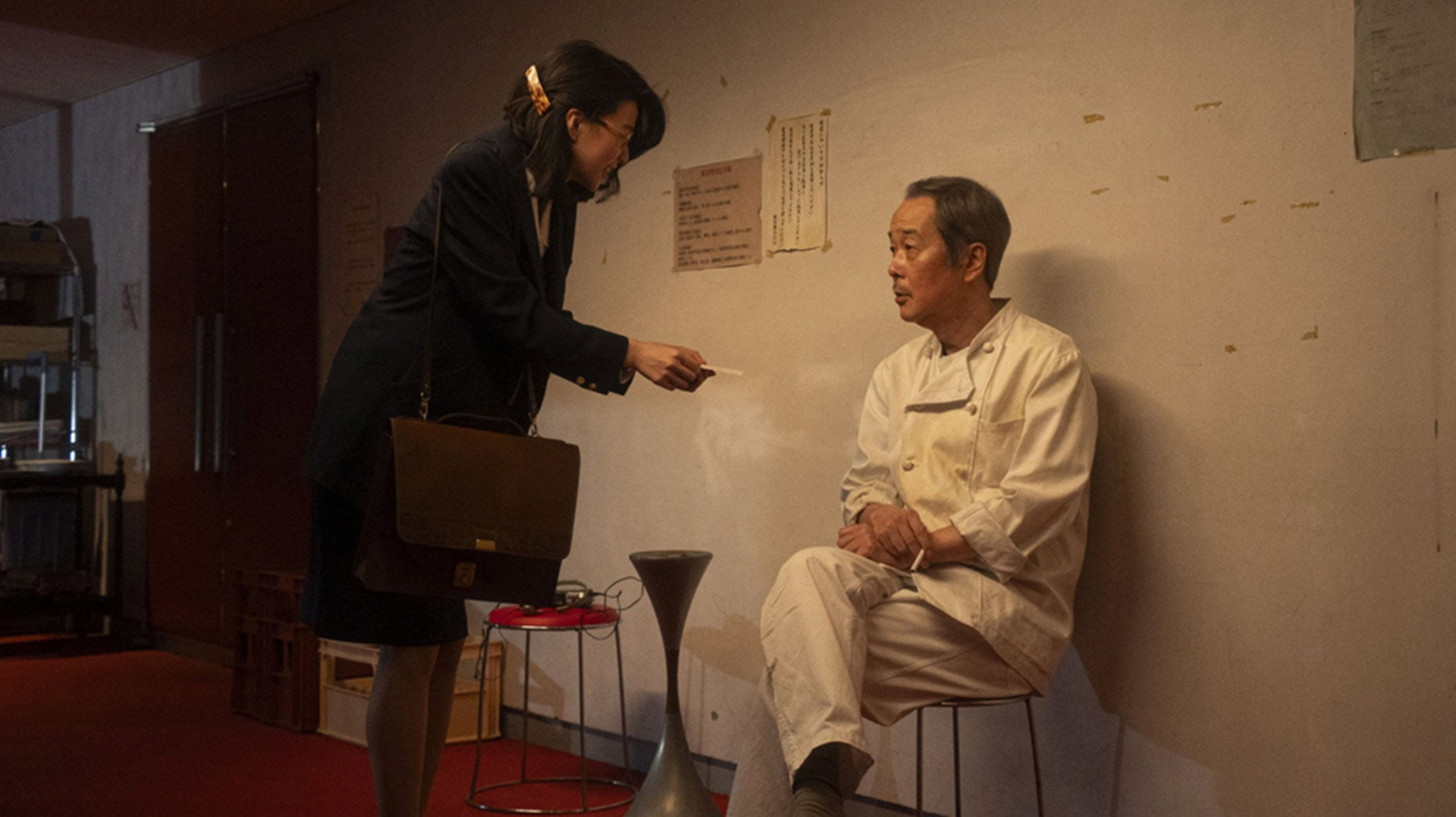
Fujiko begins with its titular heroine, played by Yuki Katayama, recounting the tale of her child’s birth to a prospective insurance customer, played by Lily Franky. On a dark and stormy night in a hospital in 1977 in Shizuoka, Japan, Fujiko gives birth to her daughter, Mari, during a power outage. From moment one, the film makes it clear that Fujiko isn’t going to have an easy go of things. Not even a full month later, we flash to her in-law’s business (which I think is a laundry press), where Fujiko’s mother-in-law is badgering her son, Jiro, to have Fujiko return to work.
As was tradition in Japan at the time, women basically became the property of the husband’s family once they married. In keeping with that tradition, mothers were meant to hand over care of their children to the mother-in-law so that they could resume working with little delay. Fujiko is a much more modern woman, though, and isn’t having it. When she and Jiro have a fight, she takes Mari to work the next day only to get blindsided by Jiro’s mother and sister. The two take Mari by force, leading to Fujiko enlisting the help of her mother (Keiko Takeshita) to get the child back. Once the two accomplish that, Fujiko winds up divorcing Jiro and going off on her own in a world that doesn’t accept her for who she is.
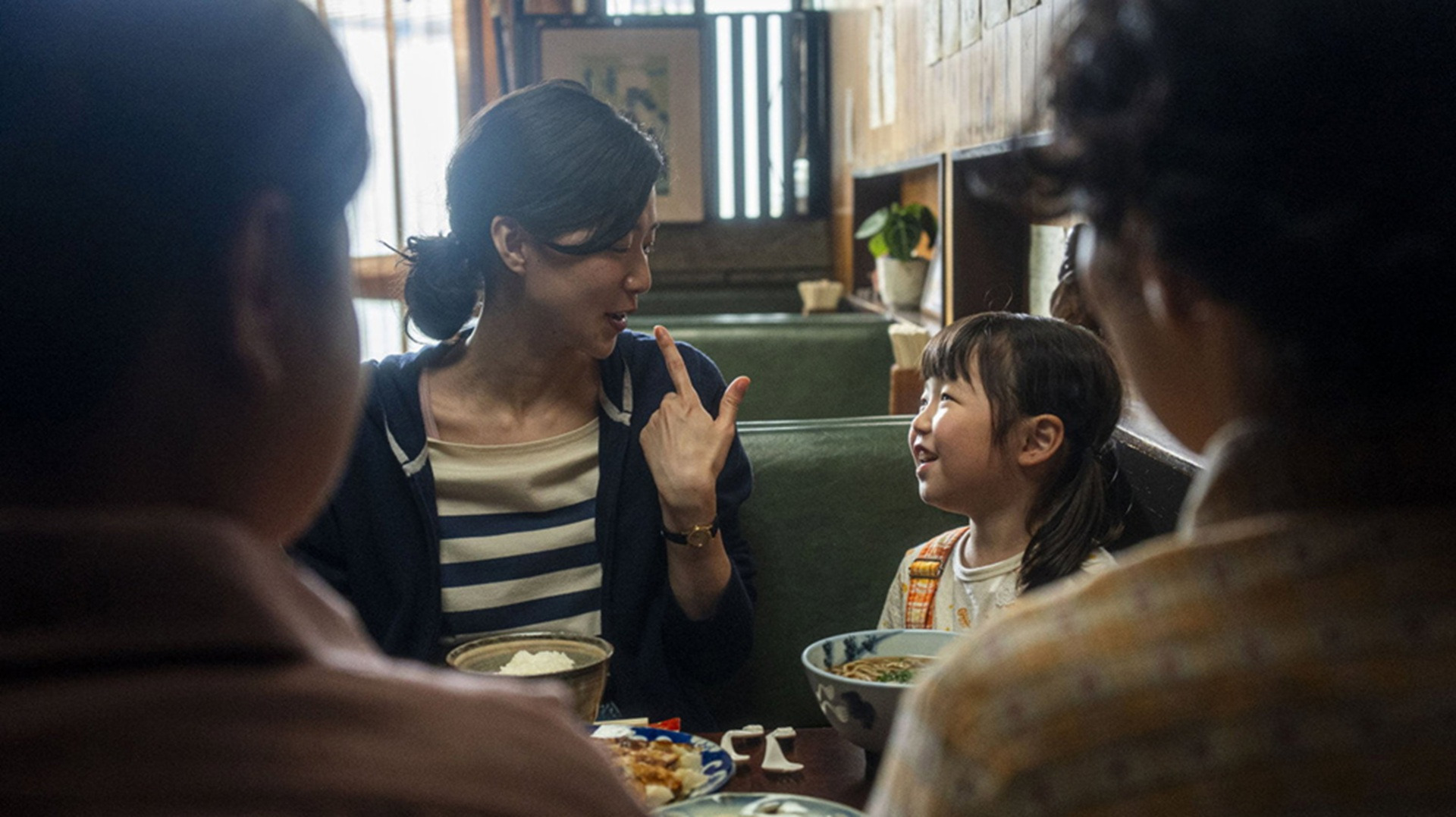
From there, the rest of Fujiko plays out in episodic format to illustrate the struggles women faced in Japan 50 years ago. We see Fujiko struggle to care for her child while holding down a waitressing job, eventually get involved with serving food at an illicit gambling den, to then finding work as an insurance saleswoman. Along the way, she tends to Mari, meets another prospective husband, and generally lives her life to the best ability she can.
While the movie highlights some rough moments in Fujiko’s life, what gives the film a refreshing edge is that it doesn’t look down on her decision or constantly throw misery her way. Sure, she hits brick walls at points, but the indomitable spirit of Fujiko is never broken. Even when her immediate family is ridiculing her for not falling into traditional feminine roles, Fujiko simply tells them to fuck themselves and forges ahead.
Reportedly, the film is inspired by director Taichi Kimura’s own family history, with Kimura saying to Asian Movie Pulse that it is the most important work he has ever made. Reportedly born in 1987, a bio from Caviar TV notes that Kimura moved to England from Japan when he was 12 years old by himself to study film, which is some hardcore dedication. I would have been a sobbing mess if I did something similar at that age. Anyway, Kimura knows first hand how tough life can get when you’re on your own, which is central to the themes within Fujiko.
More importantly, it is a feel-good movie at the end of the reel. As well as putting a spotlight on the gender roles of older Japanese society, the film gives an uplifting message that personal agency is more important than following societal standards. When forging your own path, you’ll eventually find true happiness rather than being subservient and living life as expected. It’s certainly a powerful message in an era where job security is uncertain, wage inequality is growing, and life feels more oppressive than ever.
Where I think Fujiko stumbles a little is with its relationship to music. The film starts with a powerful rock song symbolizing Mari’s birth, but the story never makes time to explain the importance music has on Fujiko. For long stretches, she simply doesn’t engage with music despite being seen with a Walkman or sitting down at a turntable. There’s a pivotal moment later on where she listens to a song her father recorded, but trying to decipher its meaning almost makes it seem like the film was edited to be a little over 90 minutes when a longer cut probably exists.
I can’t really point to any other flaws in the film, though. Clearly, Fujiko is not a perfect movie, but the issues I had come down to personal preference. At times, I was reminded of Forrest Gump, and I kind of hate that film, so that was a bit of a negative association. Fujiko doesn’t attempt to reshape Japanese history under the guise of one woman’s journeys, though, so it has a tremendous leg up on the Tom Hanks picture. The performance from Yuki Katayama is similarly excellent to Hanks’ turn as Forrest, at least.
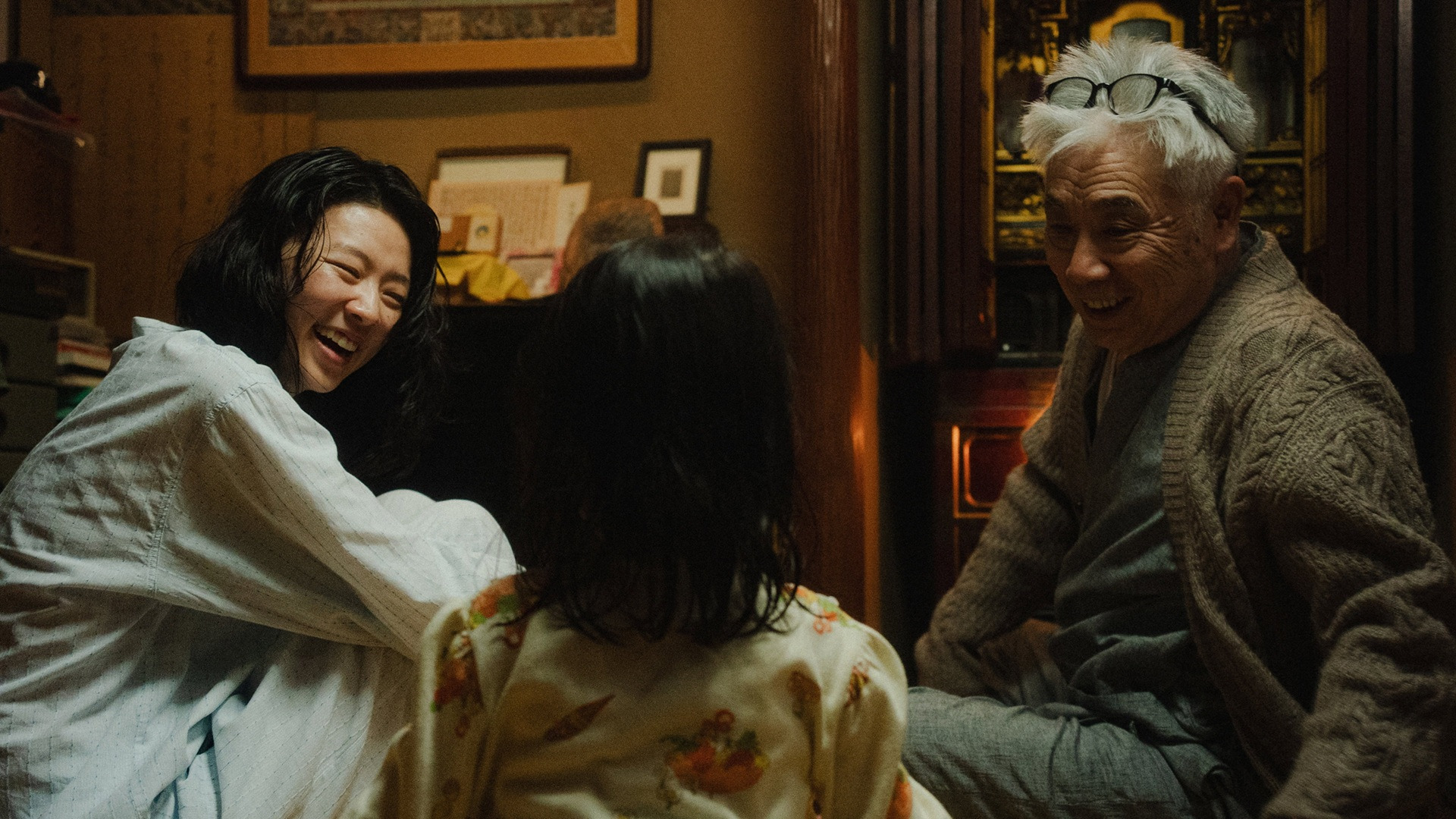
Really, that is the reason you should watch Fujiko if you can. Movies with such a singular viewpoint live and die based on their believability, and Fujiko paints an extremely relatable narrative. Katayama is fierce, dominates most scenes, and has a vulnerability to her that is heartbreaking to see. The film can also be quite funny. I laughed my ass off at her docile nature in the beginning while her mother is telling Fujiko to, “Tell that old whore to go fuck herself,” in relation to Jiro’s mother.
I could go through specific moments, but I feel Fujiko is a film you need to see to understand. Even if you wind up not enjoying it, the movie is punchy enough to keep you entertained. It’s also not a big ask to sit through, with swift editing and great pacing keeping it moving along nicely. This is certain to be a highlight from this year’s New York Asian Film Festival, and I hope it manages to find an audience of its own.
0 Comments Add a Comment?