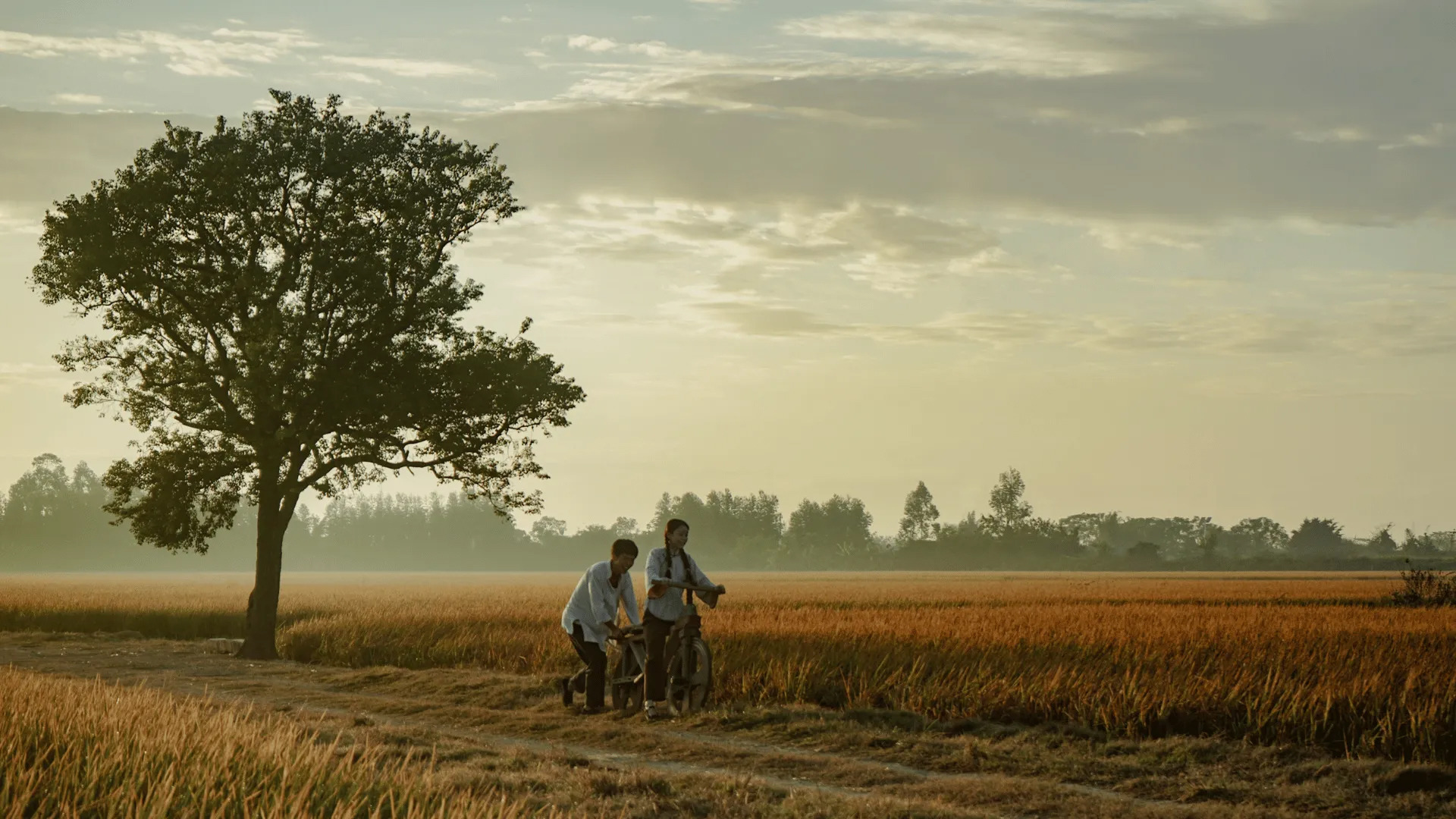
NYAFF 2026 Review: Dear You
This year’s New York Asian Film Festival hasn’t had a consistent a theme across its films as in past years. The opening movie was a zombie outbreak film with shocking similarities to the COVID-19 pandemic. Mixed between the opener were movies about the human condition, action comedy send-ups, throwback nostalgia pieces, and musings on how social media has rotted society. I wasn’t sure what to expect with Dear You, the festival’s closer this year, because it could have been anything and everything mixed together.
Thankfully, this is one of the most beautiful movies I’ve watched in a year when things get worse on a daily basis. Instead of a cynical drama about how love is pointless in a world of war, or a story where a once faithful husband steps out of line, Dear You is a bittersweet tale pulled from various real-life sources to create one of the most human stories you’re bound to ever see. Paying homage to Choshan culture and its communities that have popped up across Asia, the film features a rare usage of the Teochew language to create an authentic atmosphere that has resonated with the diaspora faced by those individuals.
I have some nitpicks with the movie, but none of my problems come close to ruining what is an incredible movie about the indomitable human spirit, a love that transcends distance, and a desire to do right by your fellow man.
Dear You
Director: Lan Hongchun
Release Date: April 30, 2026 (China), July 26, 2026 (NYAFF)
Country: China
To briefly sum up Dear You, the film is a retelling of one man’s life after a lifetime of misunderstanding. It starts around 2018 where one of his grandchildren, Hiou-ui (Zheng Runqi), falls on hard times after gambling away his money. Reading about several schools across Thailand and Malaysia that bear his name, Hiou-ui believes his grandfather was a billionaire and concocts a plan to locate him after he supposedly abandoned his family years earlier. Hiou-ui’s grandmother, Iap Sogriu (Wu Shaoqing), has refused to truly talk about her husband for 40 years after he sent a photo back home where he was surrounded by kids with another woman.
This then leads down a path where Hiou-ui goes to Thailand, investigates who he believes to be his half-siblings, and then uncovers a shocking revelation: his grandfather, Den Bhagseng (Wang Yantong), passed away in 1960. Initially, that registers as fake because Hiou-ui had been receiving letters as late as 1978, which is nearly 20 years following his supposed death. What, exactly, happened?
Now, that bit of setup is mostly a way to explore the troubles that the Choshan people faced almost a century ago. I don’t want to spoil too much here, but Bahgseng initially flees China to avoid mandatory conscription into the army during the Chinese Civil War. The timing of this was awful considering Sogriu just gave birth to their third child, but Bhagseng promises to return home one day and pick up where they left off. You already know that didn’t happen, but the reason why isn’t exactly what you expect, and certainly not what Sogriu assumed. What plays out is an achingly beautiful story about culture, the importance of education, the hardships that immigrants face, and undying love in the face of oppression.
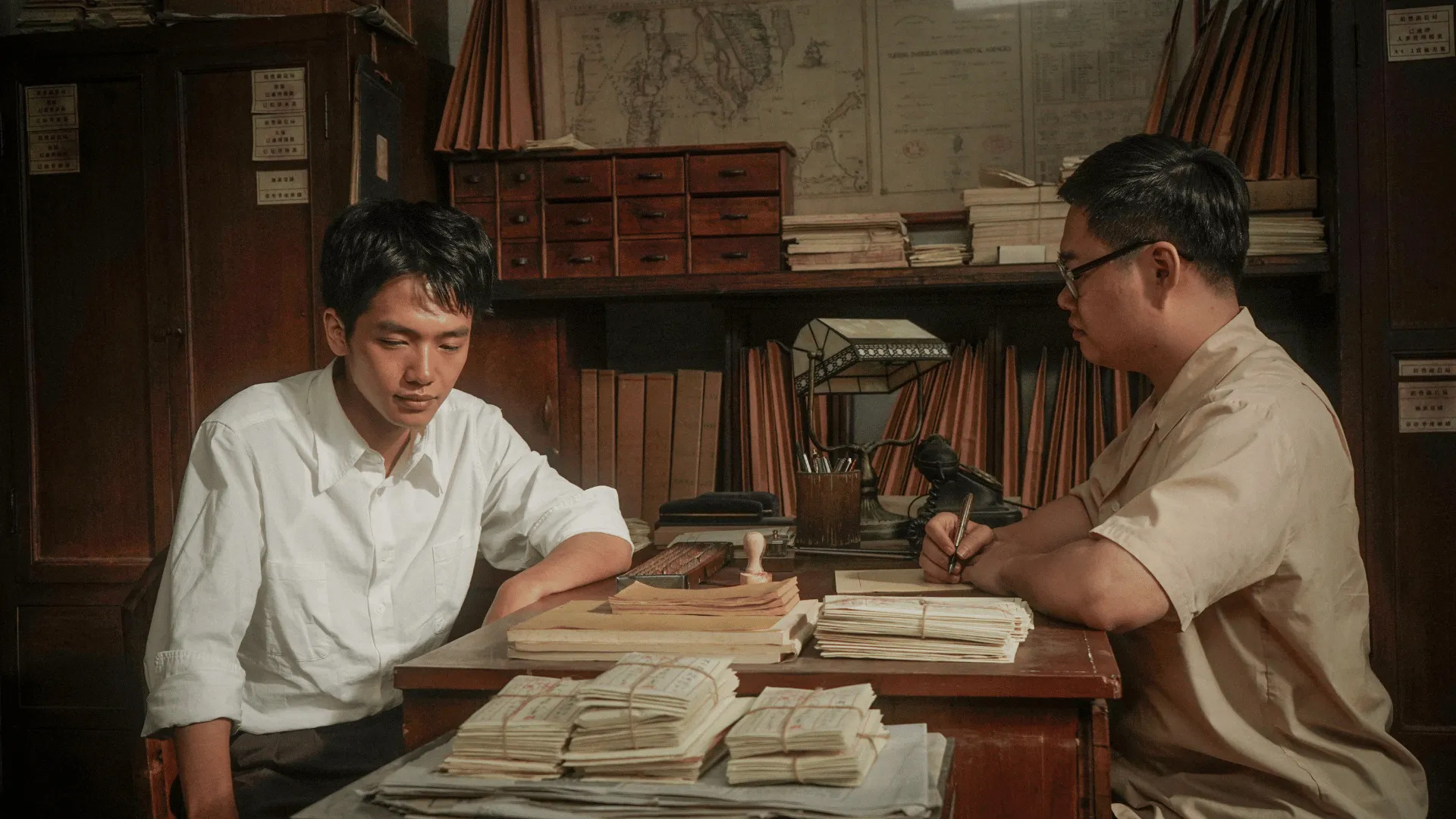
I think what makes Dear You hit so hard is that director Lan Hongchun cast mostly non-professional actors in the main roles. Set primarily in the Teochew language, this move was both an economical measure, but also a means to bring authenticity to the experience. Teochew is an incredibly old-school Chinese language that is in danger of dying out, with less than 20 million native speakers in the world. By taking actors who are fluent in the tongue, it imbues Dear You with an atmosphere that would only feel forced had non-native speaking actors attempted to speak the language.
Right off the bat, you can draw a comparison to Nomadland here, Chloe Zhao’s Oscar winning film about a drifter in middle America. Zhao deliberately cast actual nomads in the movie to play fictionalized versions of themselves so that specific details would be accurate. Dear You is similar, having relative unknowns portray characters so that eccentric details wouldn’t be lost. Despite being a Chinese story and having watched hundreds of Chinese films, even I don’t know much about the Choshan people or their culture.
For example, a lot of Dear You centers around the usage of remittance offices to send letters home, here known as qiaopi. Thailand, specifically, had a strong remittance office industry during the Chinese Civil War because of all the ex-pats who had fled conscription. An entire culture grew out of these dire circumstances of which Dear You pays homage to. During the end credits, even, the film features actual letters sent from men to their families about their desires to return home, their struggles with work, and even obituaries for unfortunate souls.
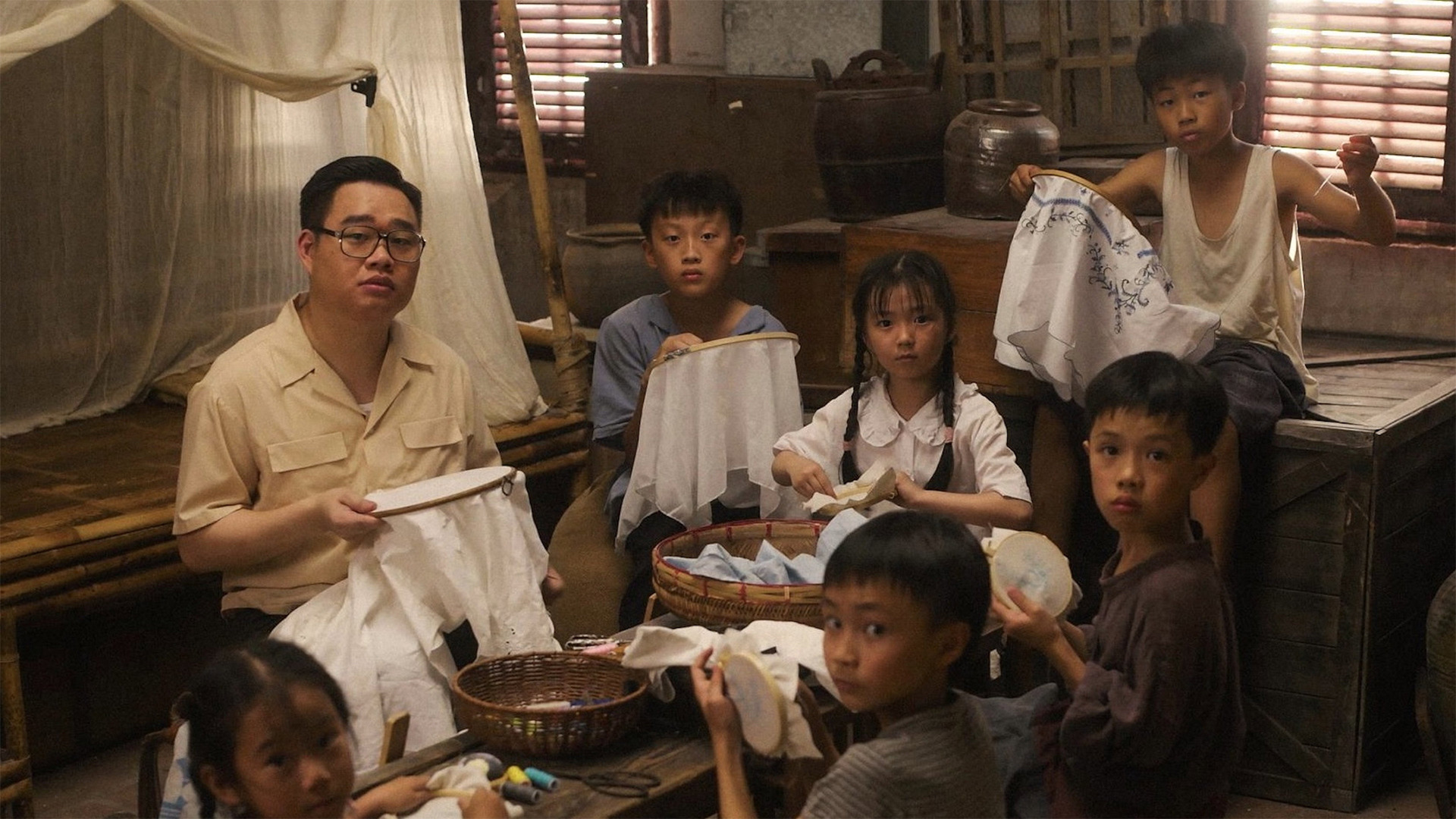
What’s really remarkable in Dear You is the story woven around these elements. Bhagseng initially sneaks into a hostel run by Zia Laisung (Fang Peisong) and his daughter Zia Lamgi (Li Sitong as young Lamgi, Usha Seamkhum as old Lamgi). While Laisung is willing to overlook the cramped conditions, Lamgi is initially reluctant. She is overly cautious in a world that has treated her unfairly, even to her own people. She eventually comes around after her father begs her, with the film expanding to show how the Choshan people only really had themselves to look after one another. Lamgi would be lost if not for her people, so kicking Bhagseng out would be no different to putting a bullet in his head personally.
Saying anything else will spoil plot specifics, even if I believe Dear You isn’t a movie about that. That’s not to say the story is uninteresting, but as I’ve stated before, this is a movie about honoring an overlooked culture and the hardships its people faced over the years. At one point in the story, Bhagseng takes in a roommate who is a Chinese school teacher. He winds up teaching the children and Lamgi how to read and write Mandarin, though that is explicitly illegal in Thailand during this period. Later on, Bhagseng buys a riverboat to start working as a ferryman to build up money to send home, not to mention eventually save enough to return to China. During this period, he would employ several other Choshan men to help him, giving back to the community that saved him from poverty at his lowest.
It's really Lamgi who winds up running away with the story, though. I don’t want to reveal too much, but her selflessness becomes a huge beat during the story. Despite being the youngest daughter, and traditionally the one who is to be married off, she stays with her father to aid him and run the hostel. She turns down various suitors and avoids getting a separate job because her father’s life and safety are more important to her. Her sacrifice represents the struggles the Choshan people made during a tumultuous period in China’s history, not to mention the lengths they will go to be of service.
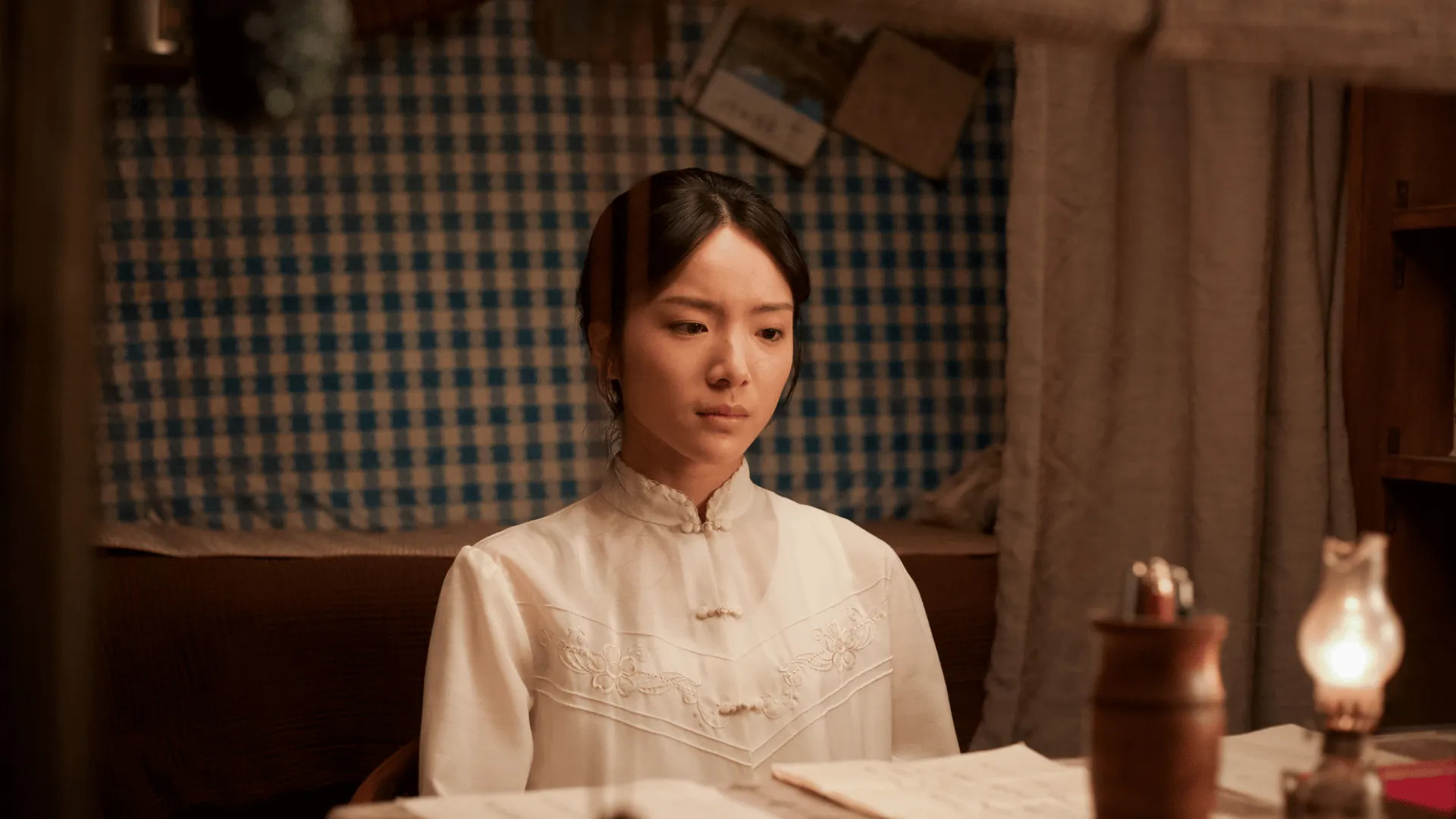
To say I got misty eyed would be underselling it, but I was also engaged throughout because of how painstakingly real Dear You felt. I think we’ve all seen enough wartime films to understand that life across the globe was terrible during big battles, but it’s always enlightening to see very specific problems that different groups have endured. More than that, though, there’s a sense of perseverance and hopefulness that permeates throughout.
What did make all of this click was the final act, which is loaded with some big revelations and a wonderful bow to tie around the story. I suppose we never see a resolution to Hiou-ui’s plight, but Dear You was never meant to hang on that thread. The real drama lies with Sogriu and her misunderstanding of events that led to a rather cold life for several decades. She’s kind of the flip side to Lamgi, who managed to care for her father and, eventually, an adoptive son all by herself. Sogriu, too, raised three children without Bhagseng and built a beautiful life for herself in the process. Things could have been better, but she rose to the occasion when life dealt her a crappy hand. Knowing that struggle was worth it in end gives the film a bittersweet finale.
I think some of that explains why the film was such a massive hit in mainland China. While it didn’t open to number one at the local box office, word of mouth got around and the film would pull consecutive number one spots for more than a month (Toy Story 5, oddly enough, dethroned it). The movie would go on to gross around ¥1.9 billion at the local box office, becoming the second highest-grossing Chinese film of 2026. It’s even done big numbers in Hong Kong, Singapore, and Malaysia.
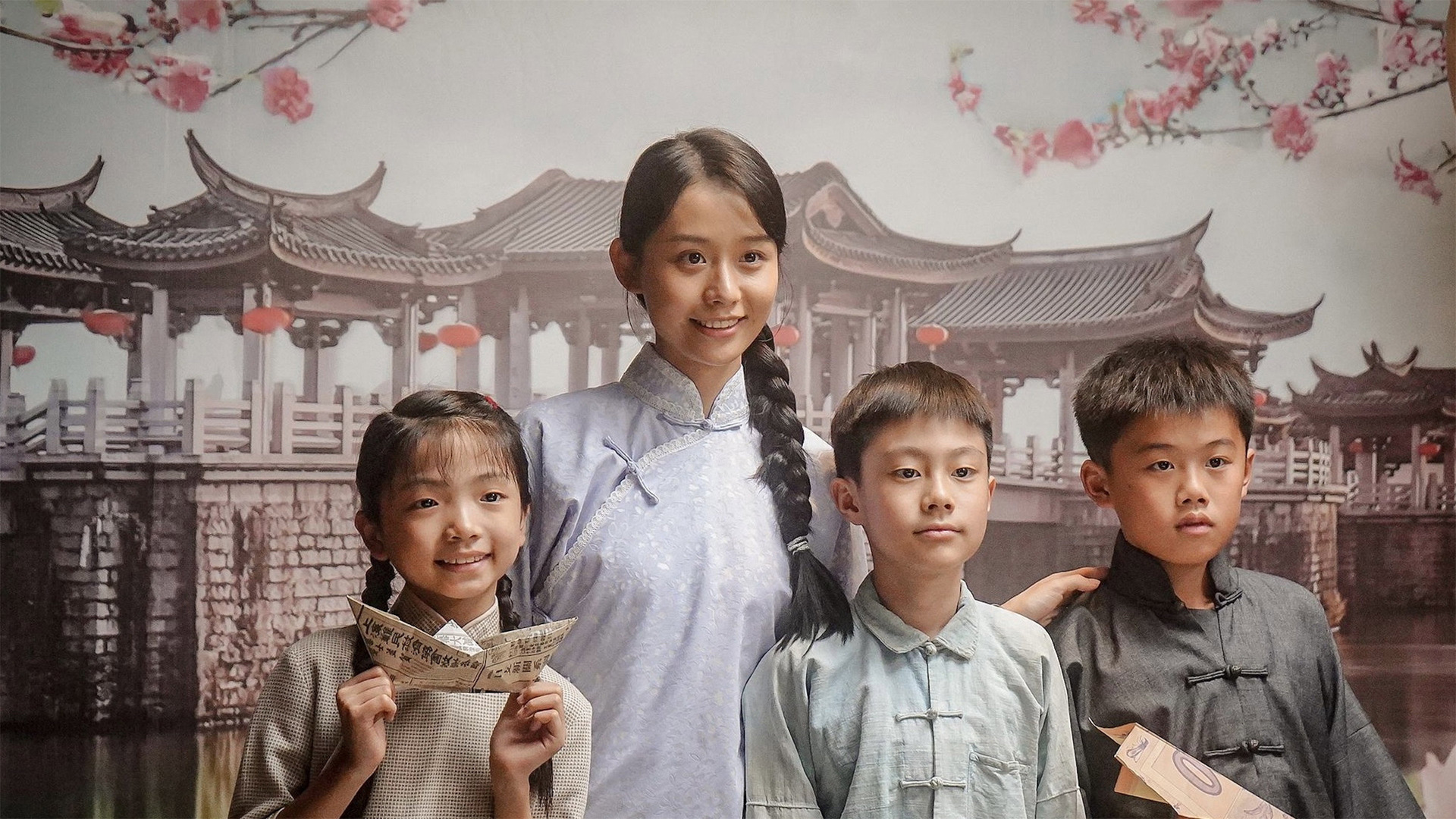
There is some controversy with the Singaporean release of the film, which was initially given a Mandarin-dub that removed a lot of the cultural specificity of its story. I don’t want to get too much into that here as I’m not an expert on the subject, but citizens were not happy about the change. It sparked debates about representation of subcultures in Singaporean film, not to mention how Singapore’s government doesn’t make similar concessions for French or Malaysian releases. Wikipedia has a massive section on it, which is fascinating to skim through.
More than anything I can write, Dear You is a film that simply needs to be seen to be understood. Once you do, you’ll understand that even with its quirks and limited foreign crossover appeal, the story is ultimately a very human one. I could criticize how its two stories feel a little disconnected from one another or that one subplot doesn’t even come to an end, but that isn’t the point. In the grand tradition of films from someone like Wong Kar-wai, this is a movie about human emotion and the messy asides that life can take us down.
I will honestly be surprised if any other movie dethrones Dear You from my top spot for 2026.
0 Comments Add a Comment?