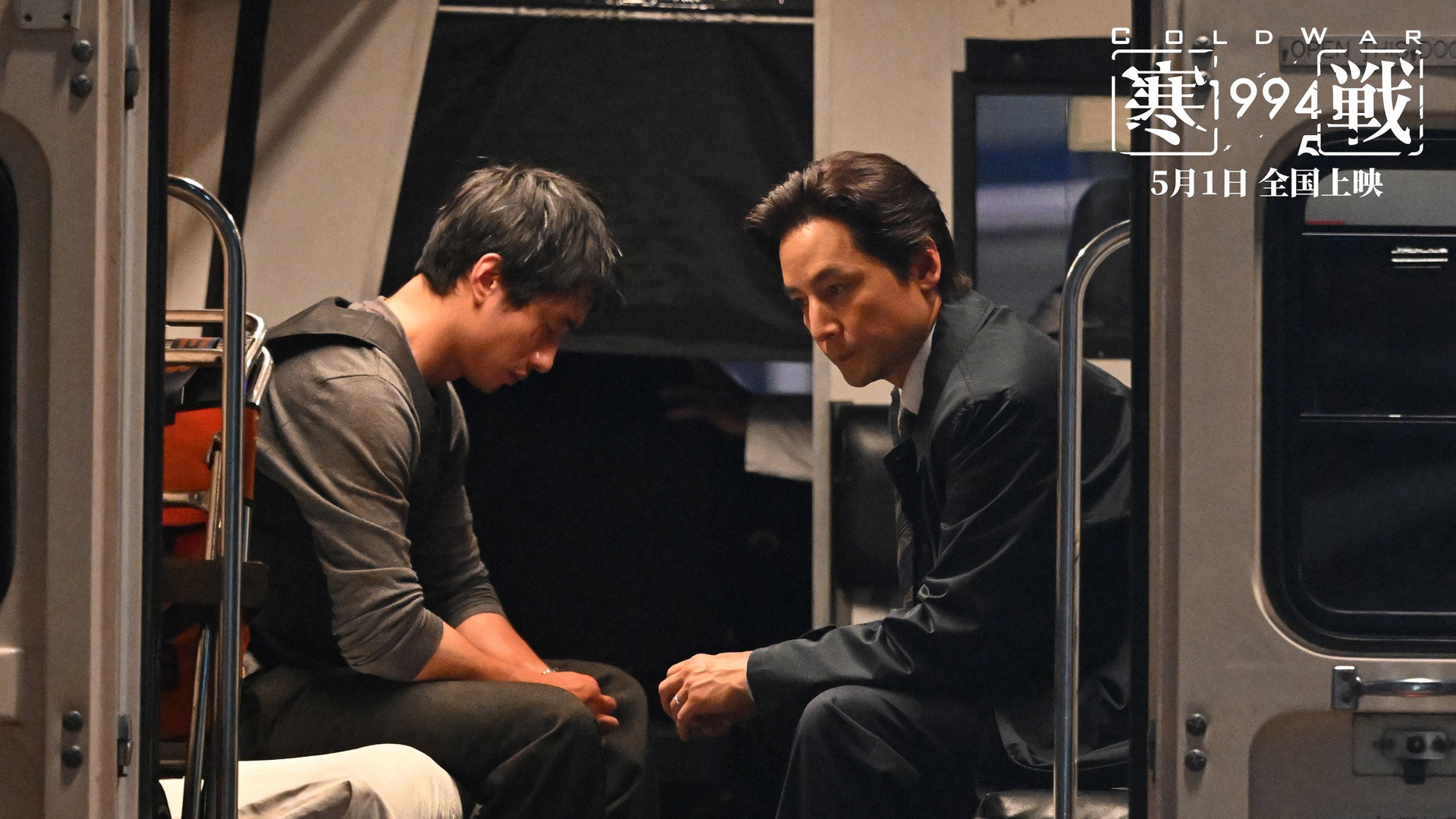
NYAFF 2026 Review: Cold War 1994
Ask any American fan of Hong Kong cinema’s golden age about the film industry, and they’ll likely tell you the industry has been dead for over 20 years. Hell, some prominent people within the industry even believe it has been on the downturn for decades, a shell of its former shelf and unable to rise to the status it once held. While I would agree that a certain type of the HK film industry is dead, it has been thriving over the last few decades despite proclamations to the contrary. Just look at my coverage from past New York Asian Film Festival’s to see how vibrant it has been this century.
Whatever has caused the perception of HK movies being done and dusted, it isn’t helped when a new throwback movie is released and critics claim that “the golden days are back!” This happened with The Goldfinger in 2023 (which even had a marketing campaign based around “bringing back HK cinema”), with Twilight of the Warriors: Walled In in 2024, and now with Cold War 1994. A prequel to the popular Cold War series from the 2010s, director Longman Leung returns to helm this retro-inspired film that not only copies the template from golden age crime thrillers, but winds the clock back to before the Hong Kong handover.
I can understand the appeal of the nostalgia here, and even recognize that some of Cold War 1994 deals with the corruption of the British government at a time when Hong Kong’s rights were under attack. The major problem is that despite recalling past glories, Cold War 1994 simply makes no god-damned sense.
Cold War 1994
Director: Longman Leung
Release Date: May 1, 2026 (HK), July 20, 2026 (NYAFF)
Country: Hong Kong
I must preface this review by acknowledging that I have not seen Cold War or Cold War 2. I didn’t think it would be necessary viewing for this film, which is billed as a prequel that explains the rise of Peter Choi (Daniel Wu in 1994) and M.B. Lee (Terrance Lau in 1994). In actuality, this is something of a soft sequel that begins in 2017 and sees Sean Lau (Aaron Kwak) meeting with Oswald Kan (Chow Yun-fat) to discuss the recent disappearance of Lee (Tony Leung Ka-fai, reprising his role from the previous Cold War movies). As it just so happens, Lee was involved in the controversial Cold War operation, which has ties to 1994 and just before Hong Kong was handed back over to China by Britain.
So, the rest of the film should be relatively straightforward, yeah? Unfortunately, that isn’t the case. The biggest overall issue with Cold War 1994 is that practically every bit of conversation between characters is expository in nature. Maybe because this prequel is coming 10 years after the previous film, it seems Longman Leung felt the need to spoon-feed character backstories and their relationships to the police force in extreme detail so we would understand why they were notorious in the original two films. Either that or he assumes people enjoyed the first two because of sheer star power more than anything.
The one aspect that carried me through this movie was the ridiculously star-studded cast. How often is Chow Yun-fat even in movies anymore? Do you want to see a five-second cameo from Tai Bo? How long has it been since Karen Mok was in anything? Isn’t it exciting as hell that Yuen Biao is in a new Hong Kong film and speaking Cantonese?! Hell, Louis Koo even gets a bit role at the end to set up another sequel, of which this movie ends with a trailer for Cold War 1995… no, that’s not a joke.
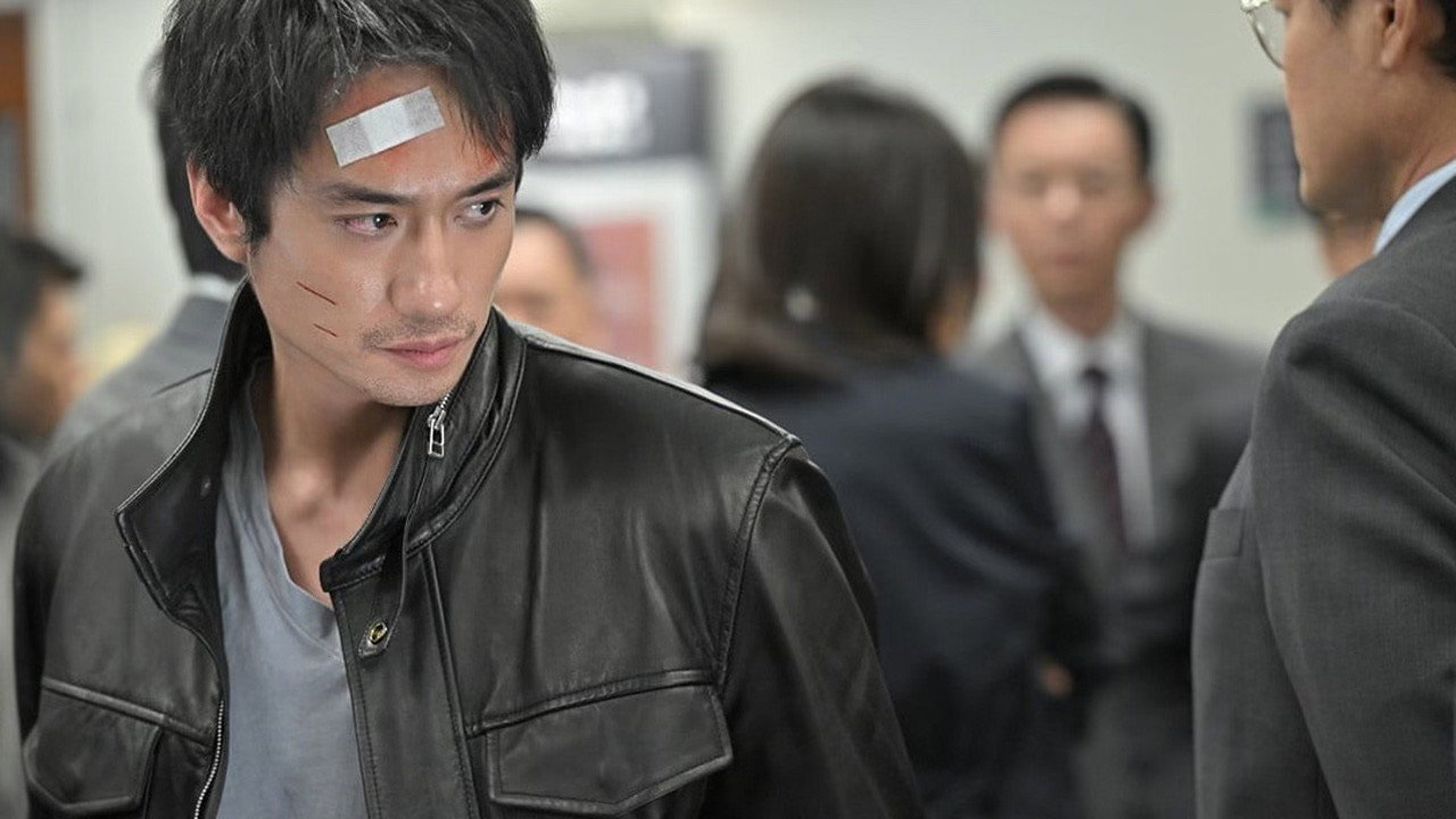
Really, 1994 is a “who’s who” of Hong Kong’s past that should probably explain to you why it has wound up being successful overseas. It’s certainly a trip seeing most of the old players returning to a movie that looks and feels like a classic 90s HK crime drama, but when there isn’t much of a story attached to it, seeing famous faces will only carry you so far. I’ve always had a problem with ensemble films being lacking in depth, but I never would have thought that Hong Kong would be looking backward so hard to draw audiences.
I can’t claim there isn’t anything here beyond the veneer of its cast. A couple of action scenes crop up which call back to classics like Crime Story, The Mission, and Police Story. I’m not sure if the CG is good enough to sell the crashes and explosions, but it’s fun seeing a dude lose control of his motorcycle and then get run over by a random semi. A brawl atop two moving trucks as the combatants fight for control of the steering wheel is fun. I even really liked the shootout in the restaurant when M.B. Lee first encounters Jodie Yuen (Louise Wong), which is clearly inspired by Johnnie To’s work.
Truly, it’s the plotting that sinks most of the film. There isn’t much in the way of character development, save for Sir William Poon (Tse Kwan-ho) trying to teach his son, Simon (Wu Kang-ren), that he’ll never be good enough to take over the family fortune. I guess this family rift is integral to Lee becoming corrupt at some point, but because William and Simon rarely interact, not to mention Lee is off trying to clear his name from some police cover up that blames him for the death of an officer during a shootout, it falls flat. Oh, and Lee helped cover up embezzlement, which then feeds directly into the officer getting killed and… I have no idea.
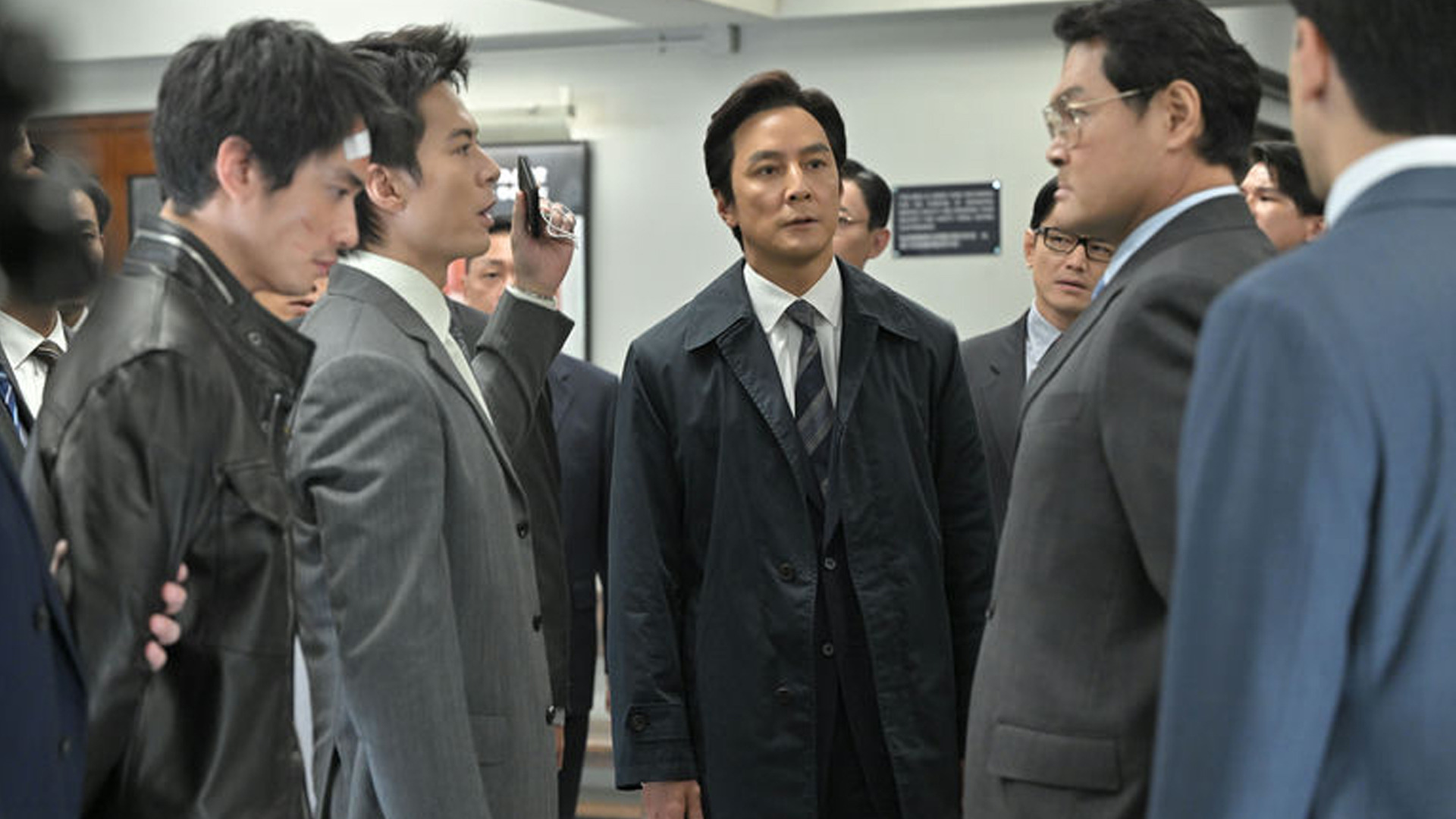
The audience reaction in Hong Kong was generally positive, but you can read a ton of posts on Letterboxd where people say, “Who even comes for the plot?” As much as it pains me to admit it, a lot of classic Hong Kong films were pure entertainment above anything else. It was a happy accident when older films contained any kind of political messaging, and while the New Wave in the 80s helped propel HK cinema by giving it more depth, the industry was dominated with extremely commercial films for some time. Cold War 1994 is a throwback to that: a pure popcorn movie where you marvel at all the old actors you used to love, shout at the thrilling action, and then gasp when one guy backstabs another for a vague reason to advance the plot. This isn’t deep stuff.
A review from the South China Morning Post even notes how, by winding the clock back three decades, Cold War 1994 is able to frame the British Empire as the bad guys rather than focus on China. If I had to hazard a guess, this was a move made to placate the Chinese censors. If you have any familiarity with late 80s and early 90s HK films, you’ll know that one of the biggest fears was of Hong Kong losing its identity once the handover was completed. In movies such as On the Run or Made in Hong Kong, filmmakers were essentially painting the looming Chinese takeover as the end of civilization.
Many believed that being under Chinese control was a fate worse than death. Cold War 1994, on the other hand, paints the British Empire as the true villains who sold Hong Kong to the highest bidder, then manipulated key individuals into being patsies for the Queen. That’s definitely an interesting wrinkle in the plot, but it’s certainly a revisionist take on things. At the same time, pinning some of Hong Kong’s current situation on corrupt individuals rather than forces beyond the average citizen’s control kind of absolves China of things. For that matter, China never even factors into Cold War 1994, with not a single politician or influential Chinese figure factoring into any developments.
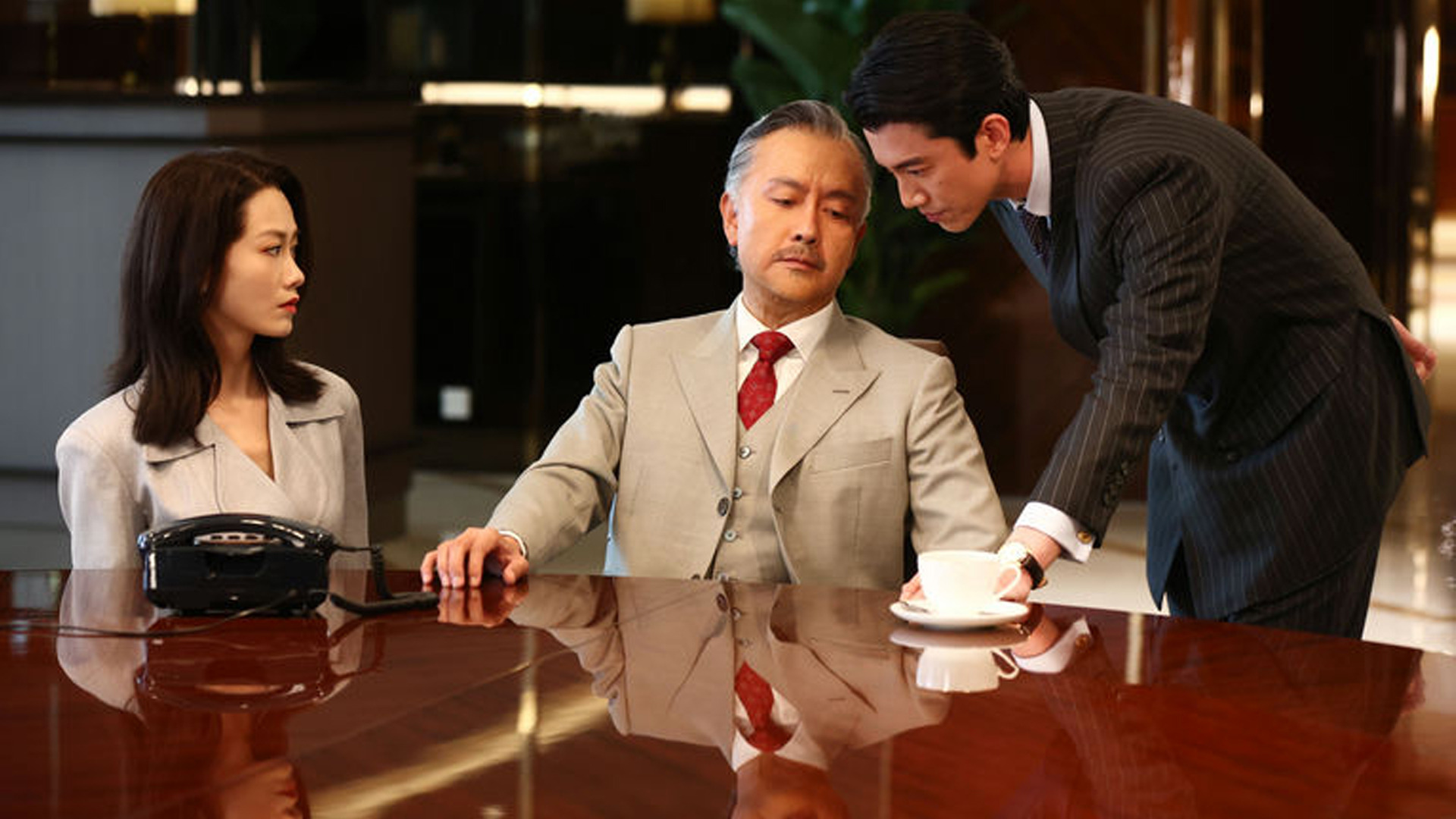
With all of that said, you’d think I hated Cold War 1994, but that’s not the case. I will not call it a return to form for the Hong Kong film industry, but it’s never boring. Despite being two hours long, it moves at a brisk pace, and the dose of nostalgia from its cast is at least charming. I think the idea for this film is also fine, similar enough to Infernal Affairs 2’s own prequel story with how it takes place in the present and past.
In an interview with Screen Daily, producer Bill Kong said, “While sequels move the story forward, this prequel goes deeper. We are returning to the very source of the Cold War universe, revealing how the power reshuffle in 1994 planted the seeds for everything that followed.” Yeah, I can see that. Despite how ridiculous it is to show the trailer for the sequel in the end credits, it’s possible that Cold War 1995 actually is the exciting hit this movie could have been.
For now, I think I’ll give Cold War 1994 a pass. I wouldn’t recommend rushing out to see it, but the movie can be reasonably entertaining at times. It’s not devoid of depth, either, but it would have been a lot better if characters spoke like actual people instead of merely dumping exposition at every turn.
0 Comments Add a Comment?