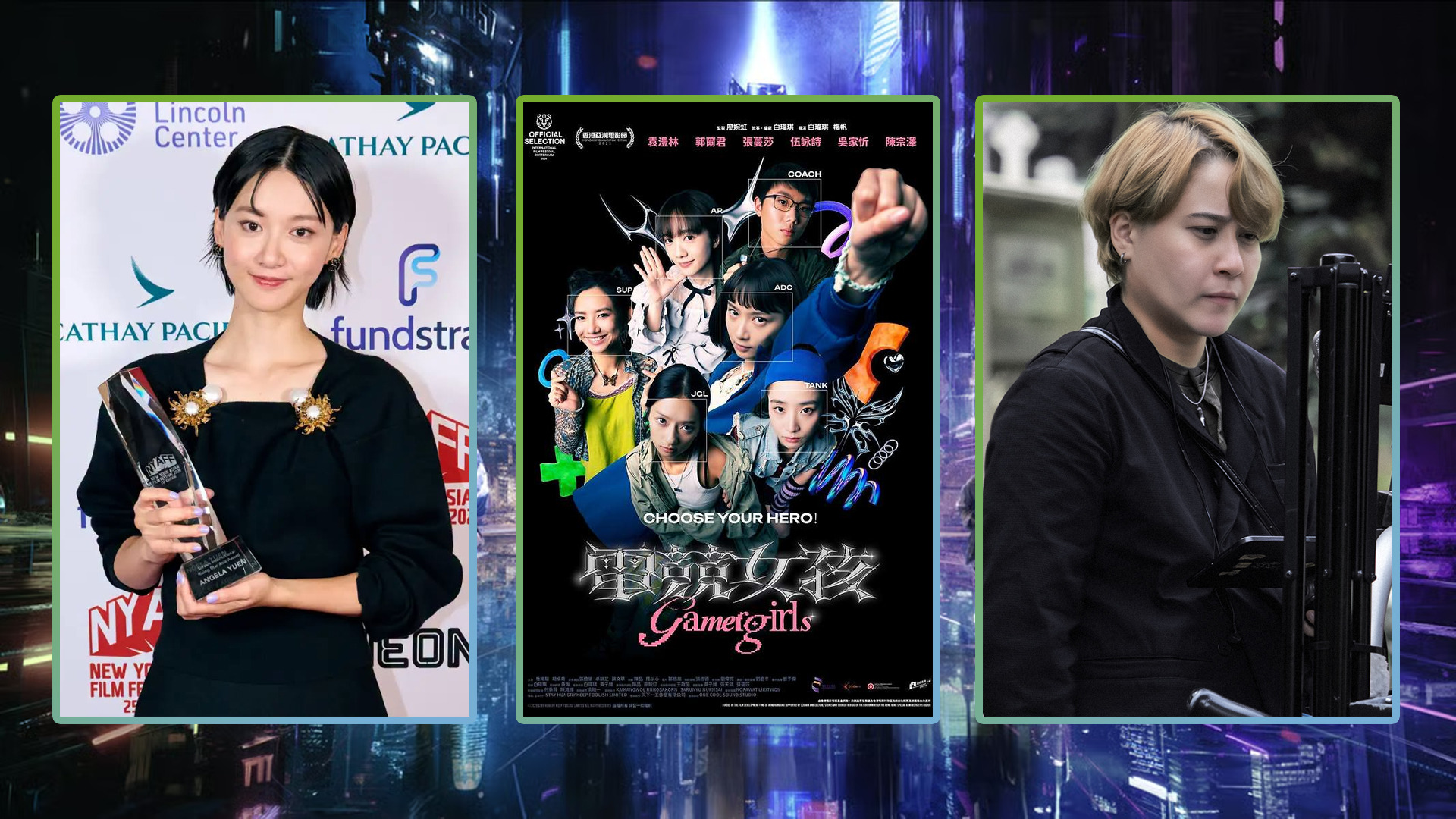
In what I hope becomes a tradition with each subsequent New York Asian Film Festival, I had a chance to sit down with rising star Angela Yuen this year to discuss her role in the film Gamer Girls. Alongside her was co-director Veronica Bassetto, who designed the in-universe video game, Dystopian Glory, which serves as the major battleground for most of the film’s story developments. While our time had to be cut a little short due to some inclement weather on the day this interview took place, I was able to get confirmation of the film’s budget as well as learn how involved Angela was with the action choreography.
To kick things off, I wanted to know if Angela had any knowledge of video game culture before taking the role in this film. “I’m an amateur gamer, I would say. I’m not professional,” she told me. “I was not really a huge fan of gaming, but of course, I had interest in it as well as in making a film about it.”
Veronica is really where the inspiration came from. “I used to play games with my brother all the time when I was young,” she said. “It was really cool in the sense that I like the feeling of being somebody in a virtual world. I think that’s why I brought that idea to the film where the girls become their own heroes in the game.” Nowadays, however, Veronica has traded her old passion for gaming for a dedication to film. As she says, “It’s another kind of nerdy thing.”
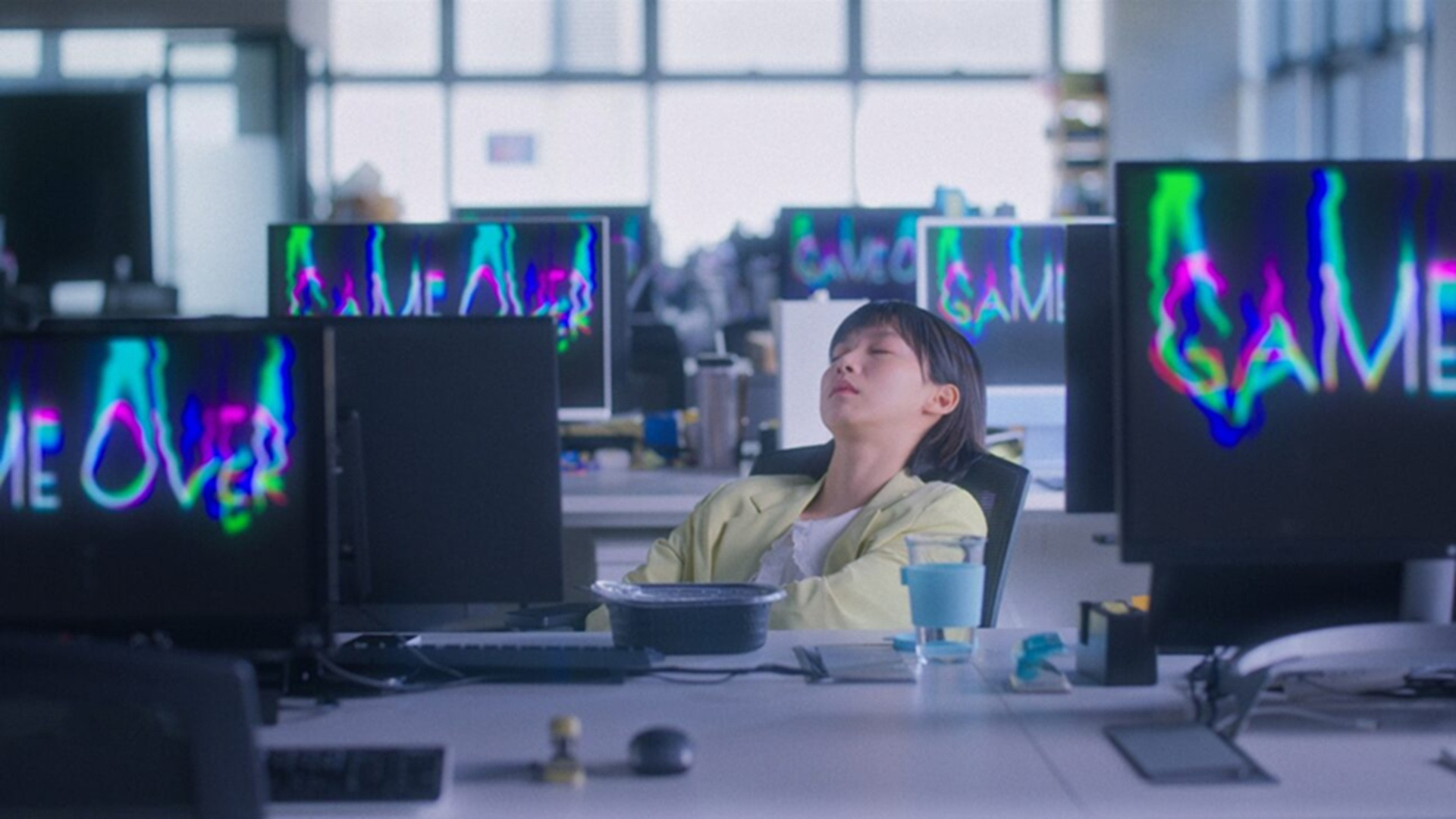
I explained to both of them that my background in writing comes primarily from video game journalism, of which I’ve done for nearly 10 years now. Angela was very impressed, although I’m sure she would have cried for me if I told her how little it pays. That background, though, is what drew me to Gamer Girls and even helped me see a parallel that most audiences might overlook. The character of Login, played by Cy Chan, is something of an analog for Blitzchung.
Blitzchung was once a champion at Hearthstone, a competitive TCG from Blizzard. After winning a grandmaster tournament in 2019, Blitzchung would use his after-tournament interview time to state, “Liberate Hong Kong, revolution of our time.” He was promptly banned from competition by Blizzard and stripped of his winnings. While some of that would be reversed due to public outcry, Blitzchung would eventually retire in 2021 and practically disappear from the scene.
Since I had Veronica there, I figured I would ask her if those parallels were intentional or not. “By the time I was writing the film is right when it [the incident] happened.” She then had to stop herself a bit since the sociopolitical environment of Hong Kong is tricky at present. With the Chinese government encroaching ever more on the freedoms of Hong Kongers, it’s understandable why she couldn’t confirm or deny my reading of the character.
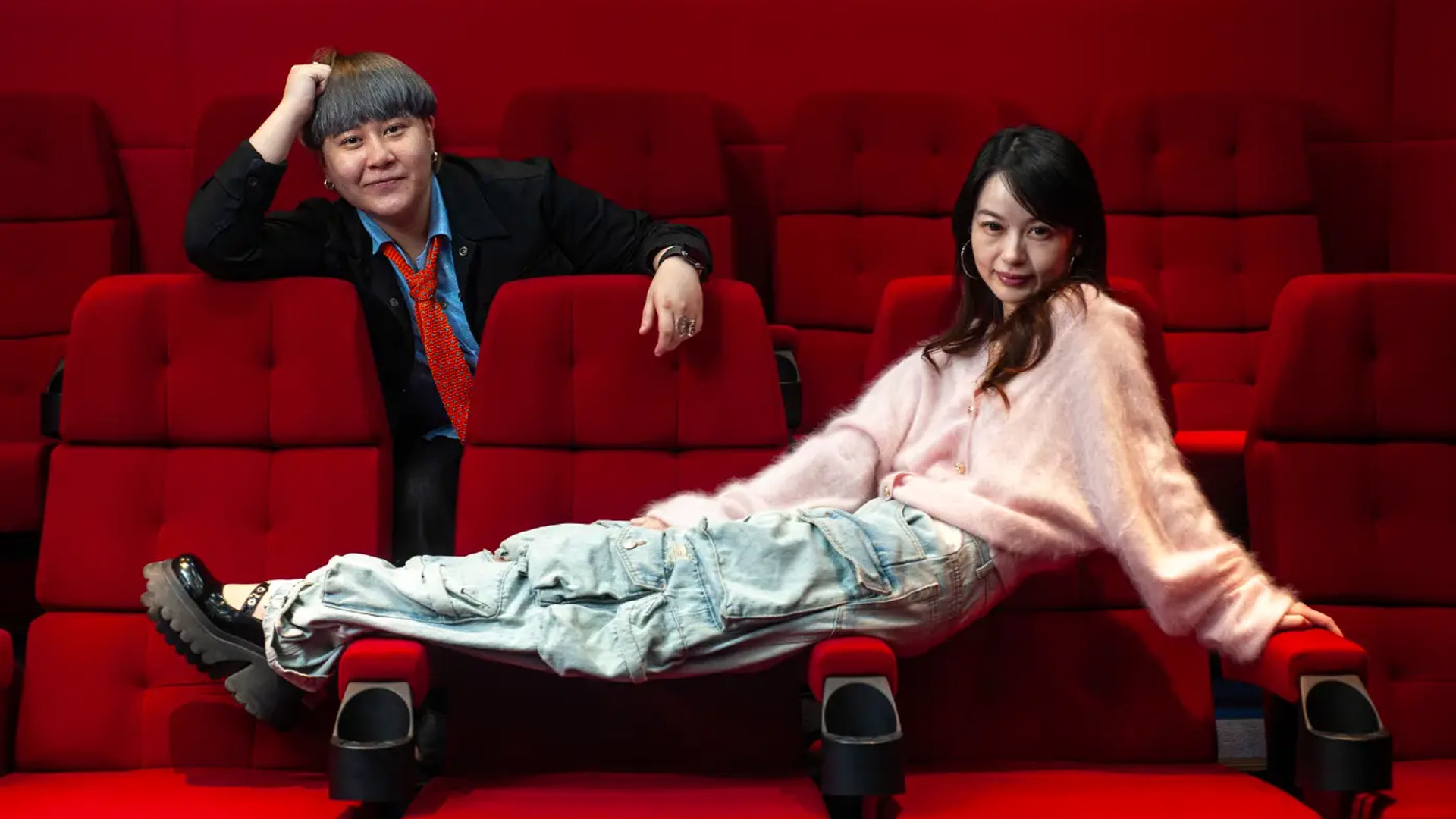
Acknowledging this, she shook her head and took the question in another direction. “On the easier side of this, I think sometimes in esports, we have people saying that it is a sport. At the same time, when somebody is banned from the Olympics, such as from swimming, they can still swim in the sea, right? For gaming, when you’re banned from your account, it’s like you can’t actually be who you are in that scene anymore.” To her, the idea was more about exploring the identities we create online which then get stripped from us, almost like we’ve been lost to the void. That’s an angle I never really considered despite being online for the majority of my life.
I was then curious how Angela and Veronica’s perspectives on esports changed over the course of working on Gamer Girls. Clearly, Veronica was familiar with the scene before penning this script, whereas Angela was plugged into a lifestyle she mostly didn’t know existed. Time hasn’t been kind to players in Hong Kong, though.
“When I started this project in 2018, there was a really vibrant esports scene in Hong Kong,” Veronica said. “I found it interesting because it suddenly exploded, and all of these teams formed. A lot of girls’ teams formed, too, and there was a ton of competition. Hong Kong was one of the cities with the largest number of girls teams, too, which made me wonder why other cities weren’t like that.”
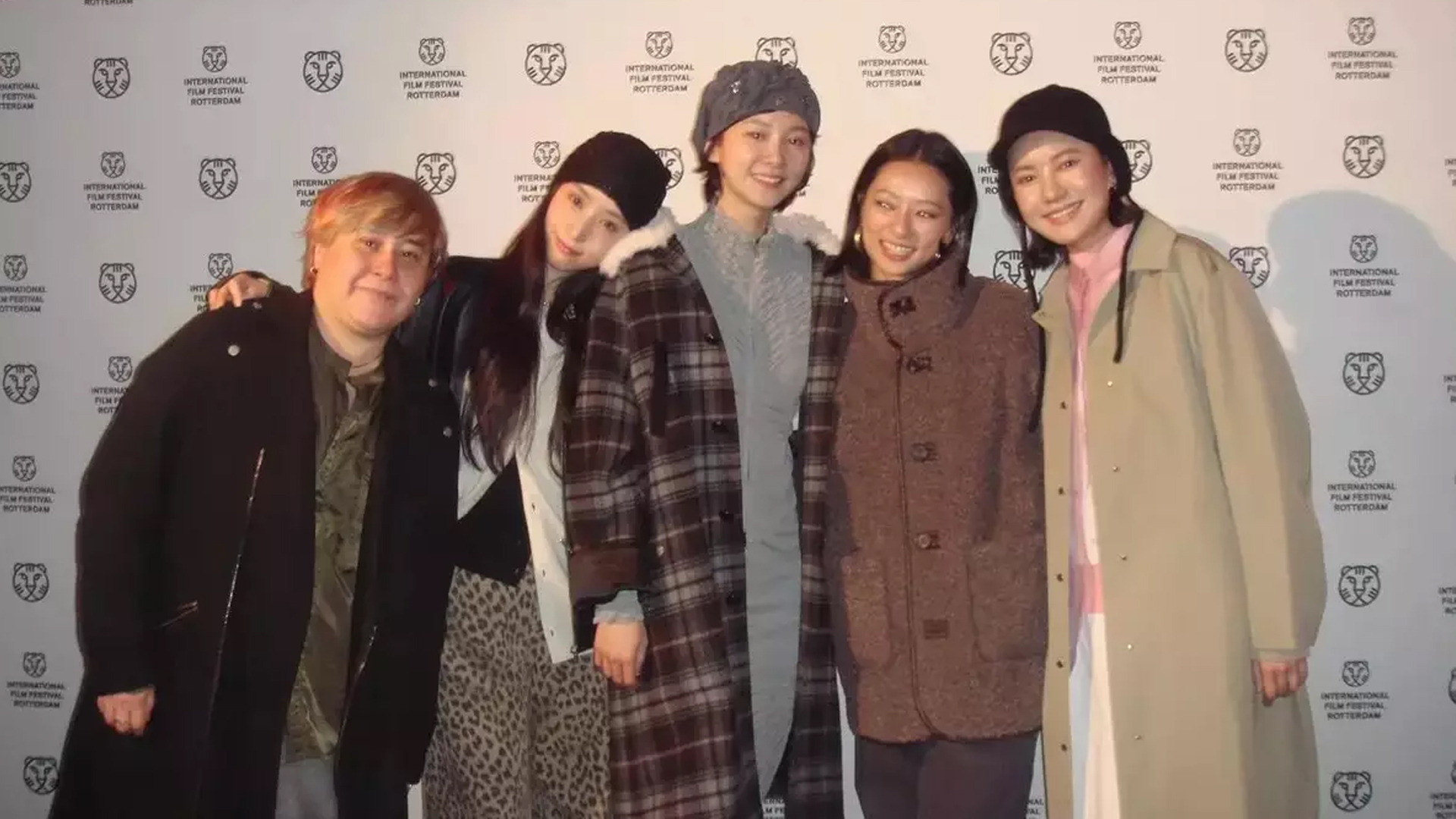
She continued, “The government gave huge funding to esports companies to establish their business, but then were trying to take back the income return in the quickest way possible. In essence, the girls’ teams became presenters for products more than actual pro teams.” That comes up as a plot point in Gamer Girls, too, where the main character (played by Angela Yuen) makes deals behind her team’s back with a marketing executive.
The story gets worse. As Veronica explains, “Because of the pandemic, not to mention everything that happened in Hong Kong (i.e. the protests), these teams disbanded like how it happened in the film. It has never gotten back to being as vibrant as it once was, which is really disappointing. We had the resources to do it, but now two things hold us back. One is that we don’t have gaming companies in Hong Kong. The other is that we depend on Chinese or Taiwanese servers.” I hadn’t considered that aspect.
Part of that is why esports has mostly died off in Hong Kong. Veronica continues, “It’s difficult to build our own team. Good esports players have to go to other countries for the Pro leagues. It has resulted in a very… silent scene. Very, very dead scene in Hong Kong.” Truly a shame, especially with how big esports has grown in the United States and Japan.
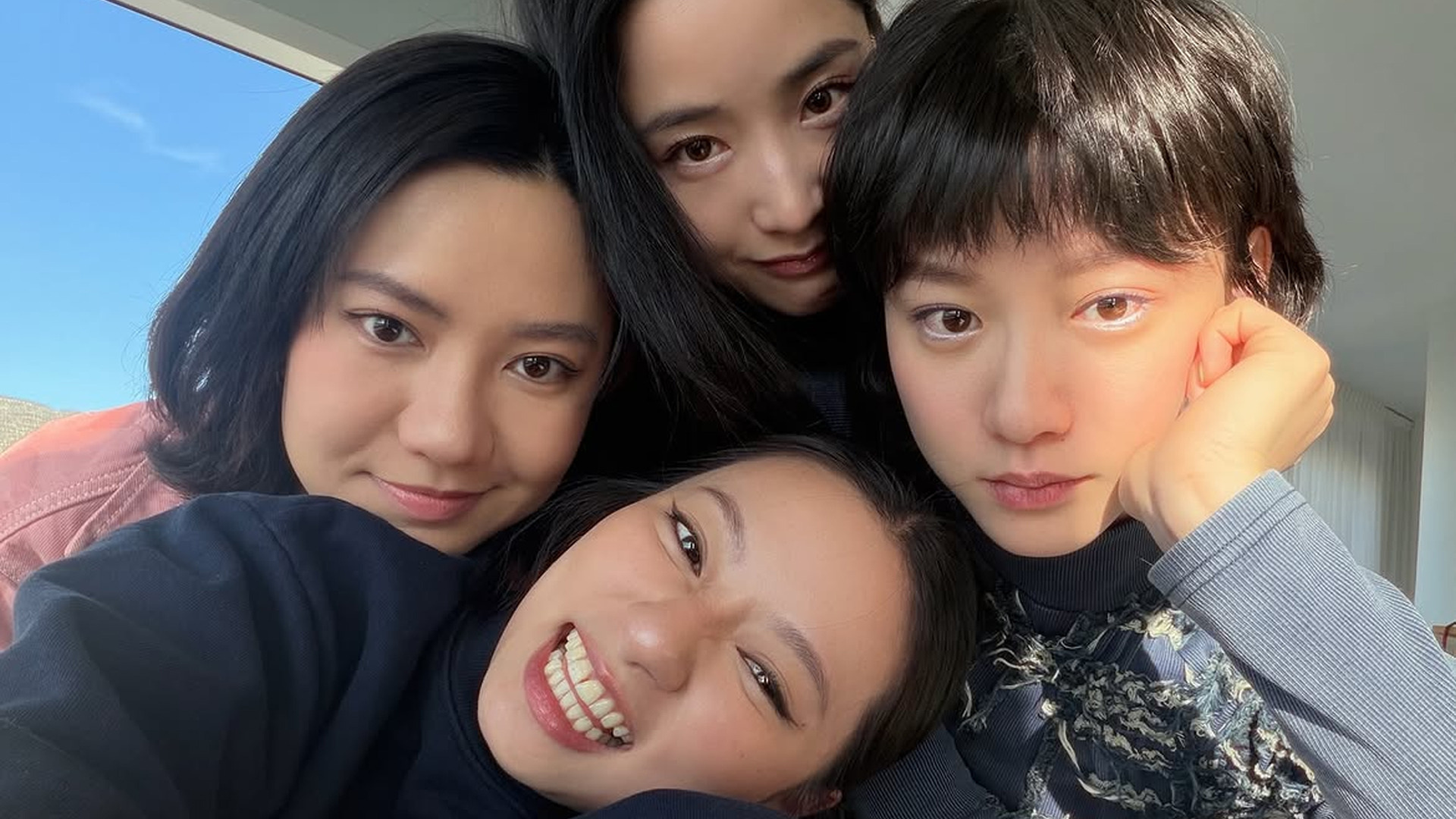
After getting such great insight, I wanted to shift away from discussion of the environment surrounding Hong Kong’s esports scene, or lack thereof. Since the US side of the internet couldn’t care less about information regarding foreign films, I couldn’t find a verifiable source that Gamer Girls was made on a budget of HK$5 million. With Veronica present, I figured I would simply ask her. I had told her that I heard it was less than $1 million USD, to which she said, “It was around $637,000.”
Elaborating further, she explained, “[The budget] is wild for the Hong Kong industry. Somehow, we did Gamer Girls with such limited funding.” Referring to some other recent esports related films, she said, “We had other films more or less the same time with us, and they did it with many times more of a budget.” From what I can find, 2025’s Good Game had a similar budget of around HK$4.8 million, though that was solely from the Hong Kong Film Development Council. It seemingly acquired more funding as it entered development.
Wishing to pick Angela’s brain a bit more, I asked her how involved she was with the stunt choreography in the film. While she wasn’t sure on a percentage, she confirmed that she did do a good bit of wire work. “I did my own wire shots. I had to pretend like I’m flying and doing moves like shooting people with my gun. I was flipping and running around and jumping from cliffs. I think I did my own stunts, but those were rather mild actions compared to action films.”
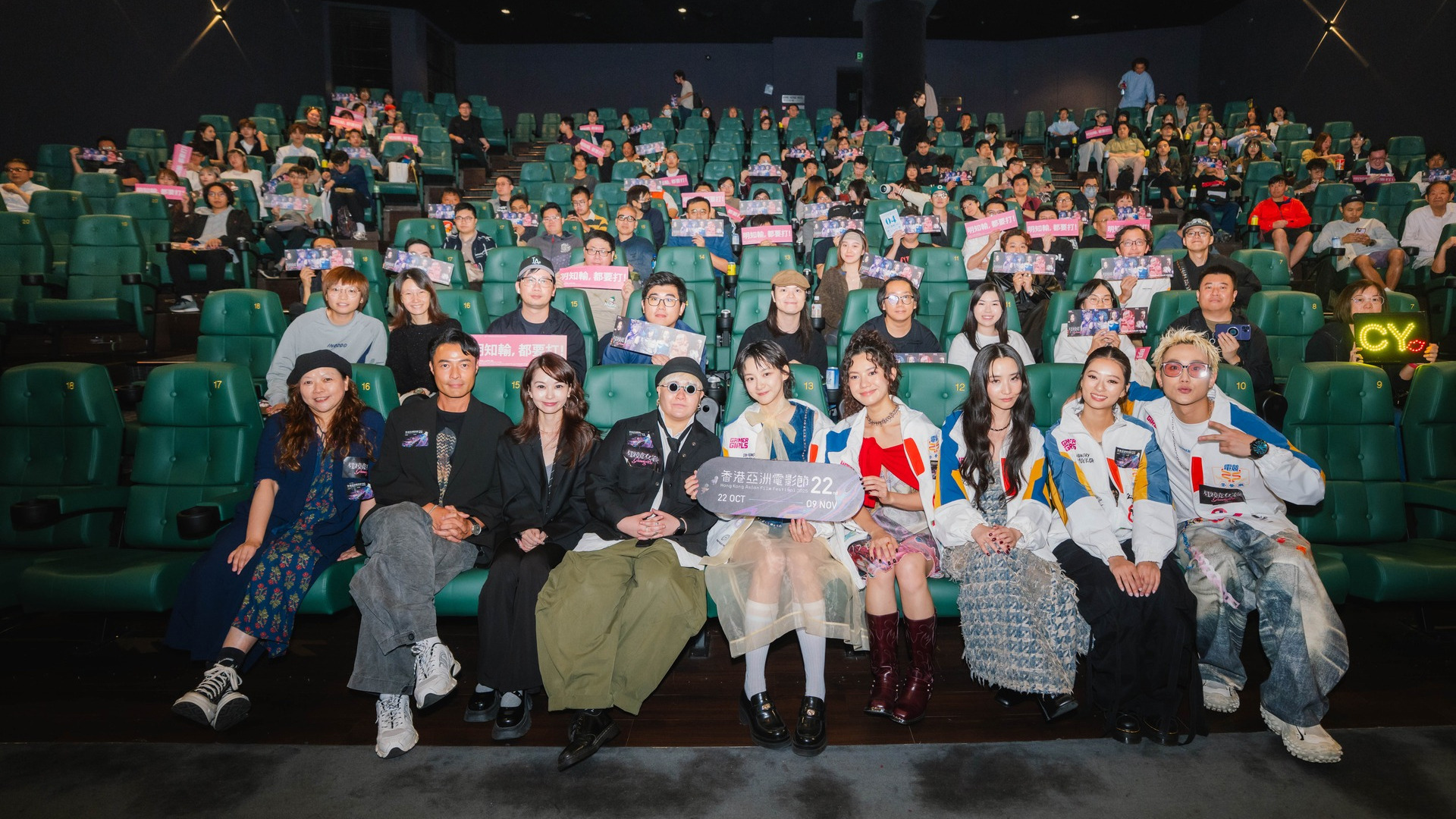
She expressed how fun it was to maneuver in action scenes, which naturally led me to asking if she’d like to do more action movies. “I could. Nobody actually knew that I am athletic, and I can do action, so I depend on you. I depend on your interview.” Of course, I had to bring up Baby Assassins to her, which may send her down a rabbit hole of discovering incredible modern action films. If any casting directors are reading this, please put Angela Yuen in an action movie.
With our time running short, I decided to focus my last few questions on Angela’s career, specifically. In 2022 and 2023, she was nominated for a Best Actress award for her work in The Narrow Road at the 59th Golden Horse Awards and 41st Hong Kong Film Awards respectively. That’s a big honor, so I was curious what her reaction to that was. Being that she was still relatively new to the scene, it came as a shock to her.
“I was startled and surprised back then. I wasn’t doing as many films as I am today, and I didn’t even know the procedure for putting films into festivals. I didn’t even know we had applied for the Golden Horse.” She mentions how she was really innocent to the idea and didn’t even discuss it with her team beforehand.
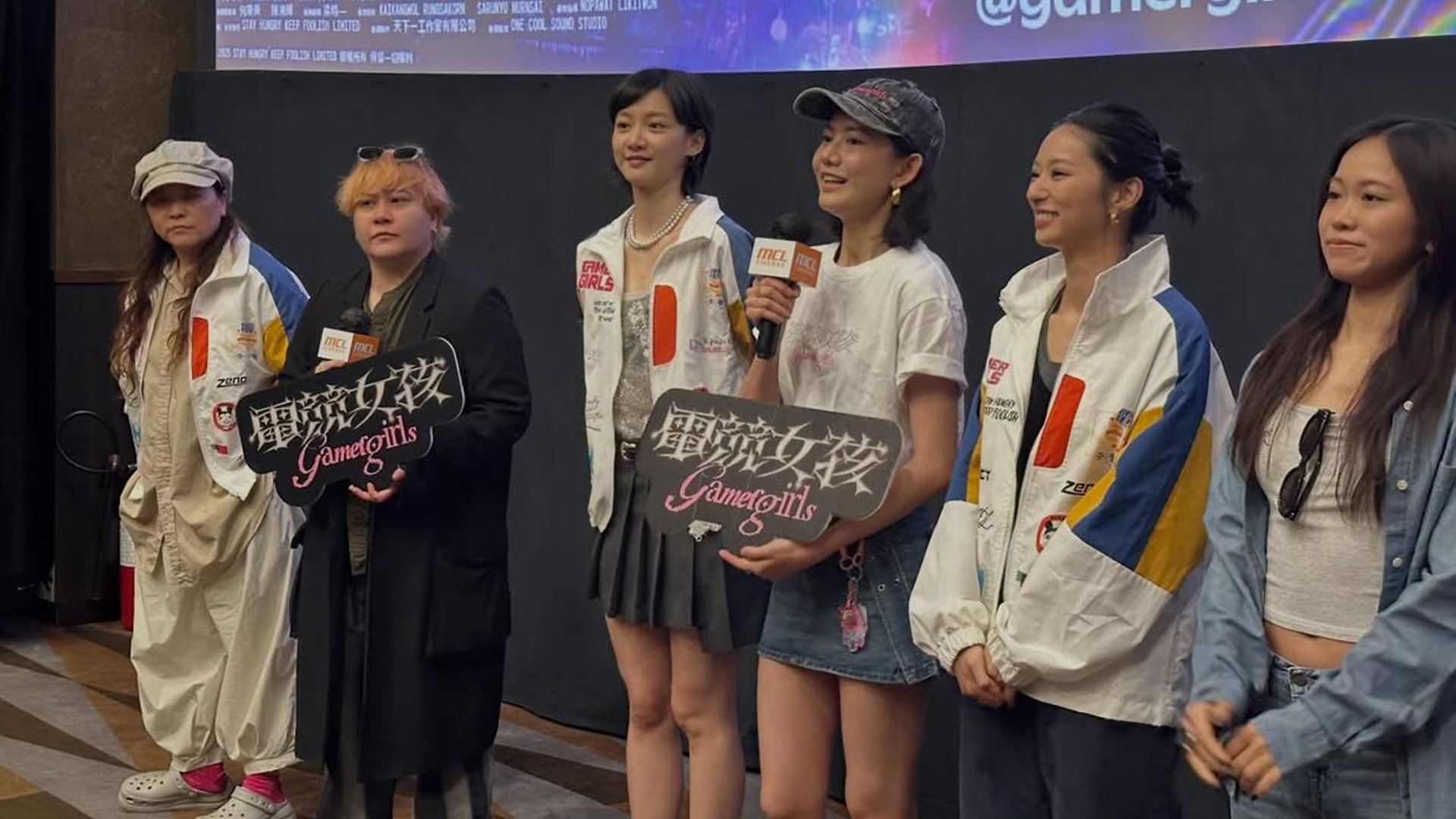
After taking a plane trip, she got a call from her agent once departing and it stunned her. “I was traveling and once I got off the plane, I got the call. I was very surprised. I didn’t know, and it was Best Actress. It’s big. It’s huge. I was really happy, and I think it changed the trajectory of my career very much.” She claims that because of the nomination, she is now able to be more selective with her roles and go for projects that resonate more personally with her. She’s even able to do films in Taiwan now, expanding her horizons beyond the Hong Kong industry.
To cap things off, I posited the question I usually ask actors: who would you like to work with if given the chance? “We’re in New York, so of course we say the big names. Greta Gerwig, Margot Robbie, Jennifer Lawrence, Zendaya.” Those pairings would be very interesting, especially Jennifer Lawrence. Both she and Angela have a down-to-Earth vibe that makes them very relatable. It also translates to a lot of their on-screen performances, making their films feel approachable to everyone. Maybe if Greta Gerwig somehow reads this, she can reach over the pond and nab Angela for a new project. Throw in Hedwig Tam, too, since I’m in love with her.
With our time over, I thanked both Angela and Veronica for speaking with me and wished them the best. My review for Gamer Girls wasn’t the most positive thing on the internet, but I do think the movie represents an astonishing feat with regard to budget and creative vision. I hope the duo continue to flourish in the Hong Kong film industry, which can be deadly to those unprepared. I’ll certainly be looking out for what comes next from both.
0 Comments Add a Comment?